
Choose by blade type
Provide drawings, specifications, materials, tolerances, quantities, and any special instructions.
We review your information, prepare clarifying questions if needed, and discuss project details in a call if necessary.
We will analyze your information and provide a detailed quote for your consideration including timeline and other information important to you
We manufacture your parts under strict quality standards and deliver them securely to your location.
Davion Manufacturing is your trusted partner for precision manufacturing solutions. We offer instant quoting, free design consulting, and an extensive range of material and surface finish options.
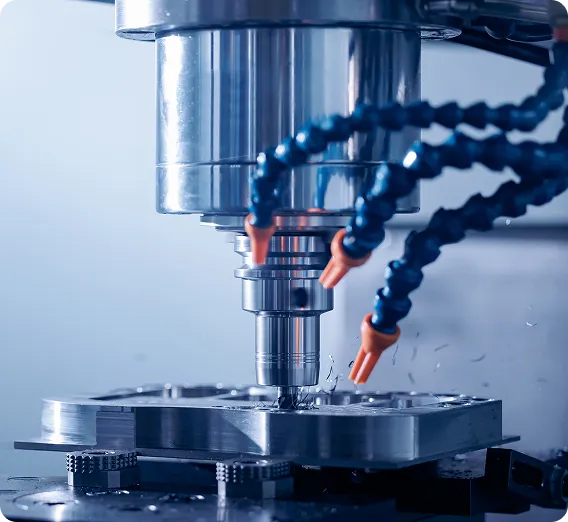
Choose by application
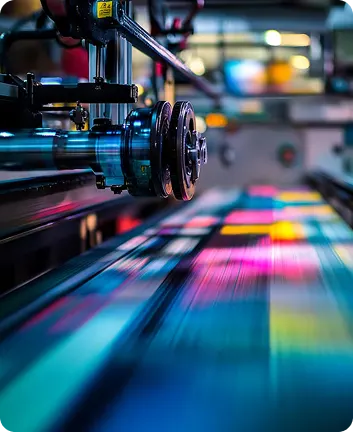

slitting, perforation, cut-off, trim, doctoring

Broad wear/toughness tuning for most industrial knives.
Corrosion aware selection for humid/washdown exposure.
Extreme-wear options where abrasion dominates.
Specialized use cases
Wear, friction, and pickup strategies.
Hardness targets aligned to wear vs chipping risk.

Validate fit and cut quality before scaling.
Controlled revisions so reorders match the last approved run.
[LEAD TIME] (depends on material, heat treat, and inspection scope).
Minimum order constraints
What it is: Matched knife pairs used to slit webs or strip with controlled engagement.
When used: When edge quality and lane-to-lane consistency matter.
What it is: Matched knife pairs used to slit webs or strip with controlled engagement.
When used: When burr/rollover control and straightness drive quality.
What it is: Matched knife pairs used to slit webs or strip with controlled engagement.
When used: High-speed lines where stopping is not feasible.
What it is: Matched knife pairs used to slit webs or strip with controlled engagement.
When used: Web lines where trim behavior impacts tension and roll quality.
What it is: Rotary tooth-pattern tools creating controlled tear features.
When used: Packaging formats needing predictable opening performance.
What it is: Fine-pitch perforation designed for subtle tear control or functional patterns.
When used: Thin films and specialty webs where appearance and control matter.
What it is: Tooth edges designed to increase bite and reduce slip at cut initiation.
When used: Soft, slippery, or fibrous materials prone to skidding.
What it is: Thin blades used to meter coatings or wipe rolls clean.
When used: Coating/laminating/printing operations sensitive to streaking and chatter.
What it is: Blades used to remove buildup from surfaces or guides.
When used: When residue impacts product quality or station reliability.
What it is: Punch tooling that creates holes, slots, notches, or windows against a mating die.
When used: Web or sheet operations requiring consistent cutouts and controlled burr.
What it is: Knife sets that shear material in size-reduction systems.
When used: Recycling and regrind operations where fines and throughput must be controlled.
What it is: Heavy-duty knives/cutters designed around high torque and mixed streams.
When used: Where contamination and shock loading drive chipping and cracking risk.
What it is: Surface/edge strategies aimed at reducing sticking and drag.
When used: Adhesive-backed webs, tacky films, and residue-forming materials.
What it is: Stainless selections for humid, wet, or cleaning-intensive environments.
When used: Washdown-adjacent operations where pitting degrades edges and wipe quality.
What it is: Material strategies biased toward abrasion resistance (including carbide where justified).
When used: Filled polymers, coated webs, and abrasive contamination streams.
What it is: Knife replication when drawings aren’t available (sample-based matching).
When used: Legacy equipment, obsolete OEM parts, or incomplete documentation.
What it is: Matched knife pairs used to slit webs or strip with controlled engagement.
When used: When edge quality and lane-to-lane consistency matter.
What it is: Straight blades used as a set in guillotine and cut-to-length stations.
When used: When burr/rollover control and straightness drive quality.
What it is: Circular knives that cut-to-length in continuous motion.
When used: High-speed lines where stopping is not feasible.
What it is: Blades used to remove trim and stabilize downstream winding/handling.
When used: Web lines where trim behavior impacts tension and roll quality.
We select material based on failure mode and environment wear vs chipping vs corrosion then align hardness and edge prep to the cutting mechanics.