
Specify the geometry, material, hardness, and edge—get blades engineered for cut quality, wear life, and repeatable fit.
Custom blades (also called custom machine knives) are made-to-print cutting components engineered for a specific machine, material, and cutting method. The right blade design balances edge geometry, wear resistance, toughness, corrosion protection, and dimensional stability—so you get consistent cut quality without unplanned downtime.
Whether you’re replacing an OEM blade or designing a new cutting station, Davion supports both manufacture-to-drawing and build-to-sample workflows with application-driven guidance on materials, heat treatment, and coatings.
Looking for a specific geometry? Explore product families: Straight Blades, Circular Blades, Slitter Blades, Perforating & Serrated, Scraper / Doctor Blades, and Specialty Blades.
What it is: Punch tooling designed for circular holes or round cutouts, typically used against a matched die or anvil.
When used: Vent holes, hang holes, and repeated round features where consistent cut quality and burr direction control are required.
What it is: Punch tooling for rectangular windows or slots with defined corner radii and controlled edge geometry.
When used: Carton windows, handle features, and cutouts where tight profile requirements and clean corners matter.
What it is: Punch knives designed to remove a notch from an edge or corner.
When used: Packaging, web converting, and sheet parts where registration features or tear initiators are needed.
What it is: Punch tooling that creates elongated holes/slots with defined radii and length.
When used: Hang holes, fastener slots, ventilation openings, and alignment features.
What it is: Punch blades that remove internal “windows” or larger cutouts.
When used: Cartons, labels, and packaging formats with viewing or access openings.
What it is: Punch blades designed for ergonomic cutouts in thicker paperboard or sheet products.
When used: Retail packaging and carry-handle formats needing clean edges and consistent shape.
What it is: Punch tools that create repeated small holes or patterns.
When used: Breathable packaging, vented cartons, and functional perforation-like hole arrays.
What it is: Punch blades used in timed stations on a moving web.
When used: When cutouts must occur at specific pitch intervals or align to printed graphics.
What it is: Rotary tooling that produces repeating cutouts while rotating.
When used: High-speed converting lines requiring continuous motion and repeat patterns.
What it is: Punching/cutting designed to cut one layer without fully cutting through the backing.
When used: Label stock and laminated webs where controlled depth matters.
What it is: Punch blades that define an external shape and separate parts from sheet/web.
When used: Die-cut-like operations where part outline accuracy is critical.
What it is: Punch blades used to chop edge trim or scrap into manageable pieces.
When used: Web processes where scrap handling and conveying require size reduction.
What it is: Material selections biased toward wear resistance under abrasive fillers/coatings.
When used: Filled polymers, coated papers, or contamination-prone streams.
What it is: Tooling tuned toward toughness to resist chipping under shock.
When used: Recycling-adjacent punching, inconsistent feed, or harder inclusions.
What it is: Corrosion-resistant tooling for humid or washdown conditions.
When used: Food-adjacent packaging operations and wet environments.
What it is: Corrosion-resistant tooling for humid or washdown conditions.
When used: Food-adjacent packaging operations and wet environments.
What it is: Surface strategies to reduce pickup and galling between punch and die.
When used: Sticky materials or applications where friction and heat drive premature wear.
What it is: Replaceable edge inserts in a tool body to reduce downtime and maintenance cost.
When used: High-run tools where edge wear is localized and insert replacement is efficient.
What it is: Punch knives with dowel/locating features for repeatable alignment.
When used: When registration accuracy and fast changeovers are required.
What it is: Punch blades specified with attention to mating die geometry and intended clearance.
When used: When burr direction, edge quality, and tool life depend on controlled clearance.
What it is: Knife replication when drawings aren’t available (sample-based matching).
When used: Legacy equipment, obsolete OEM parts, or incomplete documentation.
Blade performance starts with selecting the right material and thermal/coating stack for your cut method and product.
strong wear/toughness options for many general industrial cuts. → See Materials: Carbon & Tool Steels
corrosion resistance for washdown or humid environments. → See Materials: Stainless Steels
extreme wear resistance for highly abrasive applications. → See Materials: Carbide
specialized wear/chemical needs in select conditions. → See Materials: Ceramic (on request)
improve wear life, reduce pickup, and manage friction (application dependent). → See Coatings & Surface Treatments
tuned for edge holding vs. chipping resistance. → See Heat Treatment & Hardness
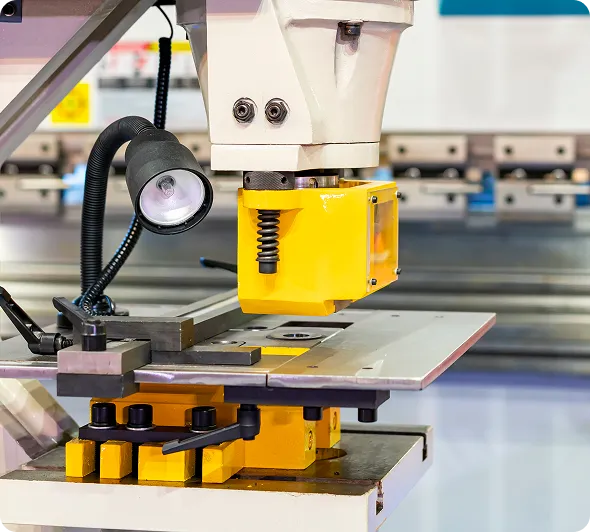
Custom blades are only as good as their repeatability. We support inspection and documentation levels appropriate to industrial production:Punch blades are sensitive to geometry, edge condition, and alignment features—small deviations can show up as burr, hole distortion, or die wear.
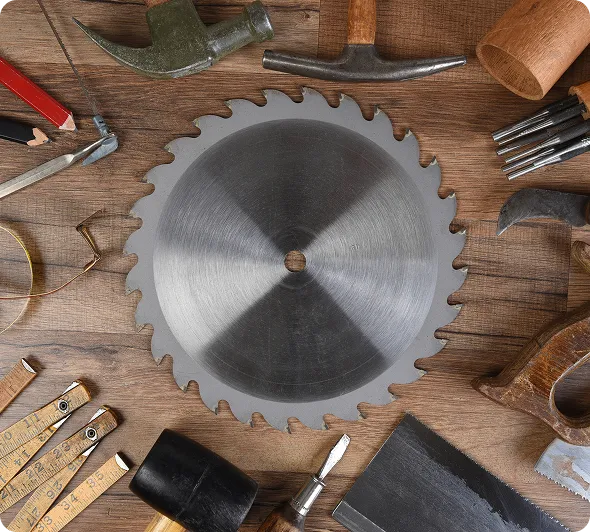
Custom blades are frequently specified in:
slitting, perforating, score/cut, trim
rotary shear, doctoring, trim, cut-to-length
slicing, portioning, packaging web cut, washdown blades
pelletizing support cuts, trimming, granulation, slit/rewind
shredder and granulator knife sets, wear-focused designs
controlled edge and surface requirements (application-defined)
Provide what you have—minimum is fine. We can work from partial data.
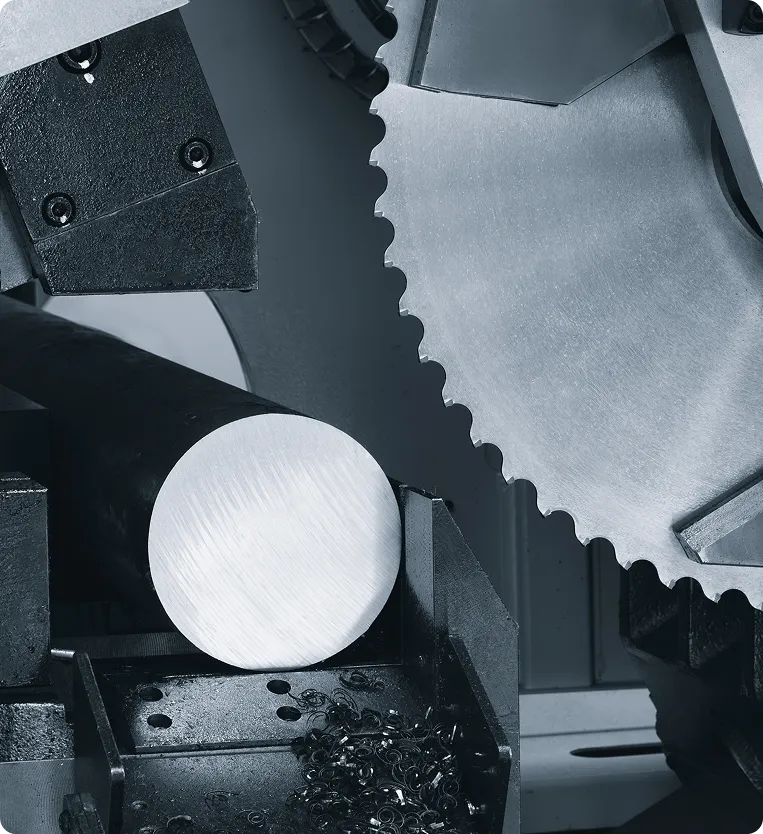
supported for fit and cut validation before scaling.
controlled revision handling to maintain geometry and performance intent.
[LEAD TIME] (depends on material, heat treat, coating, and inspection scope).
[MOQ] (many designs can start small; production pricing improves with volume).
If you need matched sets, replacement programs, or stocking recommendations, include that in your RFQ and we’ll propose an approach.
Send a drawing or sample and we’ll respond with manufacturability feedback and a clear quote scope.
Yes. If you can ship a sample, we can evaluate geometry, mounting interfaces, and functional edges to define a made-to-match specification for quoting.