
Formed, profiled, multi-edge, and feature-rich blades manufactured to your print—with material, heat treat, and inspection options aligned to your duty cycle.
Specialty blades are non-standard industrial machine knives that don’t fit typical categories like straight knives, circular knives, or standard slitter sets. They often include complex profiles, formed geometry, compound bevels, unique mounting interfaces, or multi-function cutting features designed around a specific machine and product.

If your geometry is primarily straight or circular, start at Straight Blades or Circular Blades. For general made-to-print work across all types, see Custom Blades.
What it is: Specialty blades with custom outer profiles, radii, and contours.
When used: When the cut path is non-linear or part geometry demands a shaped cutting edge.
What it is: Blades with formed geometry to fit around machine features or create standoff.
When used: When station design needs offset cutting edges or clearance around fixtures.
What it is: Blades with step features that create multiple cutting levels or contact planes.
When used: Multi-layer materials or stations requiring sequential cut engagement.
What it is: Blades with multiple bevel angles or complex edge geometry.
When used: When cut quality and edge durability require more than a single bevel.
What it is: Blades designed with multiple usable edges for rotation/indexing.
When used: High-wear applications where quick edge changes reduce downtime.
What it is: Blades with curved or hook-like edges for pull-cut or guided cutting.
When used: Materials that benefit from controlled engagement and directional cutting forces.
What it is: Edges with repeating wave/scallop geometry (not necessarily serration).
When used: Application-defined cutting patterns or traction requirements on specific materials.
What it is: Specialty knives combining notch features with primary cut edges.
When used: Packaging and converting stations where a single tool performs multiple functions.
What it is: Blades with pockets/reliefs to reduce mass, manage stiffness, or clear debris.
When used: When cycle dynamics, debris control, or fixture clearance drives the design.
What it is: Surface/coating strategies aimed at reducing buildup on complex edges.
When used: Adhesive films, foams, tacky laminates, and residue-forming materials.
What it is: Specialty knives selected for corrosion exposure and cleaning environments.
When used: Washdown, humid processes, and food-adjacent operations.
What it is: Specialty knives selected for extreme wear resistance where justified.
When used: Abrasive products, filled polymers, or long-run duty cycles.
What it is: Robust knives tuned to resist chipping and cracking under shock loads.
When used: Recycling, trim scrap, or applications with contamination and impact.
What it is: Blades with locating features that control alignment during assembly.
When used: Stations requiring repeatable positioning and fast changeovers.
What it is: Specialty blades designed to shear against a mating blade or edge.
When used: When clearance/overlap is critical and both elements must be controlled.
What it is: Blades designed around automation stations, nests, or guided cutting paths.
When used: Automated cells where repeatability depends on fixturing and datum control.
What it is: Thin knives where flatness and stiffness strategy is critical for function.
When used: Delicate webs, low-force cuts, or tight clearances where distortion causes defects.
What it is: Blades replicated from an existing part with verified dimensions and edges.
When used: Legacy equipment, obsolete OEM tooling, or missing drawings.
Specialty blades require matching material stack to the dominant risk: wear, chipping, corrosion, or sticking.
broad options for wear/toughness balance in complex knives. → Materials: Carbon & Tool Steels
corrosion resistance for wet/humid/washdown environments. → Materials: Stainless Steels
extreme wear resistance for abrasive duty (application dependent). → Materials: Carbide
reduce wear, pickup, and galling (application dependent). → Coatings & Surface Treatments
tuned to maintain edge stability without brittle fracture. → Heat Treatment & Hardness
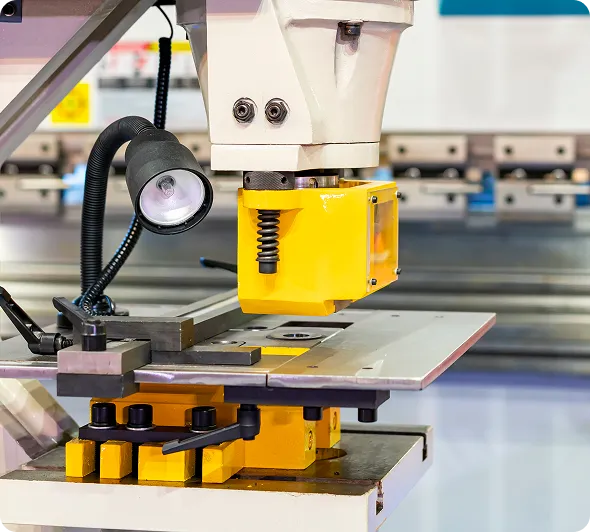
Non-standard geometry increases the need for clear datums and inspection aligned to functional features. Inspection scope can include:
Specialty blades are commonly specified in:
specialty cut features, notches, tear assists, automation stations
custom cutouts, profiles, web station tooling
application-defined knives with washdown and corrosion considerations
trimming, cutouts, formed blades, abrasive-filled polymers
impact-tolerant knives, unique geometries, contamination-handling tooling
controlled, application-defined cutting features
Specialty blades quote fastest when functional intent is clear. Provide what you have:
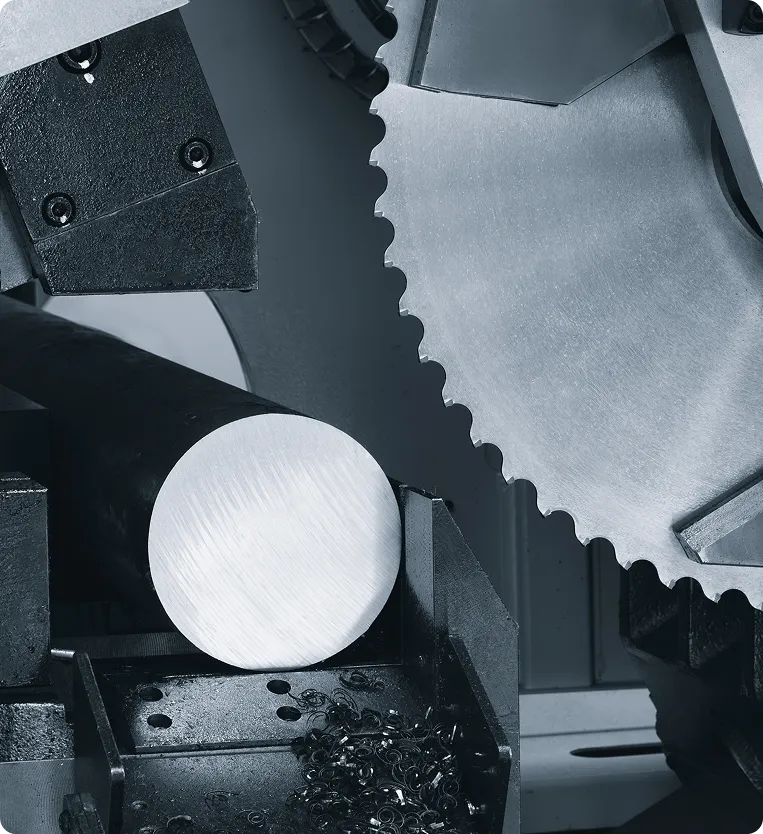
validate fit, cut quality, and durability before scaling.
controlled revisions to maintain geometry and edge intent across runs.
[LEAD TIME] (depends on material, heat treat, finishing, and inspection scope).
[MOQ] (can start small; volume improves pricing and standardization).
Send a drawing or sample and we’ll respond with manufacturability feedback and a defined quote scope aligned to your application.