
Made-to-print straight blades engineered for straightness, edge stability, and repeatable mounting fit across demanding production lines.
Straight blades are linear cutting knives used in guillotine, shear, trim, and cut-to-length systems. Performance depends on more than sharpness: straight knives must maintain straightness/flatness, stable edge geometry, and consistent mounting alignment to control clearance and cut quality over the full length.

For other geometries, see: Custom Blades, Slitter Blades, Perforating & Serrated Blades, and Specialty Blades.
What it is: Straight shear knives used as a matched set in guillotine shears.
When used: Sheet and plate cutting where straightness and clearance control drive burr and rollover.
What it is: Fixed straight blades that form the shear interface with a moving knife.
When used: When consistent clearance along the full length is critical to prevent burrs and tearing.
What it is: Paired knife sets designed to work together as a system.
When used: For repeatable cut quality in high-duty shear applications and reduced setup time.
What it is: Straight knives used to trim edges of film, paper, foil, or laminates.
When used: When you need clean edges and stable tracking on rewinds.
What it is: Straight blades used for cross-cut or cut-to-length stations.
When used: Converting lines requiring repeatable sheet length or intermittent cutting.
What it is: Straight knives used to cut extruded profiles, sheets, or strands to length.
When used: When the line requires repeatable cut length with minimal deformation.
What it is: Straight blades ground with a single primary bevel for directional cutting.
When used: Applications where a controlled curl/deflection of cut material is desired.
What it is: Symmetrical edge geometry for balanced cutting forces.
When used: When lateral forces and edge wandering must be minimized.
What it is: Straight knives with one active cutting edge and a non-cutting back edge reserved for clamping or reference.
When used: When the opposite side must remain a stable datum surface for setup, handling, or repeatable regrinds without changing the station interface.
What it is: Straight knives ground with two usable cutting edges, allowing the blade to be flipped and used on both sides.
When used: When uptime and consumable cost benefit from using both edges, and the mounting/clearance allows edge reversal without changing the setup.
What it is: A reinforced edge prep added to improve edge stability.
When used: When chipping or rapid edge breakdown occurs despite adequate sharpness.
What it is: Straight knives with tooth geometry for increased bite.
When used: Elastomers, tough films, and materials prone to slipping on smooth edges.
What it is: Straight blades with a defined pointed or tapered tip geometry at one or both ends for controlled cut initiation.
When used: When initiating a cut at a specific point, trimming into tight features/channels, or preventing wandering at the start of a cut where a blunt end may snag.
What it is: Straight blades tuned for toughness and edge stability under shock.
When used: Recycling, trim scrap, or inconsistent feed conditions where impact is expected.
What it is: Corrosion-resistant straight knives selected for wet environments.
When used: Food processing and frequent cleaning where corrosion drives dulling and pitting.
What it is: Coating/finish and edge prep combinations to reduce pickup and drag.
When used: Adhesives, tacky films, foams, or heat-sensitive materials that stick to edges.
What it is: blades with elongated holes to allow alignment and thermal growth accommodation.
When used: Machines where fine adjustment is needed during setup or where temperature changes occur.
What it is: Straight knives matching OEM mounting patterns and datum schemes.
When used: Direct replacement scenarios where fit-up must be identical to existing hardware.
What it is: Straight blades designed and finished with attention to flatness/straightness over length.
When used: Wide-format cutters where small deviations create uneven clearance and edge defects.
broad performance range for shear/guillotine/trim. → Materials: Carbon & Tool Steels
corrosion resistance for washdown and humid environments. → Materials: Stainless Steels
for extreme abrasion in certain duty cycles. → Materials: Carbide
can reduce wear, sticking, and galling (application dependent). → Coatings & Surface Treatments
tuned for edge holding vs toughness; critical for chipping control. → Heat Treatment & Hardness
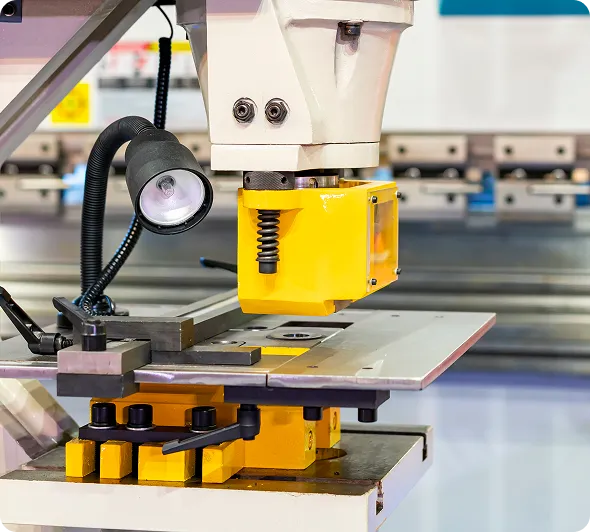
Straight blades often fail due to geometry drift (straightness/flatness), edge instability, or mounting mismatch—not simply because they aren’t sharp.
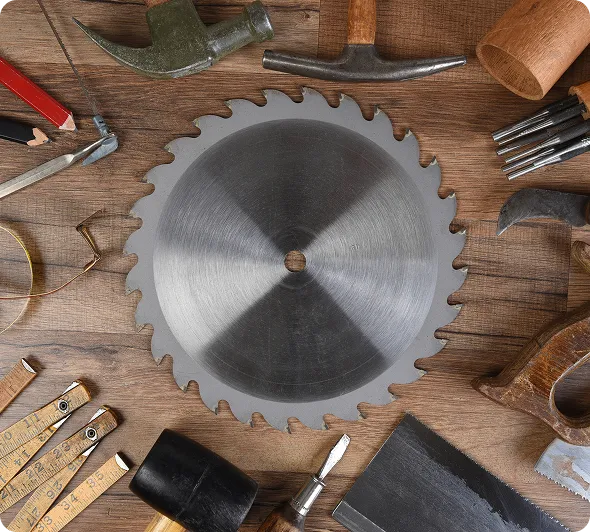
trim knives, cross-cutters, web edge control
cut-to-length, trim, cross-cut, doctoring interfaces nearby
portioning cuts, packaging line cuts, washdown environments
extrusion cut-to-length, trimming, granulation bed knives
stationary knives, impact-tolerant shear knives
Punch tooling quotes depend on both punch geometry and the mating interface. Provide what you have:
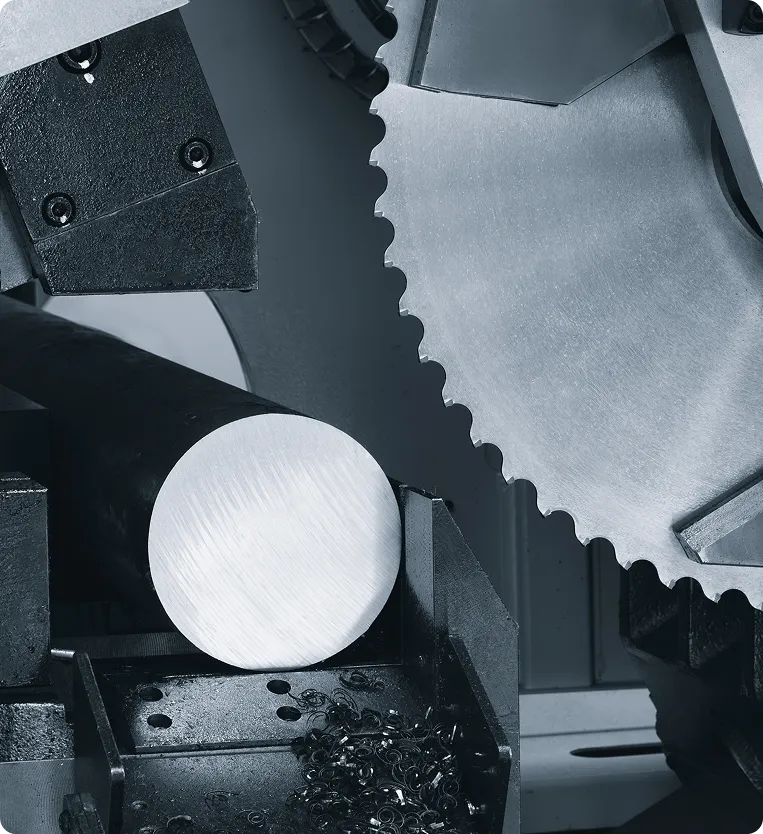
validate fit, clearance, and cut quality before scaling.
revision control to maintain geometry, material, and edge intent.
[LEAD TIME] (depends on material, heat treat, coating, and inspection scope).
[MOQ] (many straight blades can start small; volume improves pricing).
Send a drawing or sample and we’ll respond with manufacturability feedback and a defined quote scope.