
Metal cutting performance depends on controlled shear mechanics. Small differences in clearance, edge geometry, straightness/runout, and hardness/toughness balance can quickly show up as burrs, rollover, edge chipping, and shortened tool life.
Davion supports metal processing operations with made-to-print blades and knife sets designed to improve:

Straight Blades, Slitter Blades, Circular Blades, Custom Blades, Specialty Blades
Guillotine shears and chop stations depend on straightness, edge geometry, and controlled clearance.
Slitting systems are sensitive to runout, stack behavior, and edge condition; set-level consistency is key.
Dynamic cutting demands stable edges and consistent mounting to maintain cut quality at speed.
Trim knives and rotary shear stations require alignment and edge stability to control burr and edge defects.
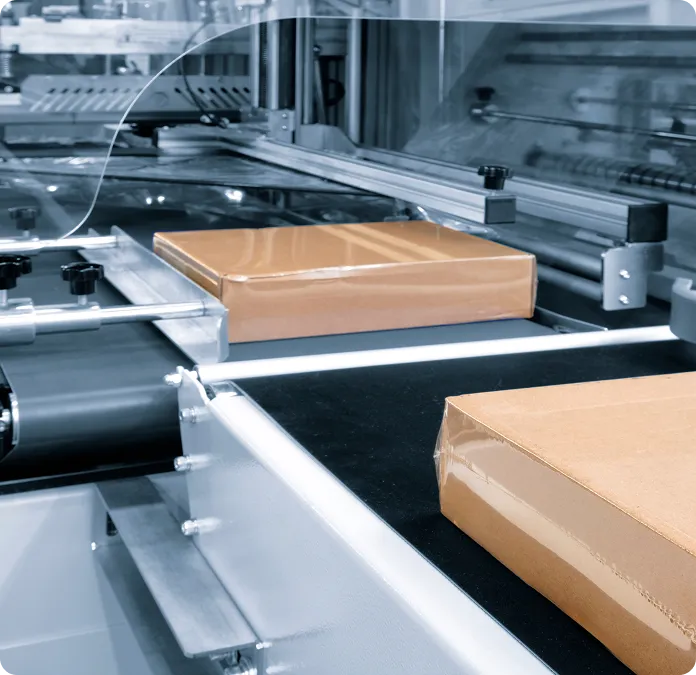
What it is: Straight shear knives used as a matched set in guillotine shears.
When used: Sheet and plate cutting where straightness and clearance control drive burr and rollover.
What it is: Shear blades used in CTL lines to cut strip to precise length.
When used: Coil-fed sheet production where repeat length and edge consistency matter.
What it is: Shear blades designed for synchronized cutting on moving strip.
When used: High-speed lines where stopping the strip is not practical.
What it is: Blades used to crop ends or cut bars/sections in heavy-duty stations.
When used: Where shock loading is higher and edge robustness is critical.
What it is: Blades with machine-specific mounting patterns and datums.
When used: When repeatable installation and alignment are required for cut quality.
What it is: Circular knives used to slit coil into narrower widths.
When used: Coil slitting lines where edge quality and burr control are critical.
What it is: Mating knives/anvils that define the slitting interface with top knives.
When used: When stable overlap/clearance is required across a slitter stack.
What it is: Knife/spacer stacks designed for consistent width and engagement.
When used: Multi-lane slitting where lane-to-lane variation causes scrap and rework.
What it is: Knife pairs that shear continuously as they rotate.
When used: Strip cutting where continuous operation and controlled edge quality are needed.
What it is: Knives that remove edge trim to stabilize strip geometry.
When used: When edge condition impacts forming, coating, or downstream assembly.
What it is: Cut-off blades designed around bar/rod cutting stations.
When used: When cut face quality and tool life must be balanced under high loads.
What it is: Blades used in tube/profile cutting stations (method-defined).
When used: When clean cuts are needed without deformation beyond acceptable limits.
What it is: Knife elements used with dies or anvils for notching/cutouts.
When used: When station design requires combined cutting and punching functions.
What it is: Edge preparations that improve stability and reduce chipping.
When used: When chipping or rapid edge breakdown dominates despite adequate sharpness.
What it is: Material and surface strategies biased toward wear resistance.
When used: Lines with scale, grit, or contamination that accelerates dulling.
What it is: Specifications tuned to resist brittle fracture under shock.
When used: Cropping/heavier stations where impact is the primary risk.
Common base for shear/slitter knives with tunable properties. → Materials: Carbon & Tool Steels
Can support wear and galling control in certain cases (application dependent). → Coatings & Surface Treatments
Tuned for the specific balance of wear vs chipping for your metal grade and thickness. → Heat Treatment & Hardness
Used only for niche cases where corrosion exposure dominates (application-defined). → Materials: Stainless Steels
For select extreme wear needs (application dependent). → Materials: Carbide
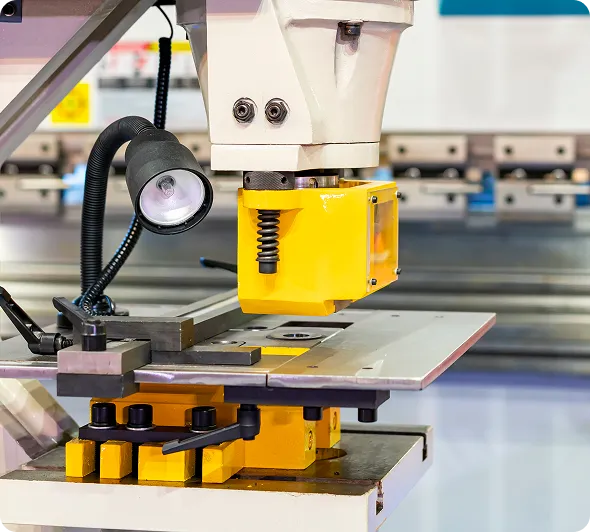
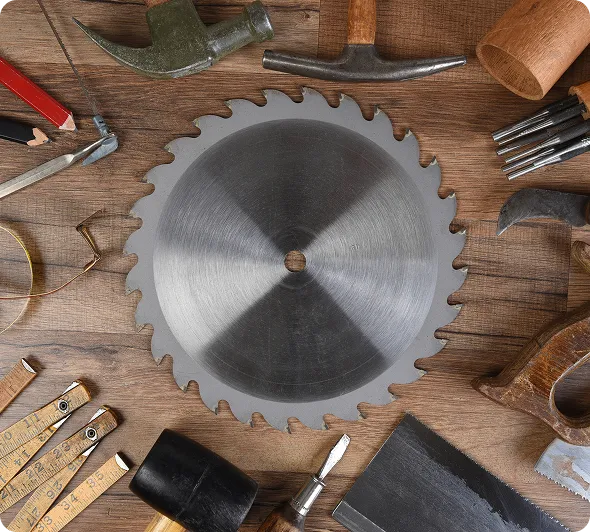
Slitting, trim, and cut-to-length operations
Guillotine shearing and cropping
Cut-off stations (method-defined)
Where edge quality affects roll forming, stamping, or welding
Accurate metal blade quotes require thickness range, material grade, and set-level context. Provide what you have:
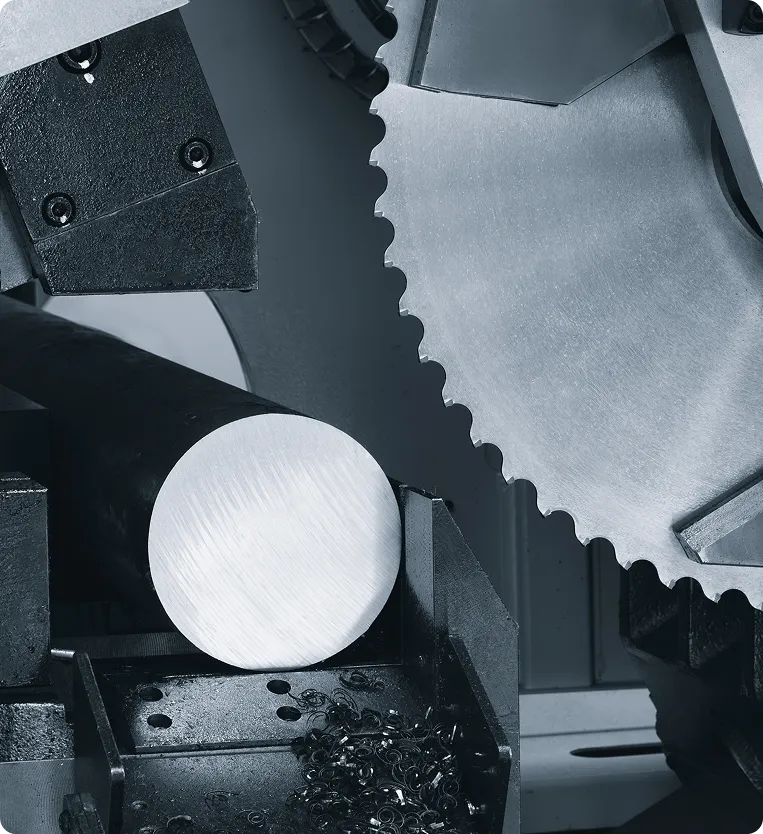
validate burr behavior, edge stability, and life before scaling.
controlled revisions to keep blade geometry consistent across runs.
[LEAD TIME] (depends on material, heat treat, finishing, and inspection scope).
[MOQ] (sets can start small; volume improves pricing).
Send your blade drawings (or a sample) plus metal grade and thickness range, and we’ll define a quote scope aligned to cut quality and uptime.
Burr and rollover are typically driven by clearance, edge wear, and alignment. Blade geometry and heat treat also influence how the edge holds up under load.
Blade drawings plus metal grade and thickness range, and whether you need upper/lower sets. Burr direction requirements and current failure mode speed up correct specification.
Lane variation often comes from runout, stack/spacer inconsistency, or differences in knife wear. Set-level matching and inspection aligned to functional datums are key.
Chipping can indicate impact overload, brittle hardness/toughness balance, or contamination. Edge prep and heat treat strategy are common levers to improve stability.
Yes. Sample-based matching is supported for legacy equipment, especially for sets and slitter stacks.
Yes. Many metal operations depend on set-level consistency for cut quality and quick changeovers.
Runout should be specified relative to the functional mounting datum (bore/hub). If you share your arbor/hub details, we can propose practical callouts.
In some cases, coatings and surface treatments can help with wear or galling, but suitability depends on the operation and material. They’re evaluated case-by-case.