

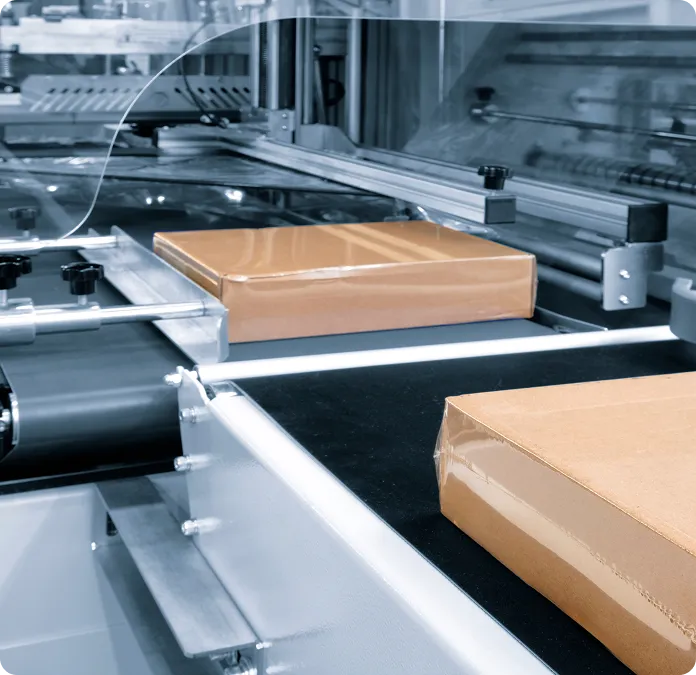
What it is: Matched top/bottom knives that shear the web with controlled overlap/clearance.
When used: Film converting where clean edges and low dusting are required.
What it is: Knives that score against an anvil/backing rather than full shear.
When used: Specific webs where scoring stabilizes separation and reduces tearing.
What it is: Knives that crush material against a hardened shaft/anvil.
When used: Softer webs where crush cutting is preferred for process simplicity.
What it is: Surface/edge strategies to reduce pickup and drag on elastic films.
When used: TPU, stretch, and tacky films where sticking causes heat and edge defects.
What it is: Knife configurations designed to manage pickup and adhesive transfer.
When used: PSA films and linered materials where residue fouls edges and holders.
What it is: Circular knives that shear against a mating edge for clean cuts.
When used: Sheet processing where edge quality affects forming or assembly.
What it is: Circular knives used for cut-to-length in continuous motion.
When used: High-throughput lines where stopping flow is not feasible.
What it is: Straight blades used in intermittent cutting stations.
When used: Profiles and sheets requiring repeatable length and stable edge.
What it is: Straight knives used to trim edges and control web width.
When used: Extrusion lines where trim stability impacts winding and downstream handling.
What it is: Cutting knives mounted on the rotor for size reduction.
When used: Plastics and rubber reclaim systems where wear and impact resistance are critical.
What it is: Fixed knives that create a shear interface with rotor knives.
When used: When consistent particle size and stable cutting clearance are required.
What it is: Knife sets designed and replaced as a system for consistent shear behavior.
When used: When variable particle size and excessive fines indicate clearance or edge mismatch.
What it is: Heavy-duty knives designed for high torque and contamination.
When used: Recycling streams with mixed plastics, labels, and occasional foreign material.
What it is: Mating knives that stabilize cutting and control bite.
When used: When throughput and cut consistency depend on controlled counter-knife geometry.
What it is: Material selections biased toward abrasion resistance.
When used: Glass-filled plastics and mineral-filled compounds that dull edges quickly.
What it is: Serrated edges that increase bite and reduce skidding.
When used: Rubber sheet, foam, and elastomers where smooth edges slip or tear.
What it is: Edge geometry tuned to reduce fiber pull and tearing.
When used: Foams and nonwovens where edge cleanliness matters.
What it is: Knives replicated from existing parts when drawings aren’t available.
When used: Legacy equipment, obsolete OEM parts, or missing CAD/documentation.
Polymer operations often push blades toward one of four failure modes: abrasive wear, heat/pickup, chipping/impact, or corrosion exposure (in washdown-adjacent recycling/cleaning operations).
general wear/toughness balance for many polymer cuts. → Materials: Carbon & Tool Steels
for highly abrasive duty cycles (filled polymers, long runs) where justified. → Materials: Carbide
when corrosion exposure is meaningful (application-defined). → Materials: Stainless Steels
can reduce pickup and wear (application dependent). → Coatings & Surface Treatments
tuned to resist deformation while avoiding brittle chipping in recycling duty. → Heat Treatment & Hardness
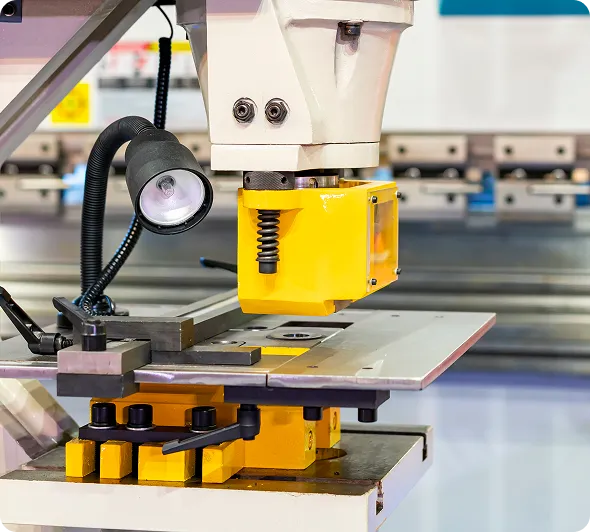
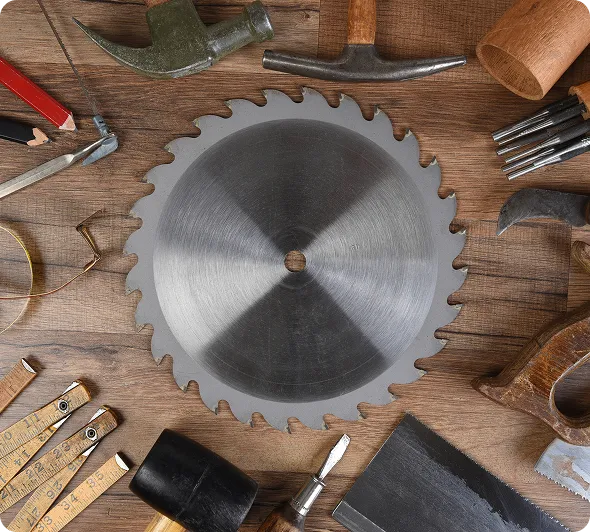
validate cut quality, fines generation, and wear behavior before scaling.
controlled revisions to maintain geometry and performance intent.
[LEAD TIME] (depends on material, heat treat, coatings, and inspection scope).
[MOQ] (many items can start small; volume improves pricing).