Knowledge Center

Latest Insights from Davion Manufacturing

Our blog explores trends, innovations, and real-world applications across advanced manufacturing. Stay informed
about the latest technologies shaping production, automation, and digital transformation in the industry.

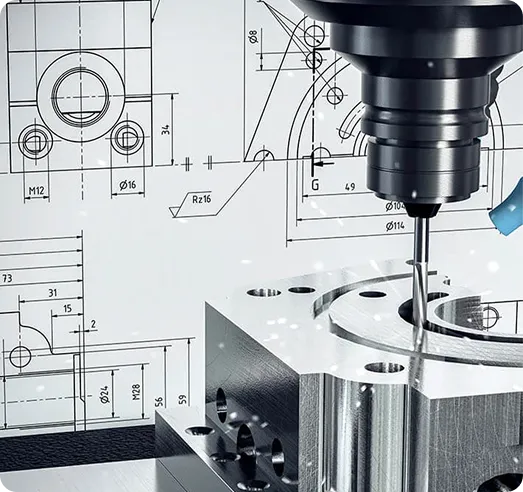
Design Guides & Technical Documentation

Need support on tolerance decisions, DFM guidelines, or surface finishing techniques? Our expert-written technical guides are created to help engineers make the right decisions from concept to production.

Includes:

Design Guides & Technical Documentation

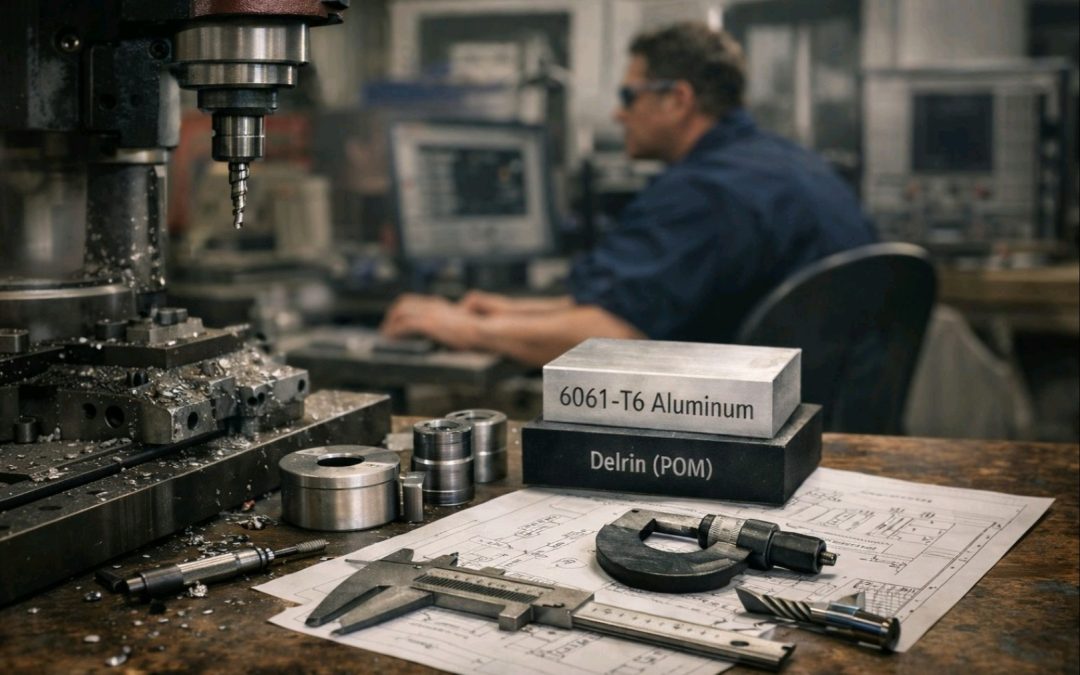
Material Datasheets

Access comprehensive information on commonly used metals, plastics, and composite materials. Each datasheet includes key technical details such as mechanical properties, thermal performance, chemical resistance, and machinability ratings—helping engineers and designers make informed decisions early in the design process.
In addition, you’ll find guidance on ideal application areas for each material, along with recommendations for compatible surface finishing methods. Since cosmetic expectations vary depending on part visibility, surface quality limitations are clearly outlined for both functional and end-user-facing components.
Material Datasheets

Whitepapers & Research

Explore in-depth whitepapers and technical research that delve into critical topics across modern manufacturing. From material selection strategies and process optimization techniques to cost-efficiency analysis and production scalability, our publications are designed to offer actionable insights backed by engineering expertise.
Each paper is developed to support informed decision-making—whether you’re evaluating new materials, comparing manufacturing technologies, or building a business case for scaling production. Ideal for engineers, product developers, and decision-makers seeking deeper technical understanding beyond surface-level content.
Stay tuned as we continue to expand this section with valuable content that bridges theory and real-world application.
Whitepapers & Research

Technical Insights & Guides

Make Better Decisions on Blades and Cutting Processes

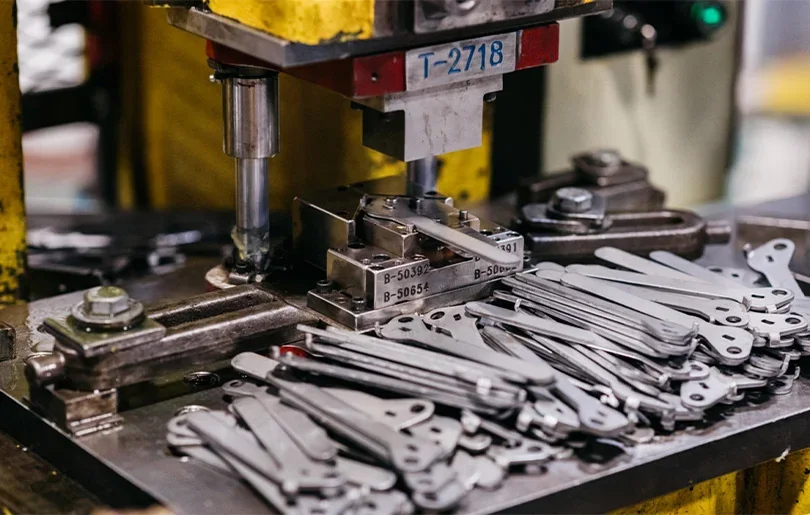
Explore practical guidance on blade selection, materials, wear behavior, and common cutting issues. Our Knowledge Center is built for engineers and production teams who need clear, applicable information—not theory. Use it to troubleshoot problems, compare options, and make more informed decisions.

Need Help Applying This to Your Line?

Share your process or issue—we’ll help translate it into the right blade solution.
Cut Quality Issues  |  Short Edge Life  |  Burr Formation  |  Dusting Problems  |  Material Selection
Focused on real production problems—not generic advice.

Glossary

Not sure what “DFM” means? Curious about the difference between tolerances and fits? Our manufacturing glossary is built to help engineers, designers, and decision-makers better understand the key terms used across production, prototyping, and product development.
From material properties to machining language, get clear definitions and context for the most commonly used industry terms. Explore the full glossary to speak the language of manufacturing with confidence.
Is D2 always the best tool steel for industrial blades?
Design for Manufacturability (DFM) is the practice of designing products in a way that makes them easy and cost-effective to manufacture. It involves choosing materials, tolerances, geometries, and processes that align with production capabilities—minimizing complexity, reducing waste, and avoiding unnecessary costs or delays.
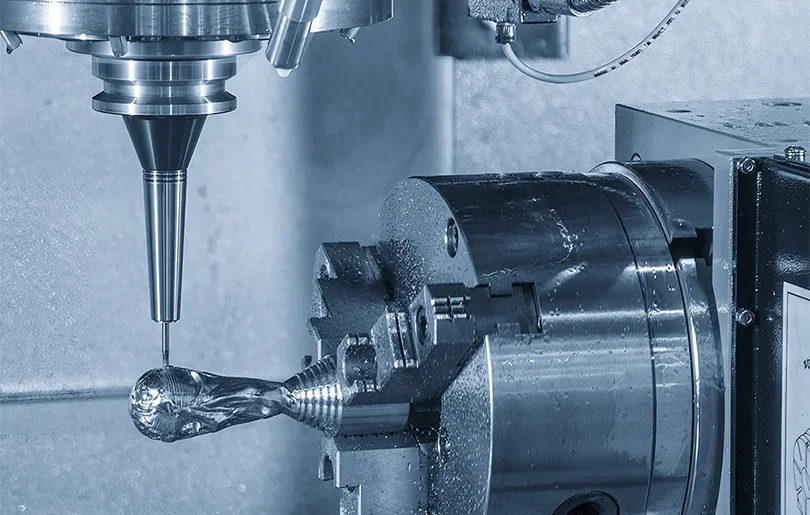
CNC (Computer Numerical Control) machining is a subtractive manufacturing process in which computer-controlled tools remove material from a solid block (called a workpiece) to produce precision parts. It is widely used for metals, plastics, and other materials in both prototyping and production.
Tolerance refers to the allowable variation in a part’s dimensions. It defines how much a measurement can deviate from its specified value without affecting functionality. Tight tolerances are often required for precision components, but they can also increase manufacturing cost and complexity.
Injection molding is a manufacturing process where molten plastic is injected into a mold cavity, then cooled and solidified to form a part. It is ideal for producing high volumes of consistent, detailed plastic components, especially for consumer products and enclosures.
Anodizing is an electrochemical surface treatment that increases corrosion resistance and enhances the appearance of aluminum parts. The process forms a controlled oxide layer on the surface, which can be clear or dyed in various colors, and is commonly used for cosmetic or functional finishes.