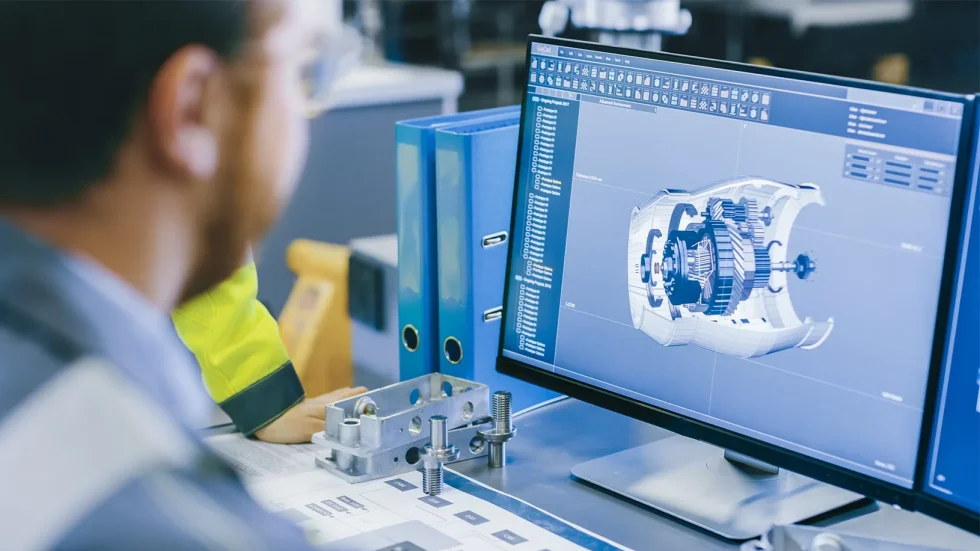
Bringing a new product to market requires moving from concept to physical part as efficiently as possible, and rapid prototyping services play a critical role in this process. For engineers, hardware founders, and inventors, the prototyping stage is where ideas are tested, refined, and validated before committing to full production tooling. Choosing the wrong method at this stage can result in wasted time, inaccurate test results, and unnecessary cost.
Understanding what the best rapid prototyping services are available today means looking beyond a single technology. CNC machining, sheet metal fabrication, 3D printing, and casting each serve a different purpose in the product development cycle. The right choice depends on the material requirements, the level of dimensional accuracy needed, the number of iterations expected, and how close the prototype needs to be to the final production part.
This guide covers each major prototyping method, explains the conditions under which each performs best, and provides a framework for selecting the most appropriate approach for your specific project.
What Rapid Prototyping Actually Means in a Manufacturing Context
Rapid prototyping refers to the accelerated fabrication of a physical part or assembly for the purpose of testing, validation, or demonstration. The emphasis is on speed of iteration rather than the production of finished goods, though some rapid prototyping methods produce parts that are functionally and aesthetically close to production quality.
The term is sometimes used interchangeably with quick-turn manufacturing, which describes the broader capability to produce parts on compressed timescales using flexible production setups. In practice, rapid prototyping and quick-turn manufacturing overlap considerably, particularly at the later stages of product development when prototype parts need to meet tighter tolerances and use production-representative materials.
What makes prototyping valuable is the ability to identify design problems early. A flaw discovered at the prototype stage costs a fraction of what it would cost if identified after production tooling has been committed. This is why design iteration is a core part of any well-managed product development process, and why the choice of prototyping method directly affects how productive each iteration cycle is.
CNC Machining for Prototyping
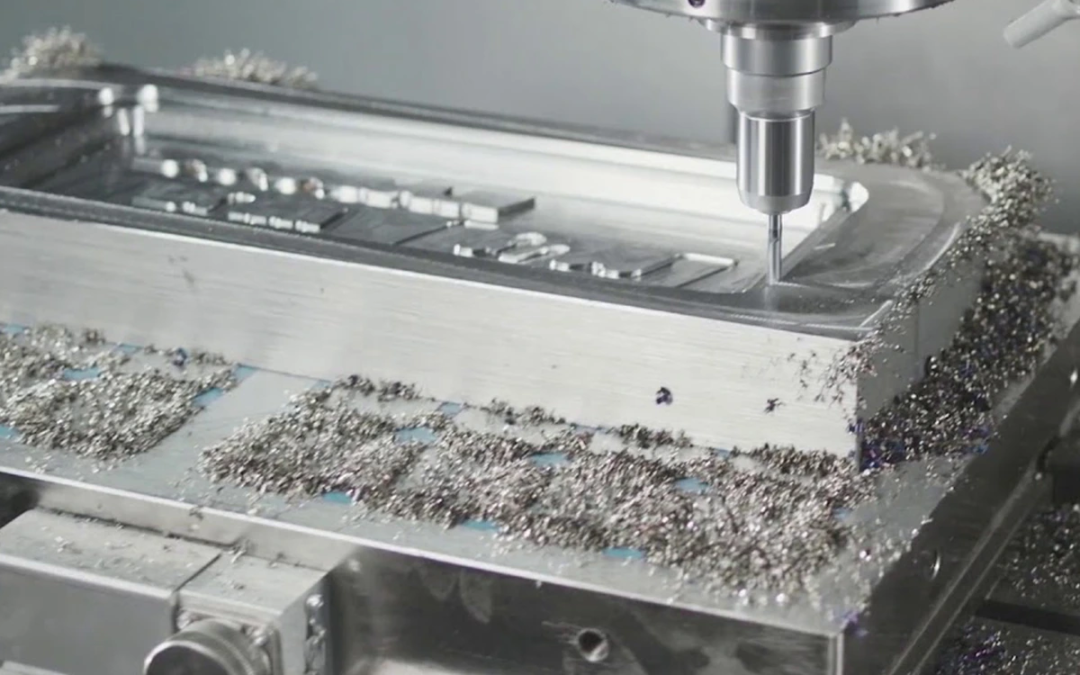
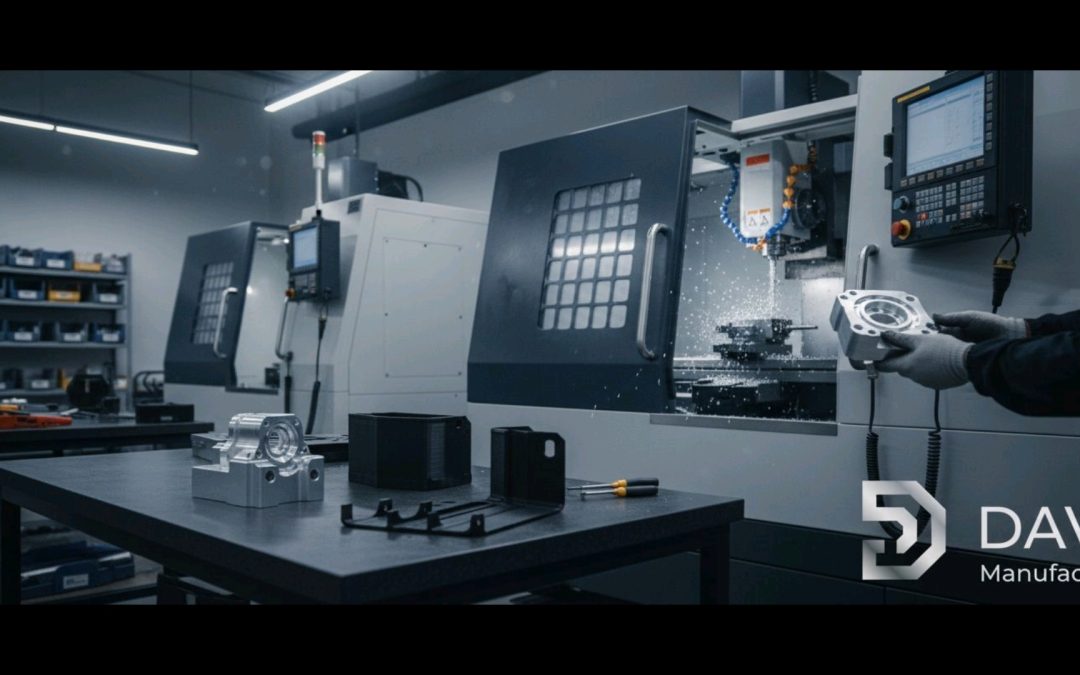
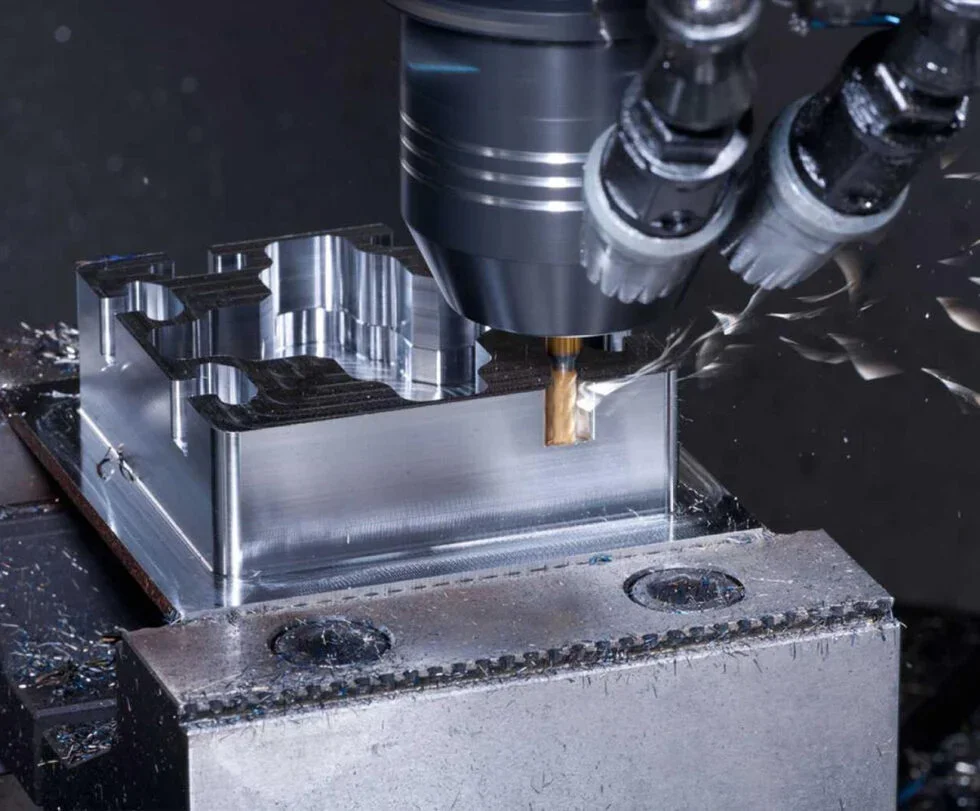
CNC machining is a subtractive manufacturing process where material is removed from a solid block using computer-controlled cutting tools. It is one of the most widely used methods for producing accurate, functional prototypes in metal and engineering-grade plastics.
When CNC Machining Is the Right Choice
CNC machining is best suited to prototypes that need to meet tight dimensional tolerances, use production-equivalent materials, or undergo mechanical or thermal testing. Because the process uses the same materials as production parts, a CNC machined prototype provides a reliable indication of how the finished component will perform under real operating conditions.
It is also well suited to situations where a small number of parts are needed quickly without the lead time associated with tooling. CNC machining Dallas capabilities, for example, allow engineers to move from a digital design file to a finished machined part in a matter of days, making it a practical choice for teams working on tight development schedules.
Limitations of CNC Machining for Prototyping
CNC machining becomes less cost-effective for parts with complex internal geometries that cannot be accessed by cutting tools, or for designs that require multiple setups to machine different faces. Very thin walls, undercuts, and organic shapes may be difficult or impossible to produce without specialist fixturing. For these geometries, additive manufacturing methods are often more appropriate.
A cnc machine service provider will assess the design for manufacturability before quoting, and this feedback is itself a valuable part of the design iteration process, often surfacing geometry issues that would affect production tooling later.
Sheet Metal Prototyping
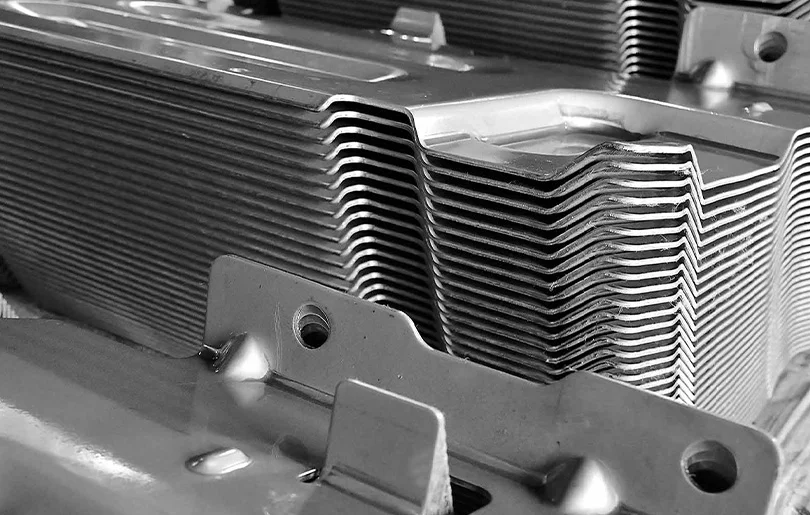
Sheet metal fabrication involves cutting, bending, and joining flat metal stock to produce enclosures, brackets, frames, and structural components. It is a well-established prototyping method for products that use thin-walled metal parts in their final design.
When Sheet Metal Is Appropriate
Sheet metal prototyping is the right choice when the final product will be manufactured using sheet metal processes in production. Testing a sheet metal design with a prototype produced by a different method, such as 3D printing, may not accurately represent how the part will fit, flex, or perform under load.
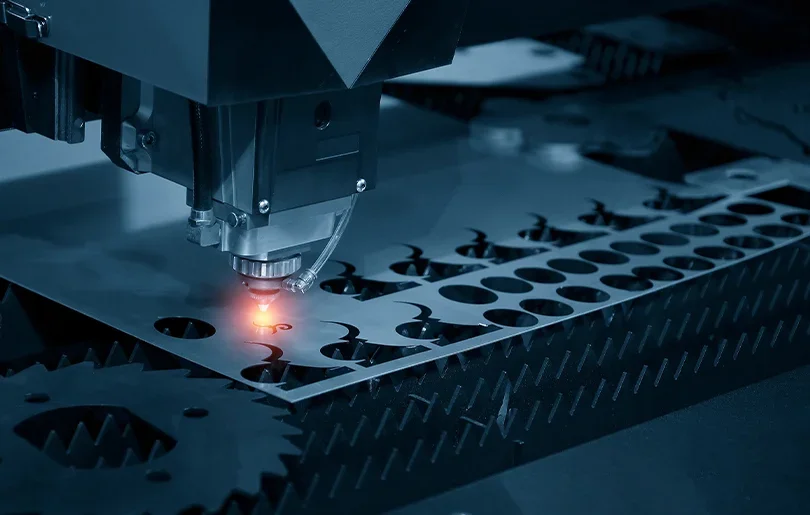
It is also appropriate when prototypes need to be assembled with other components and the fit and finish need to be representative of the production assembly. Sheet metal parts can be produced without dedicated tooling in prototype quantities, using laser cutting and press brake bending to form the required geometry.
Design Considerations for Sheet Metal Prototypes
Sheet metal has specific design rules relating to bend radius, minimum hole size, flange length, and material thickness. Understanding these constraints early prevents design decisions at the prototype stage that would cause problems in production. Reviewing the design with a fabricator before finalising geometry is a practical step that saves revision cycles later.
3D Printing for Rapid Prototyping
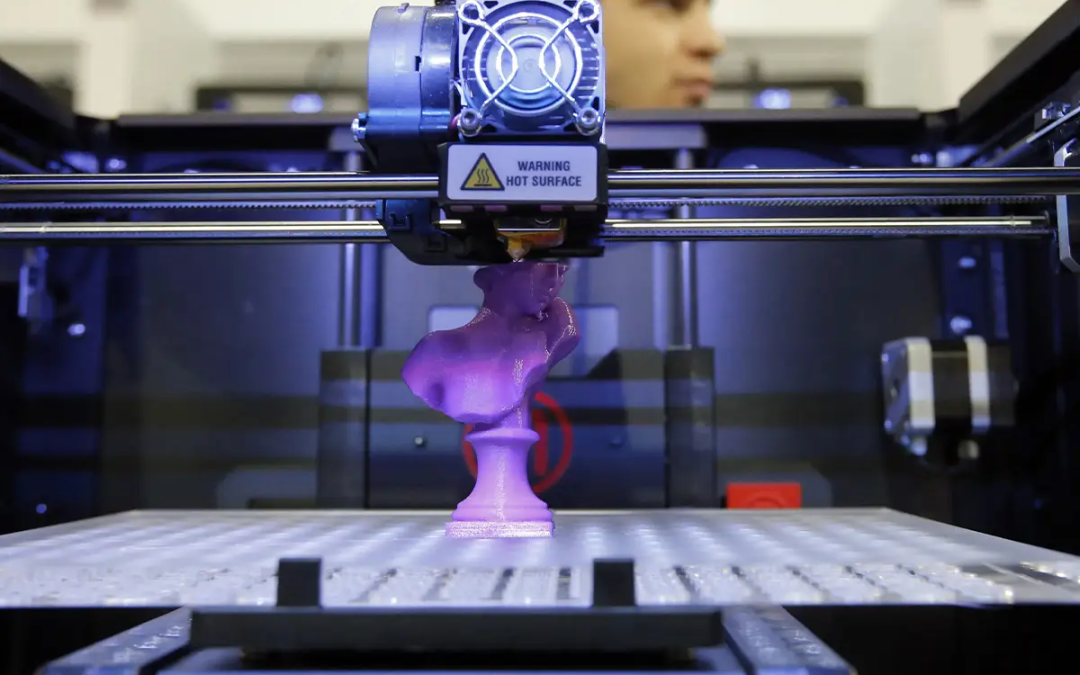
3D printing, also known as additive manufacturing, builds parts layer by layer from digital design files. It encompasses a wide range of technologies, each with different material capabilities, surface finish quality, and dimensional accuracy characteristics.
Common 3D Printing Technologies Used in Prototyping
Fused deposition modelling is the most widely available technology and suits early-stage concept models and form studies. Stereolithography produces parts with finer surface detail and is used for visual prototypes and fit checks. Selective laser sintering produces functional parts in nylon and similar materials that can withstand mechanical testing. Multi-material prototyping is possible with some systems, allowing parts with varying stiffness or colour to be produced in a single build.
For metal components, selective laser melting and direct metal laser sintering produce fully dense metal parts from powder. Metal 3D printing services are used when complex geometries that cannot be CNC machined are required in metal, or when internal channels and lattice structures are part of the design intent.
Choosing Between Plastic and Metal 3D Printing
The choice between plastic and metal additive manufacturing depends on the purpose of the prototype. If the goal is to check form, fit, and basic function, plastic 3D printing is typically sufficient and significantly faster. If the prototype needs to simulate the mechanical behaviour of a metal production part under load, custom 3D printing in metal is more appropriate.
For engineers and hardware founders searching for 3D printing near me or looking for 3D printing Dallas options, local providers with a range of printing technologies offer greater flexibility in matching the right process to the specific prototype requirement.
Multi-Material Prototyping
Multi-material prototyping has become more accessible as additive manufacturing technology has advanced. It is particularly useful for assemblies where different components have different material requirements, or where over moulded features need to be represented in a prototype. Rather than producing multiple single-material parts and assembling them, some systems allow the entire assembly to be printed as a single unit with varying material properties across different regions.
Casting for Prototyping
Casting involves pouring liquid material into a mould to produce a solid part. In a prototyping context, the most used casting methods are urethane casting and investment casting, each suited to different applications.
Urethane Casting
Urethane casting uses a silicone mould made from a master pattern, typically a 3D printed part, to produce small quantities of parts in polyurethane resins. The process is well suited to producing prototype parts that closely resemble injection moulded plastics in appearance and feel, without the cost and lead time of production tooling.
It is commonly used for consumer product prototypes, medical device housings, and any application where the visual and tactile qualities of the prototype need to match the intended production part closely. Quantities from a single silicone mould are limited, making urethane casting most practical for small series of ten to fifty parts.
Investment Casting for Metal Prototypes
Investment casting produces near-net-shape metal parts with good surface finish and the ability to achieve complex geometries. In a prototyping context, it is used when a cast metal part is required for structural or thermal testing and the geometry is not suitable for CNC machining.
It is more commonly used at the later stages of prototype development, when the design is approaching production readiness and the prototype needs to closely represent the final production part in both geometry and material properties.
Selecting the Right Method for Your Project Stage
Understanding what the best rapid prototyping services are is most useful when mapped to the stage of development a project is at.At the earliest stage, when the primary goal is testing a concept or communicating a design intent, speed and low cost are the priority.
As the design matures and functional testing begins, the prototype needs to use materials and processes closer to production. CNC machining and SLS 3D printing are commonly used at this stage.
At the late prototype stage, production readiness is the focus. Parts produced at this stage may use production-equivalent processes such as urethane casting for injection moulded components or investment casting for complex metal parts.
Final Thoughts
Rapid prototyping is not a single technology but a toolkit of methods, each suited to a different combination of material requirements, geometric complexity, accuracy needs, and budget. Engineers and hardware founders who understand the strengths and limitations of each method are better positioned to make decisions that accelerate development rather than slow it down.
Mapping the prototyping method to the stage of development and the specific questions being tested is the most reliable way to extract value from each iteration cycle and move towards production readiness with confidence. Contact us today to discuss your rapid prototyping needs and discover the most efficient path from concept to production.
Frequently Asked Questions
1.What are the best rapid prototyping services for functional testing?
CNC machining and SLS 3D printing are best for functional testing. Both use durable materials that withstand mechanical stress, giving reliable results that reflect how the final production part will perform.
2.When should I use metal 3D printing instead of CNC machining?
Use metal 3D printing for complex internal geometries, lattice structures, or parts with features that cutting tools cannot reach. CNC machining suits simpler geometries requiring tight tolerances and standard metal alloys.
3.How many prototype iterations should I expect before production?
Most hardware products require several iteration cycles. Early stages focus on form and fit, later stages on function and production readiness. The number depends on design complexity and how quickly issues are resolved.
4.What is multi-material prototyping used for?
It is used when a prototype needs to represent parts with varying stiffness, texture, or colour in a single build. It reduces assembly steps and better represents the final product’s look, feel, and basic functionality.
5.How do I know when my prototype is ready for production?
Production readiness is reached when the prototype passes functional testing, meets dimensional requirements, and has been reviewed for manufacturability. A design iteration review with your manufacturer confirms this before tooling begins.