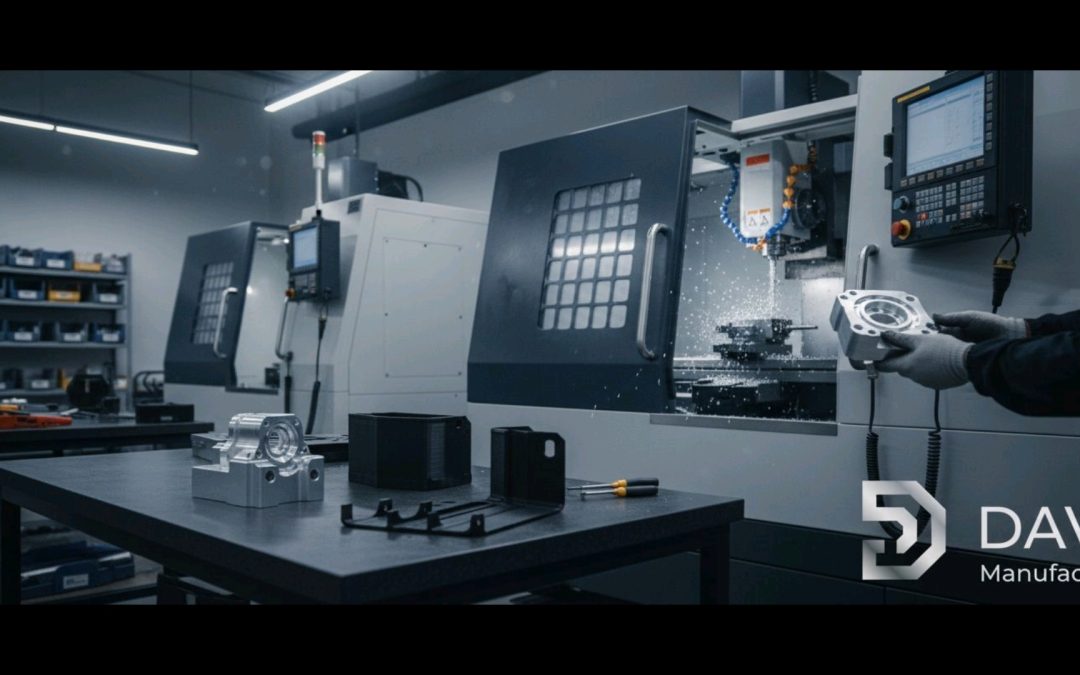
CNC Machining for Startups (Part 1/5): Don’t Burn Your Budget on the Wrong Parts
You have a promising product idea, a polished 3D model on your screen, and perhaps some early investment funding. Now comes the stage where many young companies struggle: transforming that concept into functional hardware without exhausting limited resources.
For a technology-driven startup company, manufacturing decisions made during the prototype phase can determine whether the business moves toward market validation or stalls due to cost overruns and delays.
We have seen many teams spend their entire budget on beautifully machined components that ultimately failed to solve the right engineering problems. Conversely, we have helped numerous startups reach pilot production on surprisingly modest budgets by making disciplined process choices and focusing on learning rather than perfection.
Instead of acting as a transactional supplier, a capable manufacturing partner should function as an extension of your engineering team — helping you navigate trade-offs between cost, speed, performance, and scalability.
CNC machining for startups can be a powerful tool across development stages, from early functional prototypes to engineering builds and pilot runs. When combined intelligently with processes such as 3D printing, sheet metal fabrication, and later-stage molding or casting, it helps avoid the classic “death by iteration” trap that drains both time and capital.
Why CNC Machining Is Often the First Real Manufacturing Test
Transitioning from CAD models to physical metal or engineering plastic parts changes the nature of product development entirely. You are no longer testing an abstract idea you are validating whether your product can exist in the real world.
At this stage, decisions begin to influence:
- Cost per unit and long-term profitability
- Lead times and ability to deliver to customers
- Reliability and failure risk in real operating conditions
- Your reputation with early adopters and investors
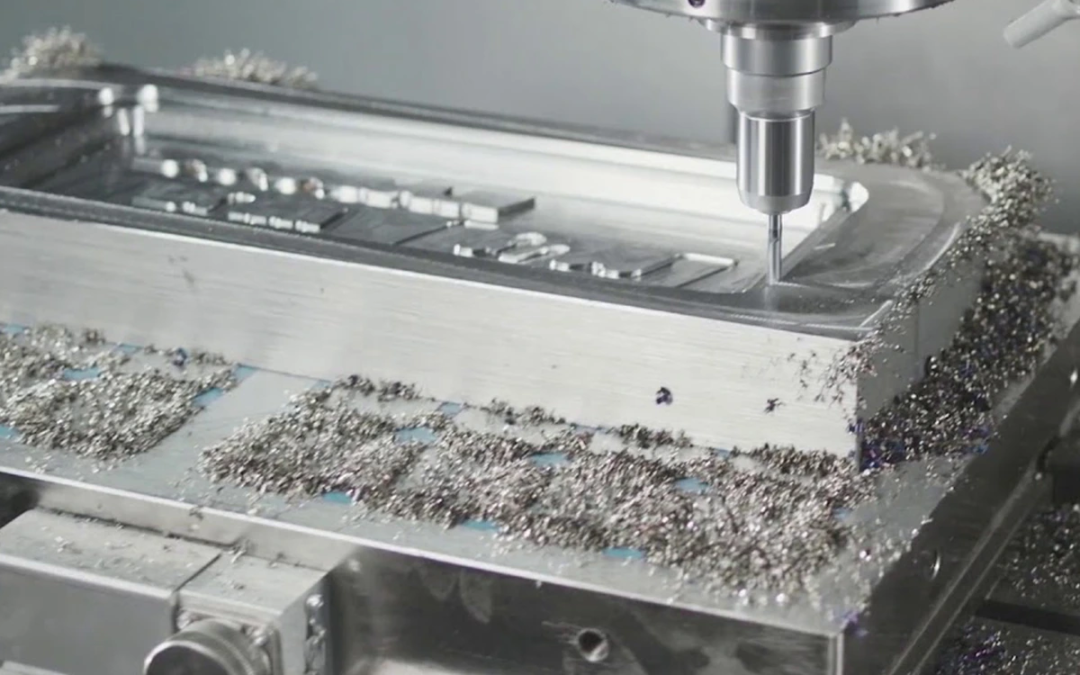
Precision machining produces parts from production-grade materials such as aluminum, stainless steel, and engineering polymers. This allows prototypes to behave mechanically and thermally much closer to final products than most additive manufacturing methods.
Equally important, CNC processes require little or no dedicated tooling. Unlike injection molding or die casting, design changes can be implemented without scrapping expensive molds, making iteration feasible for early-stage companies.
Advantages of CNC Machining Compared to Other Prototype Methods
Compared to 3D printing, CNC machining typically offers:
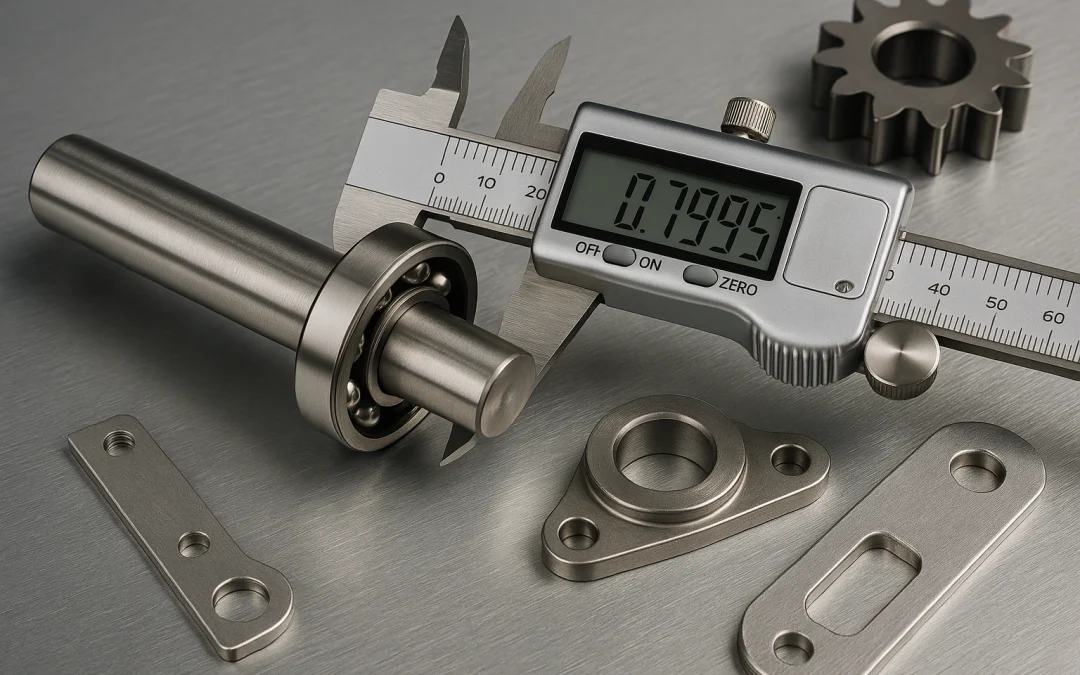
- Higher dimensional accuracy on critical features
- Superior surface finish for sealing, bearing, or sliding components
- Better material properties for structural testing
- More predictable performance under load and temperature
Compared to jumping directly into injection molding or die casting, CNC machining:
- Requires minimal upfront tooling investment
- Allows geometry revisions between builds
- Supports low-volume production while demand is uncertain
- Enables validation before committing to mass-production tools
For startups developing hardware products, these advantages significantly increase the probability of reaching a viable production design without catastrophic financial risk.
How Startups Waste Money in CNC Machining (and How to Avoid It)
Many teams assume that ordering high-precision parts automatically advances their project. In reality, poorly planned machining work can consume capital faster than almost any other development activity.
Common budget-draining mistakes include:
- Designing parts that are difficult or inefficient to machine
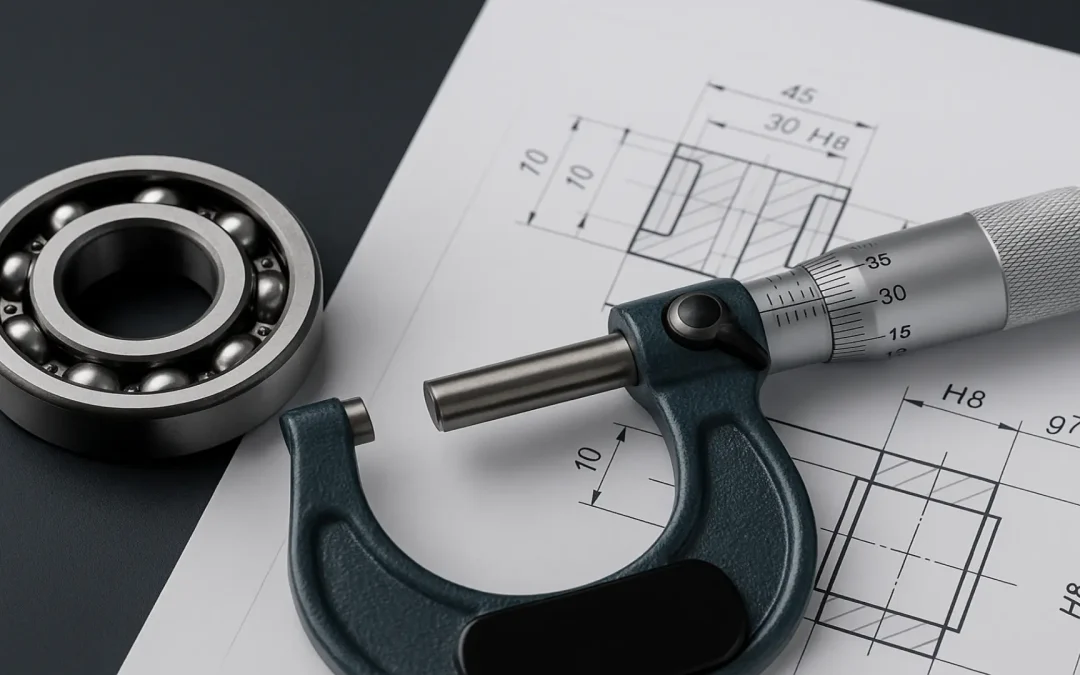
- Applying unnecessarily tight tolerances on non-critical features
- Choosing exotic materials without functional justification
- Ignoring manufacturability during the CAD stage
- Iterating without clear testing objectives
A more effective approach is Design for Manufacturability (DFM). With proper DFM guidance, prototype machining becomes a strategic learning tool rather than an expensive guessing exercise.
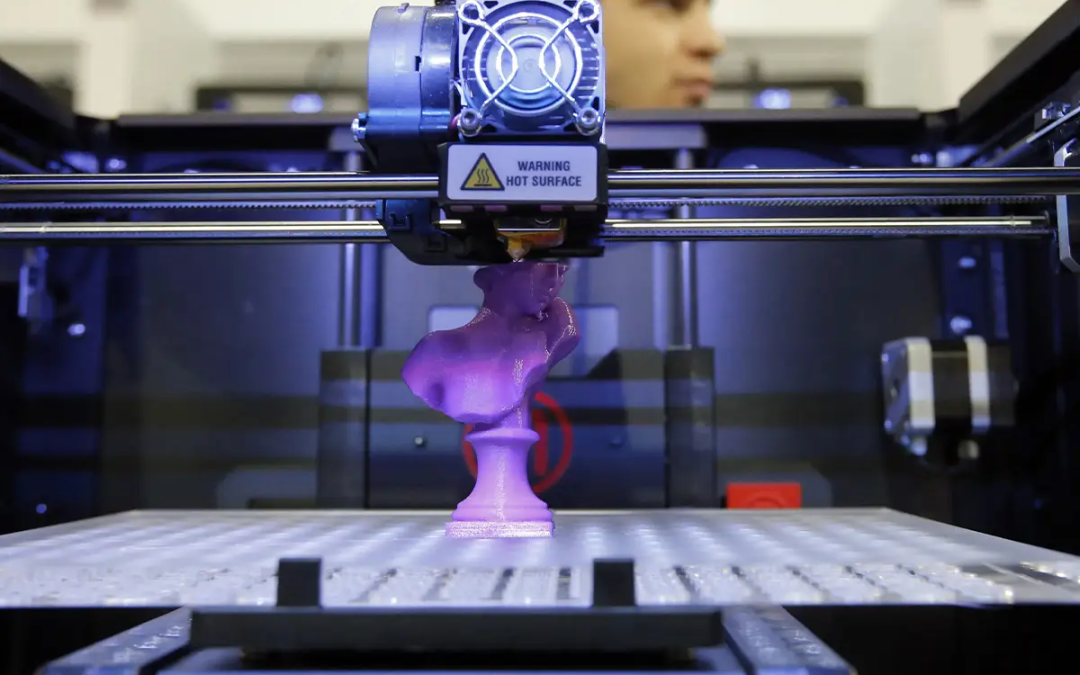
Hybrid strategies are also underutilized. In many cases, combining additive manufacturing for form validation with CNC machining for critical components produces faster insights at lower cost.
Successful startups treat manufacturing as an integral part of product development — not a downstream activity.
When Should a Startup Choose CNC Machining?
CNC machining is particularly appropriate when your prototype must replicate real-world conditions. Situations where it is often the safest choice include:
- Functional testing with production-grade materials
- Load-bearing or safety-critical components
- Tight tolerances on interfaces and assemblies
- Thermal or environmental validation
- Low-volume production prior to tooling
If your prototype must behave exactly like the final product, precision machining is usually the most reliable path.
However, if speed and cost are the primary concerns and material properties are less critical, alternative processes such as additive manufacturing may be more suitable during early concept exploration.
The key is not choosing a single process blindly, but building a manufacturing roadmap that evolves as your product matures.
CNC Machining as a Foundation for Scalable Production
Startups that use CNC machining strategically during early development often establish a smoother transition to pilot production and eventual mass manufacturing. If you are evaluating suppliers at this stage, working with a professional CNC machining service can help you understand realistic capabilities, costs, and timelines before committing to large investments.
Early machining work helps identify:
- Design weaknesses before tooling investment
- Assembly challenges
Realistic cost structures- Supply chain constraints
- Performance limits under actual operating conditions
- This knowledge dramatically reduces risk when scaling to processes such as injection molding, die casting, or automated fabrication.
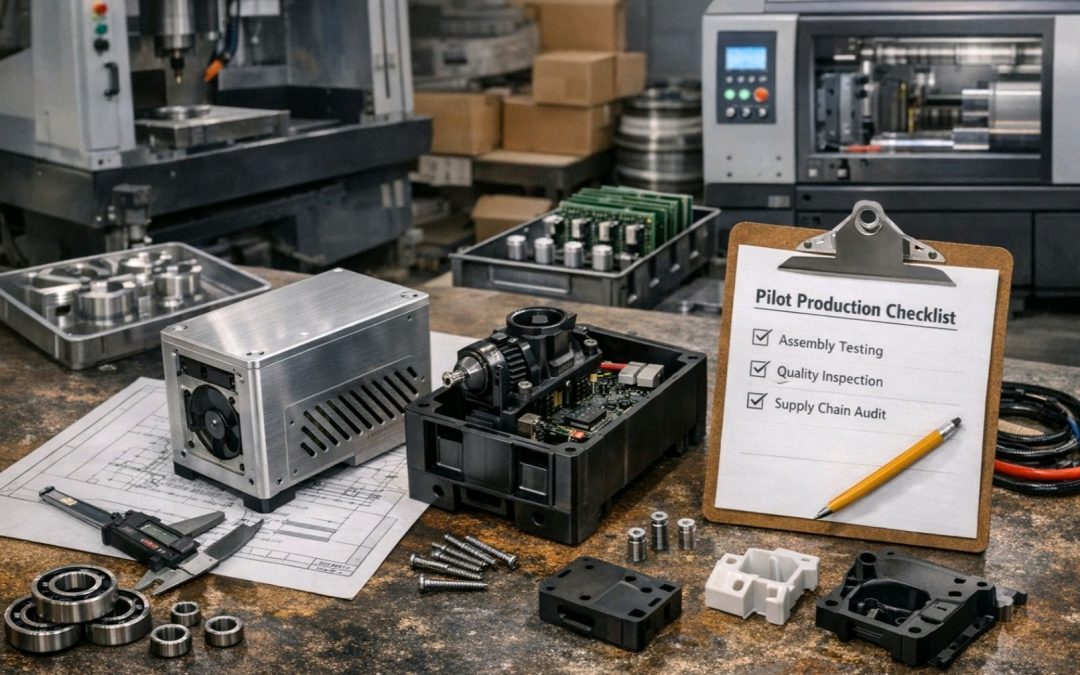
Next in the series: How prototypes should flow through EVT → DVT → pilot production without chaos.