When evaluating material options for CNC or Sheet Metal Parts, decision makers often focus on performance, manufacturability, and cost rather than brand or trend. Choosing the right metal influences not only how a part functions but also how efficiently it can be produced and maintained over its lifecycle. Engineers, OEMs, and product developers frequently ask the same fundamental question: Should I use aluminum or steel for my parts? The answer depends on a careful analysis of application requirements, production methods, and long-term operational goals rather than a single defining characteristic. Engaging a reliable CNC machine service can further enhance production efficiency and ensure that material properties are leveraged optimally during manufacturing.
This guide provides a structured comparison of aluminum and steel to support informed decision making for CNC or Sheet Metal Parts. It explores mechanical behaviour, machining considerations, environmental exposure, and economic trade-offs within professional manufacturing contexts. The intent is not to promote one material universally but to clarify when each option aligns best with functional and commercial priorities.
Understanding Aluminum and Steel in Manufacturing Contexts
Aluminum and steel are among the most widely used metals in industrial production, particularly within metal fabrication environments that serve diverse industries such as automotive, aerospace, industrial equipment, and electronics. Aluminum is known for its low density, corrosion resistance, and ease of machining, while steel is valued for its strength, durability, and broad grade availability. These intrinsic differences shape how each material behaves during manufacturing and in end-use applications.
Within CNC or Sheet Metal Parts manufacturing, aluminum alloys such as 6061 or 5052 are commonly selected for components requiring lightweight construction and dimensional stability. Steel, including carbon steel and stainless-steel variants, is often chosen for structural integrity and wear resistance. Understanding these baseline characteristics allows engineers to narrow material choices early in the design phase, reducing rework and cost overruns later in production.
Common Material Grades and Selection Guidance
While aluminum and steel encompass broad categories, specific grades offer distinct properties that influence application suitability. Selecting the appropriate grade requires understanding both mechanical requirements and manufacturing constraints.
Aluminum Grades: 6061-T6 is the most versatile aluminum alloy for general CNC machining, offering good strength, weldability, and corrosion resistance. Select this grade for structural components, brackets, and enclosures where moderate strength and machinability are priorities. Avoid for applications requiring maximum strength or extreme forming operations.
7075 provides the highest strength among commonly available aluminum alloys, approaching some steel grades. Choose this for aerospace components, high-stress fasteners, and parts where weight savings must be maximized without compromising load capacity. Do not use where welding is required or where formability is critical, as this alloy is prone to cracking during bending operations.
5052 excels in sheet metal applications requiring forming, bending, and corrosion resistance. This grade is ideal for enclosures, panels, and marine applications. It offers lower strength than 6061 but superior workability for sheet metal fabrication processes.
Steel Grades:1018 and 1045 carbon steels serve as general-purpose structural materials. Use 1018 for welded assemblies, brackets, and non-critical components where cost efficiency matters. Choose 1045 for parts requiring moderate hardness and wear resistance, such as shafts and gears. Both grades require corrosion protection in most environments.
4140 alloy steel delivers high strength and toughness for demanding applications. Select this grade for high-load components, tooling, and parts subjected to impact or fatigue. Its hardenability makes it suitable for components requiring surface hardening. Machining difficulty increases with hardness.
304 and 316 stainless steels provide excellent corrosion resistance with moderate strength. Use 304 for general corrosion resistance in food processing, medical devices, and architectural applications. Specify 316 for marine environments or chemical exposure where enhanced corrosion resistance justifies higher cost.
17-4PH stainless steel combines high strength with corrosion resistance through precipitation hardening. Choose this grade for aerospace, medical, and high-performance applications where both properties are essential. Cost and machining complexity are higher than conventional stainless grades.
Strength and Structural Performance Considerations
Strength requirements are often the primary driver in material selection, particularly for load-bearing or high-stress applications. Steel generally offers higher tensile and yield strength than aluminium, making it suitable for components subjected to heavy loads, impact forces, or long-term fatigue. This characteristic is particularly important in industrial machinery and infrastructure components where failure risks must be minimized.
Aluminium, while weaker in absolute terms, offers an excellent strength-to-weight ratio. This makes it advantageous in applications where reducing mass improves performance or efficiency, such as transportation systems or portable equipment. When designing CNC or Sheet Metal Parts, engineers often evaluate whether absolute strength or weight optimization is more critical, as this distinction frequently determines whether aluminum or steel is the more appropriate choice.
Learning from Material Selection Mistakes
Understanding common material selection errors helps prevent costly redesigns and performance issues. The following scenarios illustrate practical consequences of misaligned material choices.
Case Study 1: Aluminium in High-Load Applications
An equipment manufacturer selected 6061-T6 aluminium for a structural mounting bracket subjected to cyclical loading in industrial machinery. During field testing, the component exhibited excessive deflection under load, causing misalignment in the assembly and premature wear of adjacent parts. The issue stemmed from aluminium’s lower elastic modulus compared to steel, resulting in deflection beyond acceptable tolerances despite adequate yield strength. The solution required either increasing wall thickness significantly (adding unwanted weight) or switching to 4140 steels, which provided necessary rigidity within dimensional constraints.
Case Study 2: Carbon Steel in Corrosive Environments
A fabrication project specified 1018 carbon steel for outdoor enclosure panels to reduce material costs. Within months of installation, visible corrosion appeared despite powder coating, as moisture penetrated coating imperfections. Corrosion progressed rapidly in coastal environments, requiring premature replacement. Switching to 5052 aluminium or 304 stainless steel eliminated corrosion issues without surface treatment, reducing lifecycle costs despite higher initial material expense.
Case Study 3: High-Strength Aluminium Forming Challenges
A designer specified 7075 aluminium for formed brackets to maximize strength-to-weight ratio. During production, parts consistently cracked along bend lines due to the alloy’s limited formability in T6 temper. The manufacturing team solved this by switching to O-temper material for forming operations, then heat treating to T6 condition afterward. For simpler projects without heat treatment capabilities, substituting 6061-T6 or redesigning geometry to eliminate tight bends proved more cost-effective than managing 7075’s forming limitations.
Machining Properties and Manufacturing Efficiency
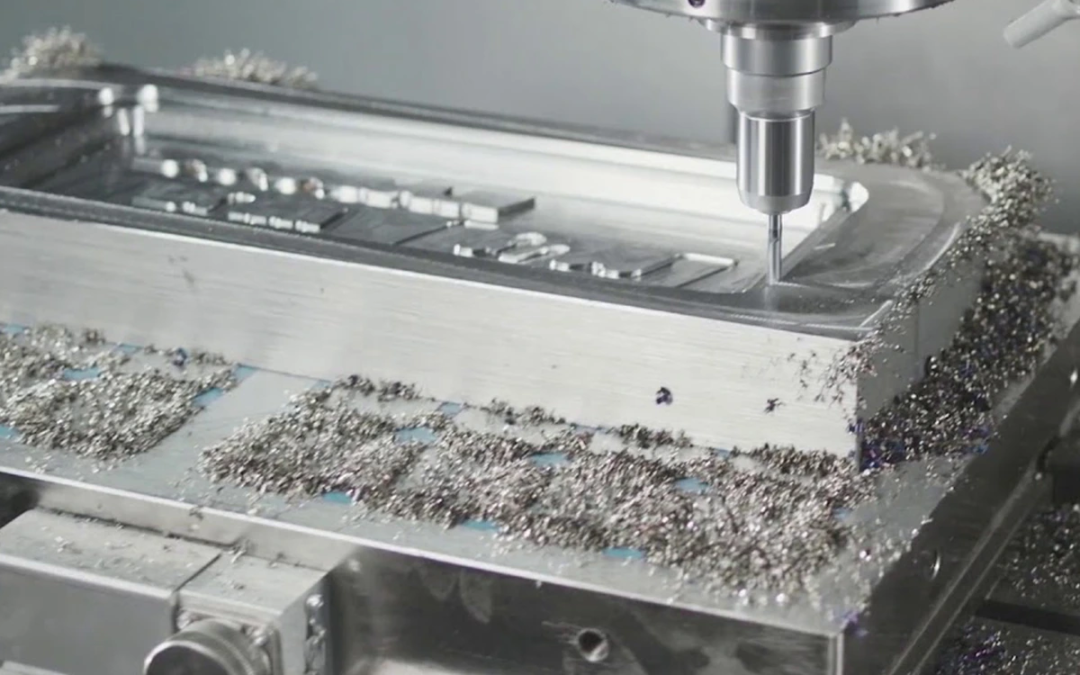
Machining behaviour significantly affects production timelines and tooling costs. Aluminium is generally easier to machine due to its lower hardness and better chip formation, which reduces tool wear and allows higher cutting speeds. These properties contribute to shorter cycle times and lower operational costs, particularly in high-volume CNC operations.
Steel, depending on grade, can be more challenging to machine and may require specialized tooling or slower feed rates. However, modern CNC technology and process optimization have improved steel machining efficiency within metal fabrication workflows. For CNC or Sheet Metal Parts that require tight tolerances and complex geometries, machining properties must be evaluated alongside production volume and cost targets to ensure feasibility and consistency.
Forming and Bending Considerations for Sheet Metal
Material formability significantly impacts sheet metal fabrication feasibility and cost. While aluminium generally offers good formability, high-strength alloys present specific challenges that must be addressed during design and manufacturing.
High-strength aluminium alloys such as 7075 are particularly prone to cracking during bending operations, especially in T6 temper. The material’s limited ductility causes fractures along tight bend radii, making conventional sheet metal forming impractical without process modifications. Solutions include using O-temper material for forming operations followed by heat treatment to restore strength, locally annealing bend areas before forming, or substituting more formable alloys like 5052 or 6061 where ultimate strength requirements permit.
Steel grades vary widely in formability. Mild steels like 1018 bend readily with standard tooling, while high-strength grades such as 4140 or hardened stainless steels require greater forming forces and wider bend radii. Understanding material springbuck characteristics ensures dimensional accuracy after forming, particularly for complex geometries requiring multiple bends.
Corrosion Resistance and Environmental Exposure
Environmental conditions play a critical role in material longevity. Aluminium naturally forms a protective oxide layer that provides inherent corrosion resistance in many environments. This characteristic makes aluminium suitable for outdoor applications, marine environments, and components exposed to moisture without extensive surface treatment.
Steel’s corrosion resistance varies widely by type. Carbon steel is prone to rust unless protected by coatings or treatments, while stainless steel offers enhanced resistance through alloying elements such as chromium. In metal fabrication projects involving harsh or corrosive environments, selecting the appropriate steel grade or opting for aluminium can significantly reduce maintenance requirements. For CNC or Sheet Metal Parts exposed to environmental stressors, corrosion resistance should be evaluated alongside cost and performance expectations.
Surface Finishing and Protection Strategies
Surface finishing choices significantly affect both aesthetics and functional performance, particularly regarding corrosion protection and wear resistance. Understanding finishing options helps align material selection with lifecycle requirements.
Aluminium Finishing: Anodizing creates a controlled oxide layer that enhances corrosion resistance and provides a hard, wear-resistant surface. This process is ideal for aluminum components requiring durability in outdoor or marine environments, electrical insulation properties, or decorative colour options. Anodizing maintains dimensional accuracy and works well on complex geometries. However, it requires conductive contact points to remain uncoated and adds processing cost.
Powder coating provides a thicker, more impact-resistant finish with broader colour options than anodizing. Choose powder coating for aluminium parts requiring maximum aesthetic flexibility, superior chip resistance, or where insulation properties of anodizing are unnecessary. Powder coating is generally more cost-effective than anodizing for larger parts but offers less wear resistance.
Steel Finishing: Galvanizing applies a zinc coating that protects carbon steel through both barrier protection and sacrificial corrosion. This finish is essential for outdoor structural steel applications, fasteners, and components exposed to moisture. Hot-dip galvanizing provides superior protection for large structural elements, while electroplating offers thinner coatings for precision parts.
Passivation treats stainless steel surfaces to enhance the natural chromium oxide layer, improving corrosion resistance without adding coating thickness. This process is standard for 300-series stainless components in medical, food processing, and pharmaceutical applications where contamination risks must be minimized.
For carbon steel parts in indoor or controlled environments, powder coating or painting may provide adequate protection at lower cost than galvanizing. E-coating offers uniform coverage for complex geometries requiring corrosion protection.
Material Cost and Supply Chain Factors
Material cost extends beyond raw price per unit and includes availability, processing requirements, and waste considerations. Aluminium is typically more expensive per pound than carbon steel, but its lower density means less material may be required to achieve the same functional outcome. Additionally, reduced machining time can offset higher material costs in certain scenarios.
Steel benefits from widespread availability and a broad range of grades, which can stabilize pricing and simplify sourcing. In metal fabrication operations, predictable material supply can be as important as unit cost. For CNC or Sheet Metal Parts produced at scale, understanding total cost of ownership rather than initial material expense leads to more sustainable procurement decisions.
Weight, Transport, and Assembly Implications
Weight influences not only product performance but also logistics and assembly efficiency. Aluminium’s low density reduces shipping costs and simplifies manual handling during assembly. This advantage is particularly relevant for large or complex assemblies where weight reduction improves ergonomics and reduces installation time.
Steel’s higher density can increase transport costs but may be justified in applications where rigidity and durability outweigh logistical concerns. For CNC or Sheet Metal Parts integrated into larger systems, engineers must consider how material choice affects downstream processes, including transportation, installation, and serviceability throughout the product lifecycle.
Thermal and Electrical Performance Factors
Thermal conductivity and electrical properties can influence material suitability in specialized applications. Aluminium conducts heat and electricity more effectively than steel, making it advantageous for heat sinks, enclosures, and components requiring thermal management. These properties are particularly relevant in electronics and energy-related applications.
Steel’s lower thermal conductivity may be beneficial where heat retention or insulation is desired. Within metal fabrication projects involving temperature variation, understanding how materials respond to thermal stress helps prevent warping or performance degradation. When working with CNC or Sheet Metal Parts in thermally sensitive environments, partnering with an experienced metal cutting service in Texas ensures precise material handling and minimizes the risk of thermal-related defects, which can be as critical as mechanical strength in final performance.
Sustainability and Recycling Considerations
Sustainability is increasingly relevant in material selection discussions. Aluminium is highly recyclable and retains its properties through repeated recycling processes, which can reduce environmental impact over time. Steel is also recyclable and benefits from established recycling infrastructure globally.
In metal fabrication operations seeking to reduce waste and improve environmental performance, both materials offer viable pathways. However, energy requirements for primary production differ, and lifecycle assessments may influence material preference. For CNC or Sheet Metal Parts produced within sustainability-focused programs, understanding material recycling and energy profiles supports responsible decision making.
Application-Specific Decision Making
Material selection rarely occurs in isolation. Engineers must consider how parts interact with systems, users, and operating environments. For example, aerospace components prioritize weight reduction, making aluminium a common choice. Industrial equipment may prioritize durability and load capacity, favouring steel.
When teams ask, Should I use aluminium or steel for my parts? the most effective response considers application context rather than generic advantages. CNC or Sheet Metal Parts designed for different industries may require distinct material strategies, even when geometries appear similar.
Integrating Material Choice with Production Strategy
Production strategy influences how materials perform economically. High-volume production may Favor materials that machine quickly and reduce tool wear, while low-volume or custom production may prioritize material flexibility and availability. Metal fabrication shops often adjust processes to accommodate both aluminium and steel efficiently.
For CNC or Sheet Metal Parts, aligning material choice with production capabilities reduces lead times and minimizes quality risks. Collaboration between design engineers and manufacturing partners ensures that material decisions support both technical requirements and operational efficiency.
Internal Collaboration and Supplier Expertise
Material selection benefits from collaboration across engineering, procurement, and manufacturing teams. Engaging suppliers early provides insight into machining behaviour, lead times, and cost implications specific to aluminium and steel. Experienced metal fabrication partners can offer guidance based on prior production data rather than theoretical assumptions.
By leveraging supplier expertise, organizations reduce uncertainty and improve decision quality for CNC or Sheet Metal Parts. This collaborative approach supports more predictable outcomes and stronger alignment between design intent and manufacturing reality.
Final Considerations for Informed Material Selection
Selecting between aluminium and steel requires a holistic understanding of design intent, manufacturing processes, and lifecycle expectations. CNC or Sheet Metal Parts perform best when material choice reflects both functional demands and production strategy. Rather than seeking a universal answer, decision makers benefit from evaluating trade-offs systematically.
By considering strength, machining properties, corrosion resistance, and cost within metal fabrication contexts, engineers and product developers can make confident, evidence-based choices. This approach ensures that material selection supports durability, efficiency, and long-term value across diverse industrial applications.
If you are ready to make the best material choice for your next project or need expert guidance on CNC or Sheet Metal Parts, contact us today to discuss your requirements with our experienced team.
Frequently Asked Questions
1.Is aluminium always better for lightweight parts?
Aluminium is often preferred for lightweight applications due to its low density, but design geometry and load requirements also influence suitability. In some cases, thinner steel components may achieve similar weight with greater strength.
2.Should I use aluminium or steel for my parts?
The answer depends on application requirements such as strength, environment, weight, and cost. Evaluating these factors together provides clarity rather than relying on material reputation alone.
3.How does metal fabrication influence material choice?
Metal fabrication capabilities, including machining equipment and finishing processes, affect how efficiently materials can be produced. Understanding fabrication constraints helps align material selection with production realities.
4.Are CNC or Sheet Metal Parts more cost effective in aluminium or steel?
Cost effectiveness varies by volume, complexity, and performance needs. Aluminium may reduce machining time, while steel may lower material expense, making total cost analysis essential.
5.Can both materials meet industrial durability standards?
Yes. Both aluminium and steel can meet industrial durability requirements when properly specified, processed, and maintained within appropriate operating conditions.