
Made-to-print circular blades with controlled runout, stable edges, and application-matched materials, heat treat, and coatings.
Circular blades (circular knives) are rotating cutting tools used for slitting, rotary shear, score/crush cutting, and cut-off operations. Unlike straight knives, performance depends heavily on runout, concentricity, flatness, and edge geometry, because small deviations can translate into dusting, burrs, edge wave, or premature chipping.

If your application is specifically slitting-focused, see 1.4 Slitter Blades for dedicated top/bottom set guidance.
What it is: Upper circular knives used in slitting systems to separate webs.
When used: Film, foil, paper, and laminates where cut quality depends on setup and edge condition.
What it is: Lower mating knives or anvils that define the shear interface with top knives.
When used: When consistent overlap and stable edges are needed to control dusting and burr.
What it is: Matched circular knives designed to shear against each other.
When used: When you need clean edges at higher speed and controlled shear mechanics.
What it is: Circular knives designed to score a web without full separation or to initiate controlled tearing.
When used: Packaging and converting lines needing fold/tear performance or reduced cutting force.
What it is: Circular knives used to crush material against an anvil/shaft rather than shear.
When used: When web setup or material behavior favors deformation-based cutting over shear.
What it is: Circular knives used for cross-cut/cut-to-length on moving webs or sheets.
When used: When production requires repeatable length and continuous motion.
What it is: Circular knives used to remove edge trim on webs.
When used: When maintaining clean edges improves winding, sealing, or downstream handling.
What it is: Tooth-pattern circular tools that create perforations for easy tear.
When used: Consumer packaging and labels where tear line performance must be consistent.
What it is: Circular blades with serration patterns for increased bite and reduced slip.
When used: Elastomers, tough films, and materials that skid on smooth edges.
What it is: A reinforced edge prep added to improve edge stability.
When used: When chipping or rapid edge breakdown occurs despite adequate sharpness.
What it is: Reduced-thickness circular knives intended for low cutting force and fine cuts.
When used: Delicate webs and tight slit widths where minimizing distortion is critical.
What it is: Thicker, stiffer knives designed for higher loads and tougher materials.
When used: Higher torque cutting, thicker products, or contamination-prone streams.
What it is: Stainless-selected circular knives for wet or washdown environments.
When used: Food processing and humid lines where corrosion pits degrade cut quality.
What it is: Knife designs selected for maximum wear resistance in abrasive duty.
When used: Filled polymers, glass-fiber content, or abrasive products driving frequent changeouts.
What it is: Coating/finish and edge prep combinations that reduce pickup and drag.
When used: Adhesives, tacky films, foams, or heat-sensitive materials prone to buildup.
What it is: Knives with keyways or drive features to transmit torque.
When used: When the knife is driven directly and must not slip under load.
What it is: Circular knives designed for specific hubs, clamps, or arbor systems.
When used: When mounting stiffness and concentricity are controlled by hub interface geometry.
What it is: Circular knives replicated from a physical sample and verified dimensions.
When used: Legacy equipment, obsolete OEM parts, or missing CAD/drawings.
Straight blades are typically specified by cut method + failure mode (dulling vs chipping vs corrosion vs sticking).
broad performance range for shear/guillotine/trim. → Materials: Carbon & Tool Steels
corrosion resistance for washdown and humid environments. → Materials: Stainless Steels
for extreme abrasion in certain duty cycles. → Materials: Carbide
can reduce wear, sticking, and galling (application dependent). → Coatings & Surface Treatments
tuned for edge holding vs toughness; critical for chipping control. → Heat Treatment & Hardness
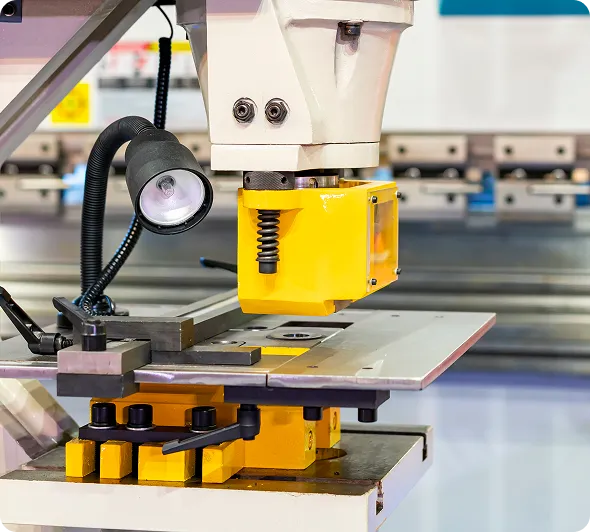
Straight blades often fail due to geometry drift (straightness/flatness), edge instability, or mounting mismatch—not simply because they aren’t sharp.
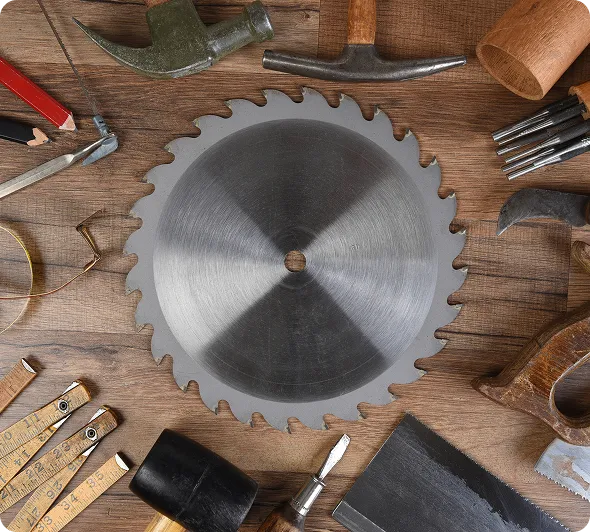
trim knives, cross-cutters, web edge control
cut-to-length, trim, cross-cut, doctoring interfaces nearby
portioning cuts, packaging line cuts, washdown environments
extrusion cut-to-length, trimming, granulation bed knives
stationary knives, impact-tolerant shear knives
Punch tooling quotes depend on both punch geometry and the mating interface. Provide what you have:
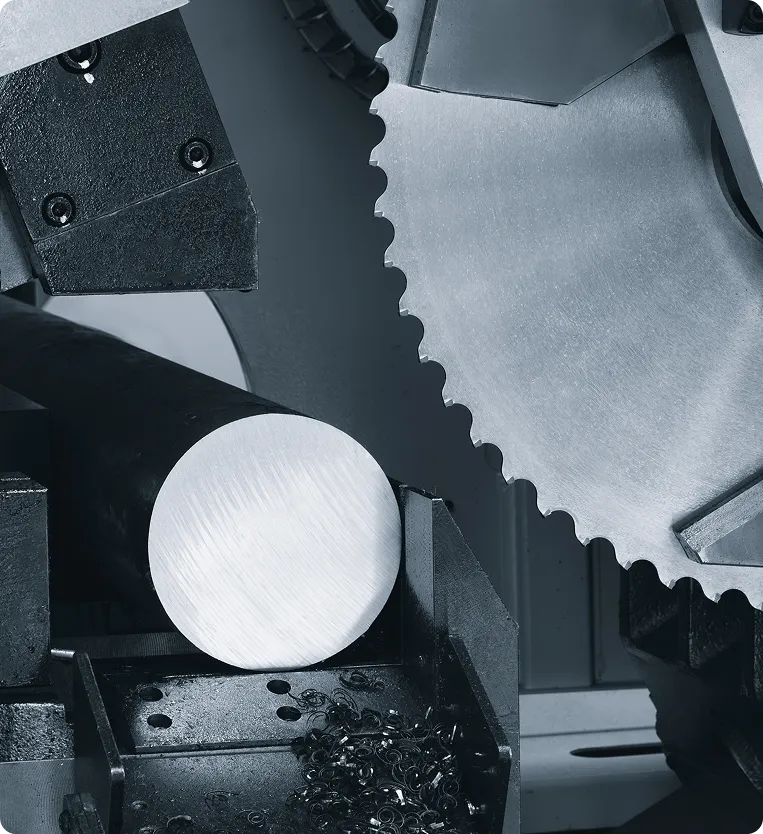
validate fit, clearance, and cut quality before scaling.
revision control to maintain geometry, material, and edge intent.
[LEAD TIME] (depends on material, heat treat, coating, and inspection scope).
[MOQ] (many straight blades can start small; volume improves pricing).
Send a drawing or sample and we’ll respond with manufacturability feedback and a defined quote scope.