
Rotor, bed, and counter knives made to print or sample—optimized for contamination, impact, and abrasion.
Recycling and shredding environments are dominated by abrasion, shock loading, contamination, and inconsistent feed. Knife performance isn’t just about hardness—many failures come from edge chipping, cracking, bolt-hole fatigue, and clearance drift, which can reduce throughput and increase fines.
Davion supplies shredder and granulator knives as made-to-print parts or build-to-sample replacements with attention to:

Specialty Blades, Straight Blades, Custom Blades (and for upstream film/plastic processing: Plastics & Rubber)
Geometry and edge stability determine how aggressively material is pulled into the cutting zone and how consistently it shears.
Clearance drift and edge wear can quickly increase fines and heat generation. Matched sets and consistent regrinds help stabilize output.
In recycling, replacement cycles are frequent; repeatability in mounting and geometry reduces setup time and performance variability.
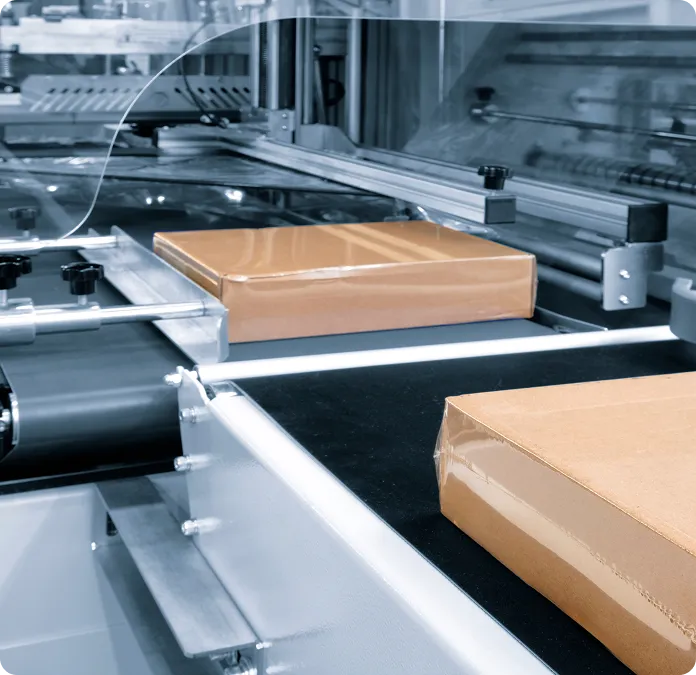
What it is: Cutting knives mounted on the rotor that drive primary size reduction.
When used: Single-shaft shredders processing plastics, paper, rubber, and mixed streams.
What it is: Stationary knives that form the shear interface with rotor knives.
When used: When clearance stability is critical to throughput and particle consistency.
What it is: Knife shapes designed to improve bite and pull material into the cut.
When used: Film, woven bags, and flexible materials that tend to wrap or slip.
What it is: Straight cutting edges used for predictable shear behavior.
When used: Rigid plastics and uniform feed streams where stable shearing is preferred.
What it is: Profiled cutting edges designed to match rotor geometry and cutting action.
When used: Machines designed around specific cutter shapes for load distribution.
What it is: Cutter elements designed to match dual-shaft shredder geometry.
When used: Where the shredder design uses intermeshing cutters rather than rotor/bed shear.
What it is: Cutting knives mounted on the rotor for size reduction.
When used: Plastics and rubber reclaim systems where wear and impact resistance are critical.
What it is: Fixed knives that create a shear interface with rotor knives.
When used: When consistent particle size and stable cutting clearance are required.
What it is: Knife packages designed and replaced as a system to maintain shear behavior.
When used: When performance drift suggests clearance mismatch or mixed knife wear.
What it is: Knife edges with step features to influence engagement and wear distribution.
When used: Applications seeking longer run life through staged edge engagement.
What it is: Material selections biased toward abrasion resistance.
When used: Filled plastics, coated materials, and streams with grit and contamination.
What it is: Knife specifications tuned toward toughness and chipping resistance.
When used: Mixed waste streams with occasional metal, glass, or hard inclusions.
What it is: Knife strategies focused on bite and heat management in elastomers.
When used: Rubber streams that deflect and generate heat, requiring controlled engagement.
What it is: Edge preparation designed to improve stability under shock.
When used: When chipping is dominant and edges fail prematurely.
What it is: Geometries designed with regrind allowance and repeatable edge restoration.
When used: When maintenance relies on regrind cycles to control cost and uptime.
What it is: Knives designed around bolt patterns, dowels, and locating surfaces.
When used: When repeatable fit and quick replacement are required during maintenance.
What it is: Components controlling knife spacing and engagement (machine-defined).
When used: When spacing directly influences cut consistency and load distribution.
What it is: Knives replicated from existing parts when drawings aren’t available.
When used: Legacy equipment or OEM parts without accessible documentation.
Common for balancing wear and toughness in shredding duty. → Materials: Carbon & Tool Steels
For extreme abrasion where justified (application dependent). → Materials: Carbide
May support wear reduction in certain streams (application dependent). → Coatings & Surface Treatments
Tuned to resist deformation while managing chipping sensitivity. → Heat Treatment & Hardness
Used only when corrosion exposure is a dominant constraint (application-defined). → Materials: Stainless Steels
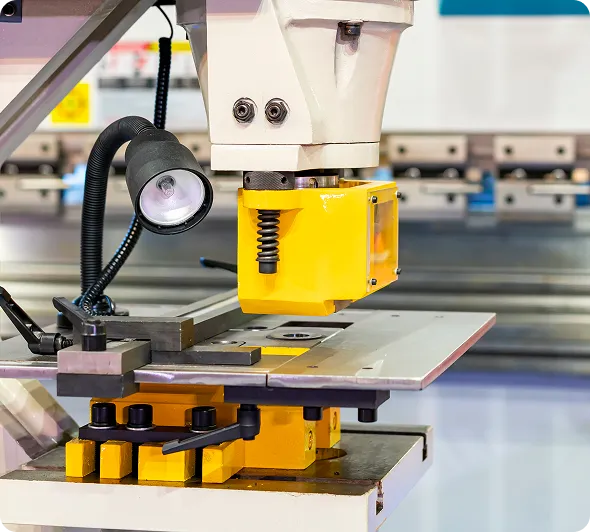
Knife sets must be repeatable—mounting mismatch and geometry drift can reduce performance even with sharp edges. Inspection scope can be aligned to:
If your line is sensitive to particle size or fines, include your target output and known constraints so inspection can align to the system behavior.
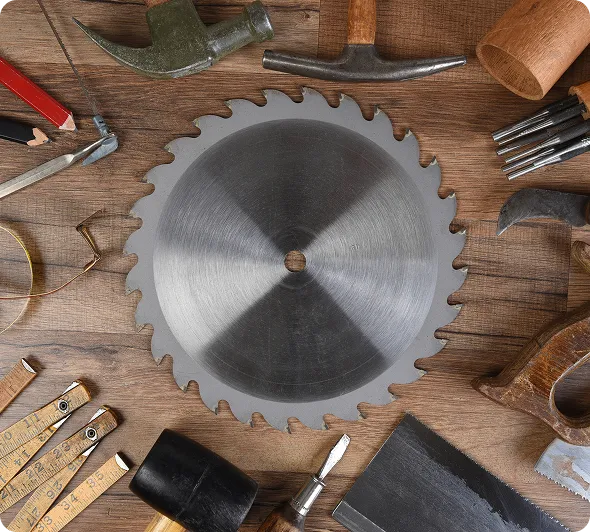
Recycling/shredding knives are used in:
Rigid plastics, film, woven bags, bottle flakes
Scrap streams requiring bite-focused cutting
Bulk reduction and size control
Contamination-driven failure modes where toughness is key
Shredding quotes are accurate when we have full set context, not just one knife. Provide what you have:
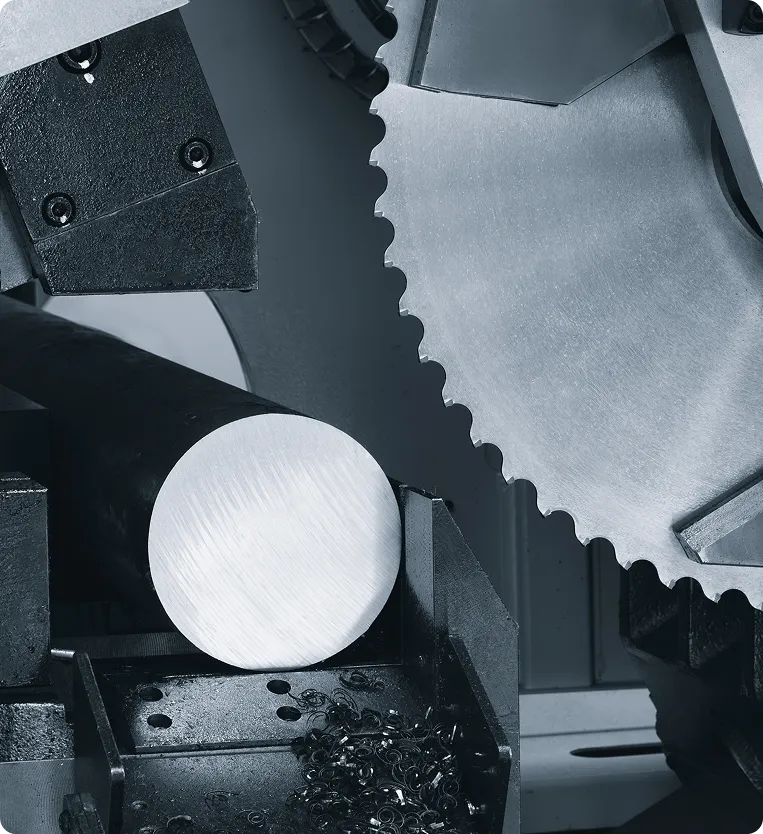
Validate wear/chipping behavior under your stream conditions.
Controlled revisions to maintain set-level geometry and interfaces.
[LEAD TIME] (depends on material, heat treat, and inspection scope).
[MOQ] (sets can start small; volume improves pricing).
Send your knife drawings or sample set and describe your material stream and failure mode. We’ll scope a quote aligned to uptime and output stability.
Chipping usually indicates impact overload, contamination, or an overly brittle hardness/toughness balance. Edge prep and heat treatment strategy are common levers to improve stability.
Fines often result from edge wear, clearance drift between rotor and bed knives, or mismatched knife sets. Restoring set-level geometry and consistent regrinds typically helps.
Often it’s beneficial to replace as matched sets when performance drift is tied to clearance mismatch or uneven wear. Set-level consistency reduces setup time and variability.
Abrasive streams accelerate wear, so wear-focused material strategies may be needed. Provide stream details and contamination level to avoid over- or under-specifying.
Yes. Sample-based matching is common for legacy machines or when drawings aren’t available, especially for complete sets and spacers.
Wrapping can be driven by geometry/bite mismatch, dull edges, or spacing issues. Hook-knife geometries and set configuration are common considerations.
Full set context (rotor/bed/counter), bolt patterns and locating features, material stream description, and the dominant failure mode (chipping/wear/fines/wrapping).
In some cases, coatings and surface treatments can help with wear, but suitability depends on impact level and stream chemistry. They’re evaluated case-by-case.