
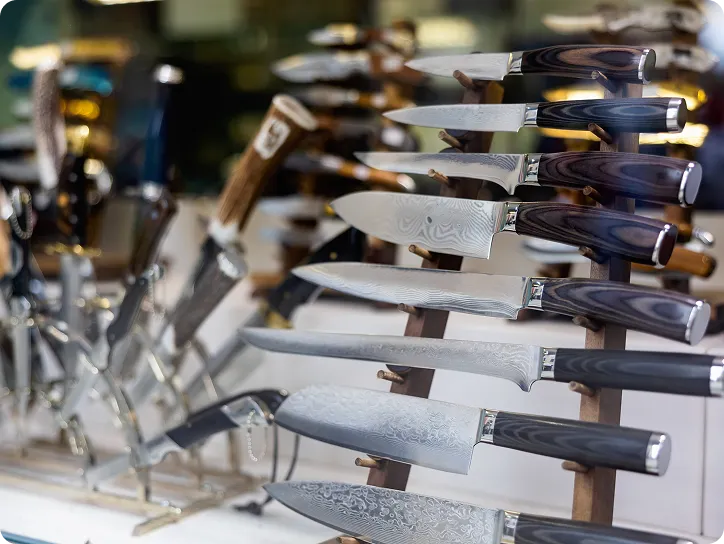
What it is: Slitter knives manufactured from carbide where wear resistance is prioritized.
When used: Abrasive webs or long-run slitting where tool steel edges lose performance too quickly.
What it is: Knife bodies with carbide at the cutting edge to improve wear life while retaining a tougher backing material.
When used: When wear is high but the station benefits from additional toughness and easier handling.
What it is: Replaceable carbide inserts used in a carrier body to reduce downtime and replacement cost.
When used: High-run operations where quick edge replacement is more efficient than full knife replacement.
What it is: Rotary knives using carbide for wear control in continuous cutting.
When used: Long-run rotary operations where edge life is the limiting factor.
What it is: Carbide strategies applied to size-reduction knives where abrasion is dominant.
When used: Regrind operations with abrasive contamination and high throughput requirements.
What it is: Carbide selection considered for shredder duty where wear dominates and impact is manageable.
When used: Specific recycling streams where abrasion is extreme and the machine can control shock loads.
What it is: Carbide edges applied to knives for abrasive engineered woods.
When used: MDF/particleboard/laminated panels where wear drives frequent tool changes.
What it is: Carbide selection focused on abrasion from fillers and reinforcements.
When used: Cutting glass-filled plastics, mineral-filled polymers, or abrasive compounds.
What it is: Carbide used where coatings create abrasive or high-wear interfaces at the edge.
When used: Coated papers/films and laminate structures that dull tool steels rapidly.
What it is: Carbide selection used where fibers/coatings create abrasive wear.
When used: Composite and specialty materials where edge wear is the limiting factor (station-defined).
What it is: Edge conditioning used to reduce chipping sensitivity at the cutting edge.
When used: When carbide chips due to shock loading, misalignment, or inclusions.
What it is: A selection choice balancing wear improvement against chipping risk and cost.
When used: When tool steel fails by wear/dulling and process conditions justify carbide’s tradeoffs.
What it is: Surface/edge finish choices that influence friction and material pickup.
When used: High-speed cuts or tacky materials where drag and heat are problematic.
What it is: Carbide knives specified with tighter control on runout-related features to reduce edge shock.
When used: Narrow slitting and high-speed rotary stations where runout drives chipping.
What it is: Reverse engineering carbide knives when drawings aren’t available.
When used: Legacy equipment or established carbide solutions that must be replicated consistently.
Tool steel alternatives and baseline selection
Corrosion-dominant selection
Coatings and surface treatments (when relevant)
Heat treat and hardness logic (for non-carbide components and system context)

validate wear improvement and confirm chipping risk is controlled.
controlled revisions to maintain format and edge intent.
[LEAD TIME] (depends on format, inspection scope, and any special requirements).
[MOQ]
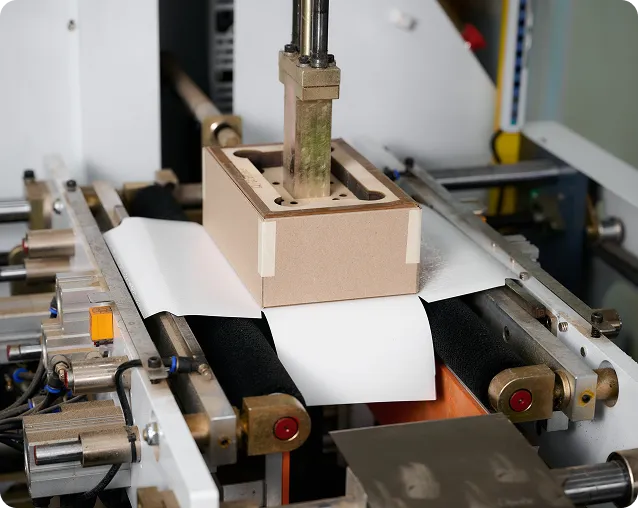
Solid carbide maximizes wear resistance; carbide-tipped designs use carbide only at the edge to improve wear while retaining a tougher backing material and potentially easier handling.