
Specify thickness, edge style, and material—get blades optimized for your coating, printing, or cleaning duty cycle.
Doctor blades and scraper blades are thin, straight blades used to meter, wipe, or clean material from rotating rolls and moving webs. In printing and coating, the blade controls film thickness and uniformity; in cleaning duties, it removes buildup without damaging the roll surface.
Because these blades operate at continuous contact, performance depends on edge geometry, thickness, straightness, material selection, and the interaction with the roll surface and chemistry. Davion supplies made-to-print blades or build-to-sample replacements designed for repeatable performance across reorders.

For other geometries, see: Custom Blades, Slitter Blades, Perforating & Serrated Blades, and Specialty Blades.
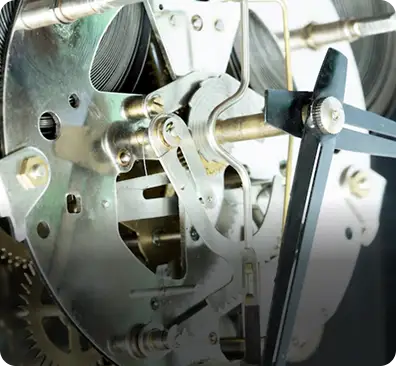
What it is: Punch tooling designed to create holes, slots, notches..
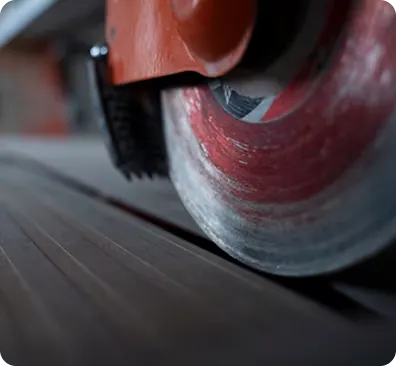
What it is: Punch tooling designed for circular holes or round cutouts..
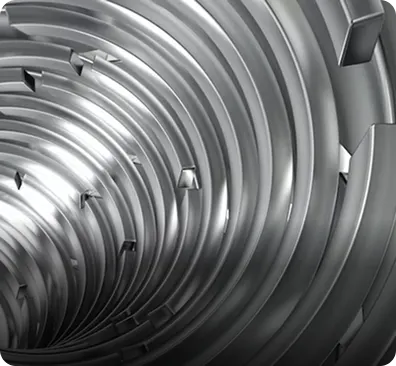
What it is: Punch tooling for rectangular windows or slots..
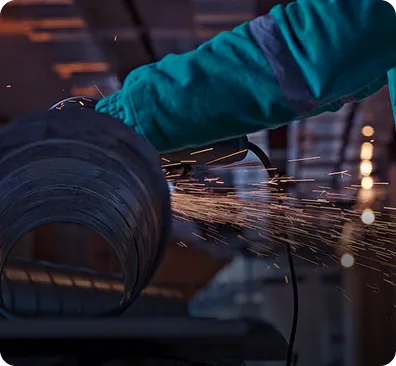
What it is: Punch knives designed to remove a notch..
What it is: Blades used to control a precise film thickness on a roll or substrate.
When used: Coating and printing processes where uniform coat weight is critical.
What it is: Blades used primarily to remove residual material from a roll surface.
When used: Lines with buildup that affects quality, traction, or downstream adhesion.
What it is: Blades designed for enclosed “chamber” systems that manage ink/coating containment and metering.
When used: When used: High-speed, controlled delivery systems where leakage control and stability matter.
What it is: Blades with multiple bevel angles or complex edge geometry.
When used: When cut quality and edge durability require more than a single bevel.
What it is: Doctor blades interacting with engraved rolls to meter transfer.
When used: When streak reduction and stable metering are primary goals.
What it is: Blades used against engraved or smooth rolls to control carryout.
When used: When print/coating uniformity depends on edge stability and contact behavior.
What it is: Blades selected for adhesive chemistry, viscosity, and pickup resistance.
When used: PSA and adhesive coating lines where buildup and stringing can occur.
What it is: Blades ground with a bevel to tune contact and metering behavior.
When used: When you need stable metering and reduced chatter in challenging conditions.
What it is: Blades with a controlled radius to soften contact and reduce damage risk.
When used: When minimizing roll wear or scratching is a priority.
What it is: Blades with a square edge for aggressive wiping and residue removal.
When used: When heavy buildup must be removed and roll surface tolerance allows it.
What it is: A reinforced edge prep added to improve edge stability.
When used: When chipping or rapid edge breakdown occurs despite adequate sharpness.
What it is: Blades with mounting holes/slots or locating features.
When used: When blade holders require fast alignment and repeatable positioning.
What it is: Thinner blades that reduce contact force and can improve sensitivity.
When used: Delicate coatings or when minimizing deflection force is important.
What it is: Thicker blades for stiffness and consistent contact under higher loads.
When used: High-viscosity materials or aggressive cleaning duties.
What it is: Blades with surface strategies aimed at reducing drag and material pickup.
When used: Tackier chemistries, heat-sensitive films, and residue-forming coatings.
What it is: Corrosion-resistant blades for wet, humid, or cleaning-intensive processes.
When used: Food-adjacent operations and environments where corrosion pits degrade performance.
What it is: Polymer-based blades used to reduce wear on delicate roll surfaces.
When used: When roll protection and reduced scratching are more important than maximum wear life.
What it is: Blades replicated from an existing sample with verified dimensions and edge style.
When used: Legacy systems or when drawings/specs are incomplete.
Doctor blade selection is driven by wear behavior, corrosion exposure, and interaction with the roll/coating chemistry.
Strong wear/toughness balance for many metering and wiping duties. → Materials: Carbon & Tool Steels
Corrosion resistance for wet/humid/washdown processes. → Materials: Stainless Steels
Can reduce friction, pickup, and wear (application dependent). → Coatings & Surface Treatments
Tuned to resist edge rollover and maintain stable contact behavior. → Heat Treatment & Hardness
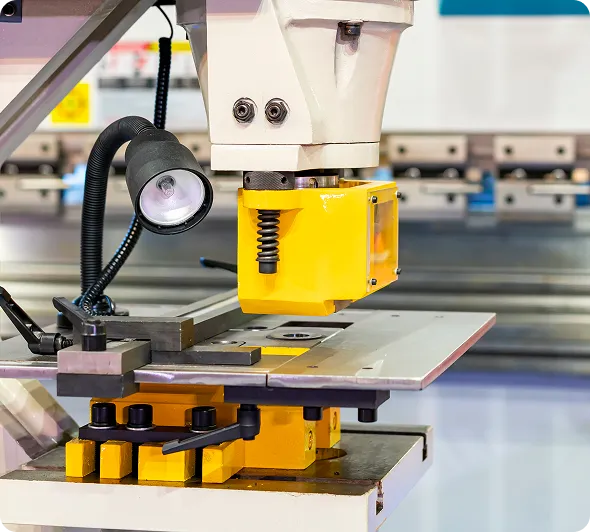
Doctoring performance is sensitive to edge consistency and straightness across the blade length. Inspection scope can be aligned to your process requirements:
If you’re experiencing streaks or chatter, include it—edge geometry, thickness, and material selection are typical levers.
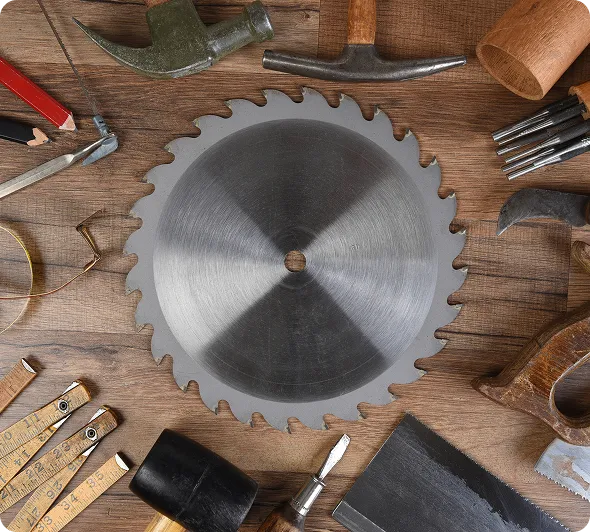
Scraper/doctor blades are common in:
Coating, laminating, and residue control
Metering/doctoring systems and related web processes
Packaging webs and washdown-adjacent processes
Film coating, release liners, and process cleanliness control
Controlled coating/handling steps (application-defined)
Doctor blades are spec-sensitive. Provide what you have:
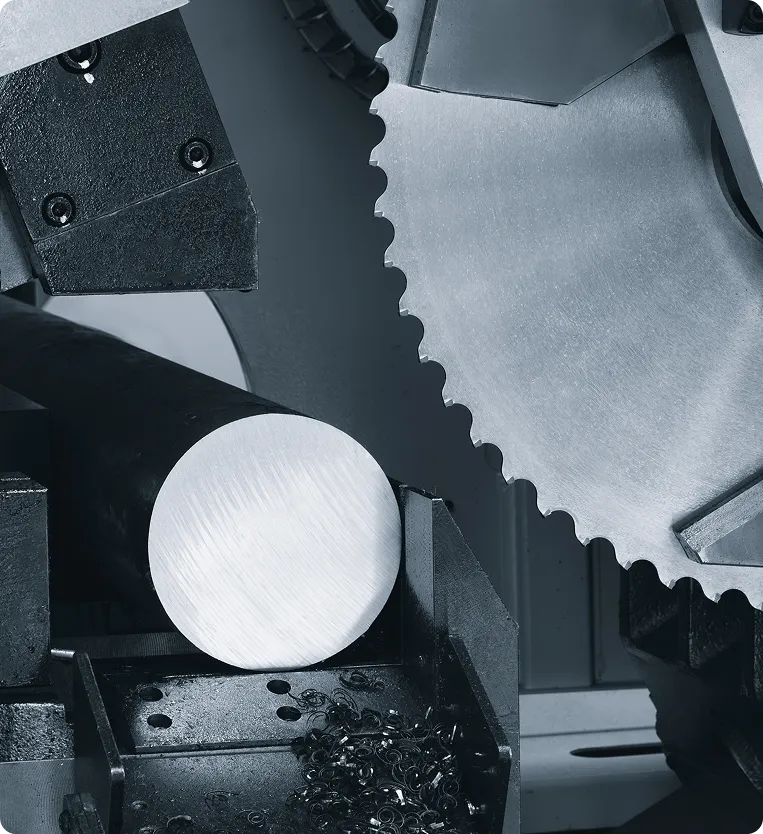
validate edge behavior, streak tendency, and wear life before scaling.
controlled revision handling for consistent edge geometry and dimensions.
[LEAD TIME] (depends on material, finishing, and inspection scope).
[MOQ] (many configurations can start small; volume improves pricing).
Send your blade dimensions and edge style—or ship a sample—and we’ll define a quote scope aligned to your process and defect targets.
Doctor blades are typically used for controlled metering and uniform film thickness, while scraper blades focus on removing buildup and cleaning surfaces. Many applications combine both functions depending on setup and chemistry.
Streaks can result from edge wear, inconsistent contact pressure, incorrect thickness/edge geometry, buildup on the blade, or roll surface conditions. Adjusting blade material, thickness, and edge prep is a common fix path.
Thickness selection depends on holder stiffness, contact pressure, line speed, and viscosity. If you share the system type and defect symptoms, we can recommend a practical thickness range.
Yes. Provide the system type, blade dimensions, and whether you need metering blades, containment blades, or both.
Steel is common for wear performance, stainless for corrosion exposure, and polymer when roll protection and reduced scratching are priorities. Selection should match chemistry and surface sensitivity.
In many cases, coatings and surface finishes reduce pickup and drag. The best option depends on the coating/adhesive chemistry and operating temperature.
Yes—send a sample or provide photos with measurements. We can quote build-to-match blades with controlled revisions for reorders.
Chatter is often linked to resonance, contact pressure, thickness selection, and edge geometry. Blade stiffness and edge prep are typical levers, along with holder condition and setup.