
Knife systems engineered to reduce dusting, fuzzing, ragged tears, streaking, and chatter—across converting and printing operations.
Paper and tissue webs are sensitive to fiber pull, dust generation, tear behavior, and tension stability. Printing and coating processes add another layer of sensitivity: the doctoring interface must maintain stable contact to avoid streaking, blade lines, and chatter.
Davion supports these operations with made-to-print blades and knife systems designed to improve:
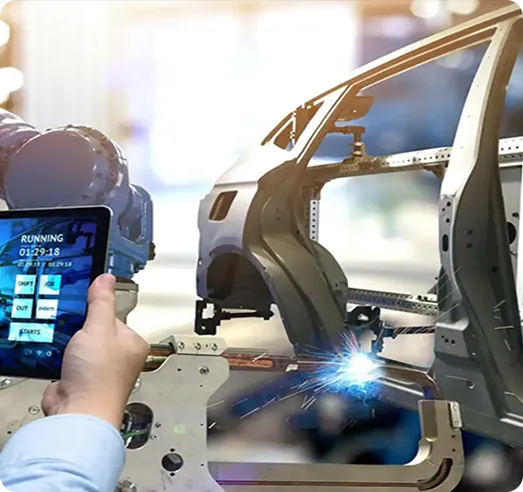
Slitter Blades, Perforating & Serrated Blades, Straight Blades, Circular Blades, Scraper / Doctor Blades, Custom Blades
What it is: Matched top/bottom knives that shear the web cleanly.
When used: Paper and board where edge cleanliness and low dust are required.
What it is: Knives that crush tissue against a hardened shaft/anvil.
When used: Tissue converting where crush slitting is commonly used for process stability.
What it is: Knives designed to score against an anvil/backing rather than pure shear.
When used: Certain coated papers where scoring improves separation control.
What it is: Knife/edge selection aimed at reducing dust generation.
When used: When dust impacts print quality, contamination, or housekeeping.
What it is: Edge geometry strategies to reduce fiber pull and fuzzing.
When used: Tissue and nonwoven webs where edge cleanliness affects downstream bonding.
What it is: Rotary tooth-pattern wheels creating controlled tear lines.
When used: Paper towel converting where tear strength must be consistent roll-to-roll.
What it is: Perforation tooling tuned to tissue basis weight and desired tear feel.
When used: Consumer tissue rolls where “easy tear” and “hold strength” must be balanced.
What it is: Perforation tools designed for predictable tearing in narrow webs.
When used: POS rolls, tickets, and transactional paper formats.
What it is: Straight blades used for cross-cut or cut-to-length stations.
When used: Converting lines requiring repeatable sheet length or intermittent cutting.
What it is: Straight shear blades that cut stacked sheets or cut-to-length sheets.
When used: Sheet finishing operations where straightness and clearance control matter.
What it is: Blades used to remove edge trim and stabilize winding.
When used: When edge defects or trim instability drive roll quality issues.
What it is: Circular knives used for cross-cut/cut-to-length on moving webs or sheets.
When used: When production requires repeatable length and continuous motion.
What it is: Blades that meter or wipe coatings/inks from rolls.
When used: When print/coating uniformity depends on stable edge contact.
What it is: Blades designed for enclosed chamber systems to stabilize fluid delivery.
When used: High-speed systems where leak control and metering stability matter.
What it is: Doctor blades interacting with engraved rolls to meter transfer.
When used: When streak reduction and stable metering are primary goals.
What it is: Specialty knives selected for corrosion exposure and cleaning environments.
When used: Washdown, humid processes, and food-adjacent operations.
What it is: Surface strategies to reduce buildup and drag.
When used: Coated papers and adhesive-like chemistries that tend to foul blades.
What it is: Replacement blades replicated from a sample when drawings aren’t available.
When used: Legacy equipment or OEM parts without accessible documentation.
These operations typically fail by wear (dulling/dusting), edge damage (chipping), corrosion/pitting, or pickup.
Common for slitting/cross-cut wear/toughness balance. → Materials: Carbon & Tool Steels
For corrosion exposure and humid/wet environments. → Materials: Stainless Steels
For abrasive duty cycles (application dependent). → Materials: Carbide
Can reduce pickup and wear; selection depends on chemistry and temperature. → Coatings & Surface Treatments
tuned to maintain edge stability without brittle chipping. → Heat Treatment & Hardness
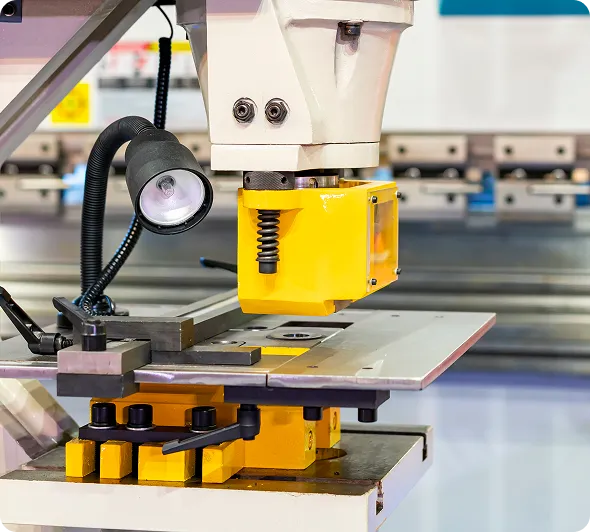
In paper/tissue/printing, consistency drives yield. Inspection scope can be aligned to your critical outcomes:
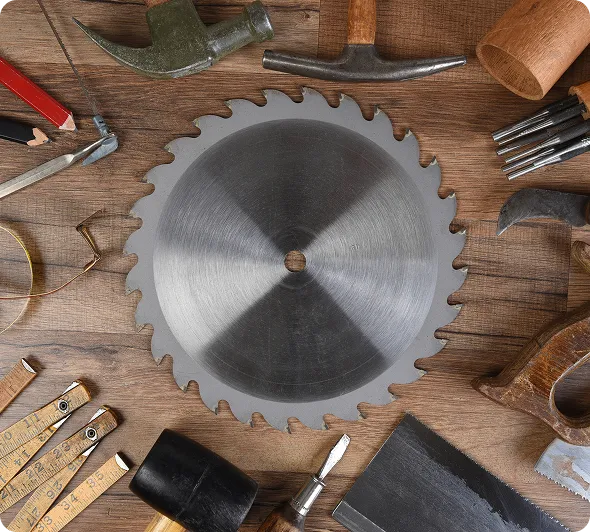
Scraper/doctor blades are common in:
Coating, laminating, and residue control
Metering/doctoring systems and related web processes
Packaging webs and washdown-adjacent processes
Film coating, release liners, and process cleanliness control
Controlled coating/handling steps (application-defined)
Provide what you have—minimum is fine. The fastest quotes include both geometry and process context.
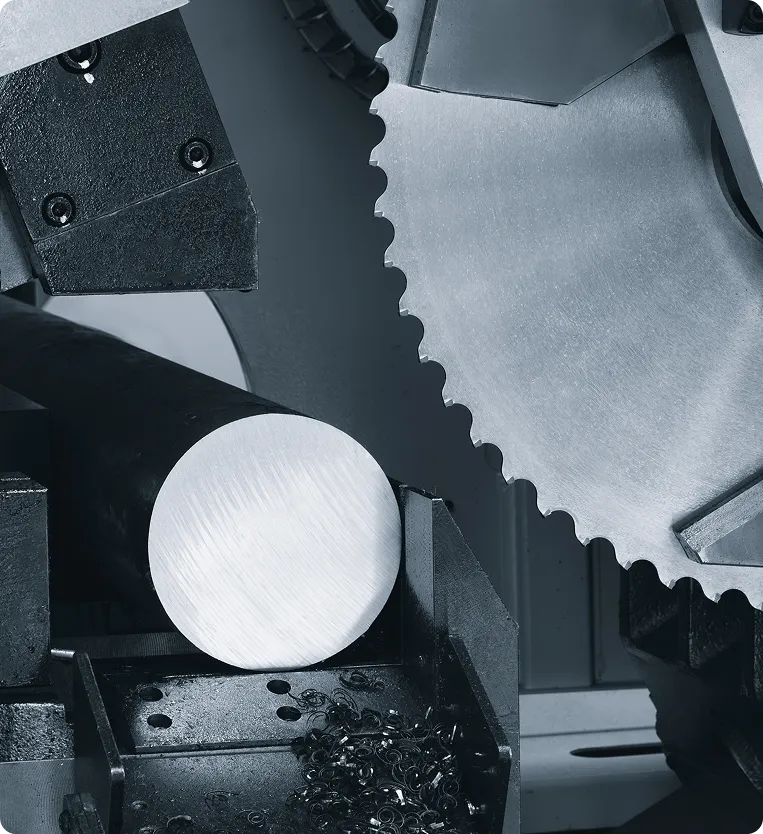
Validate edge quality, tear behavior, and metering stability before scaling.
Controlled revisions to maintain geometry and performance intent.
[LEAD TIME] (depends on material, heat treat, coatings, and inspection scope).
[MOQ] (many items can start small; volume improves pricing).
Send your blade specs and defect description (dusting, fuzzing, streaking, chatter), and we’ll scope a quote aligned to your process.
Dusting can come from edge wear, incorrect overlap/clearance, runout/stack variation, or using a slitting method that doesn’t match the paper grade and coating.
Fuzzing is often driven by edge geometry mismatch, excessive penetration, dull edges, or an unsuitable slitting method (crush vs shear). Material variability can amplify the effect.
Perforation is defined by pitch, tie width, and penetration depth. Share tissue basis weight and desired tear feel (easy tear vs secure hold) to define a practical pattern.
These issues often link back to slit edge quality, lane variation from runout, and tension/alignment. Knife sets, spacers, and mounting repeatability are key contributors.
It depends on station design (rotary cut-off vs guillotine) and web speed. Provide your station type and material thickness to select the right knife geometry.
Streaking and chatter can result from edge wear, thickness/edge geometry mismatch, buildup, holder condition, or unstable contact pressure. Blade thickness and edge prep are common levers.
Yes—send a sample or provide clear photos and measurements. We support build-to-sample replacements with controlled revisions for reorders.
In many cases, coatings and surface finishes reduce pickup and drag, but suitability depends on chemistry and operating temperature.