

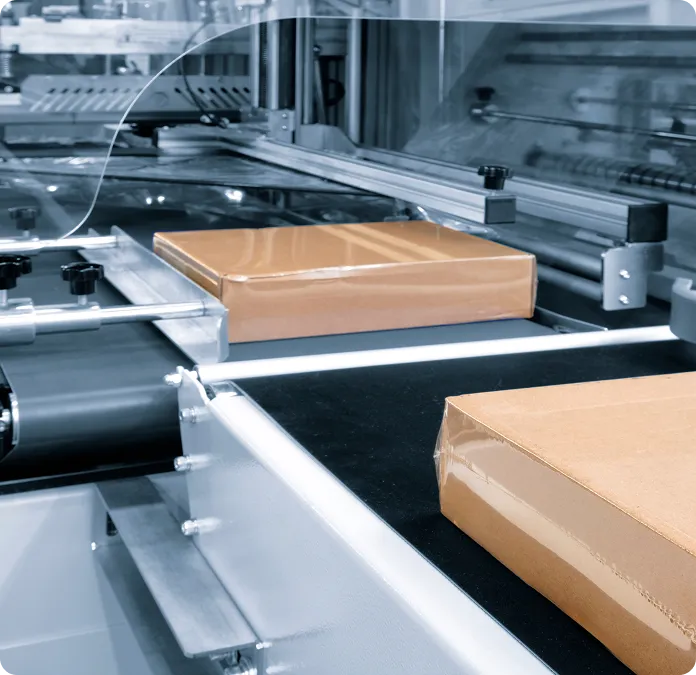
What it is: Straight knives used for slicing and trimming operations in machine stations.
When used: When consistent slice thickness and clean cut surfaces are required.
What it is: Rotary knives used for continuous slicing or cut-off style operations.
When used: High-throughput lines where rotary motion supports speed and consistency.
What it is: Blades designed around portioning fixtures and guides to control geometry.
When used: When weight/size consistency and cut appearance directly impact yield.
What it is: Crosscut knives used in dicing systems to define cube length.
When used: Vegetable and protein dicing where uniform geometry reduces waste.
What it is: Knife sets that work together to create a grid cut pattern.
When used: When cube consistency depends on matched knife geometry and alignment.
What it is: Serrated edges that increase bite and reduce slip at initiation.
When used: Soft, skin-on, or slippery products where smooth blades tend to skid.
What it is: Edge patterns that tune engagement and cutting feel (application-defined).
When used: When product texture benefits from progressive engagement rather than a single edge.
What it is: Blades used to trim product edges or remove scrap material.
When used: When consistent product shape and downstream handling require clean edges.
What it is: Blades used to cut product to length on moving conveyors (station-defined).
When used: When production requires consistent lengths without stopping flow.
What it is: Blades specified with edge reinforcement and toughness balance.
When used: When chipping and cracking are the dominant failure modes.
What it is: Blades designed around locating features for fast, repeatable replacement.
When used: High-changeover operations where downtime and alignment are critical.
What it is: Blades used to cut packaging webs within food production areas.
When used: When film cut quality and hygiene exposure require corrosion-aware specs.
What it is: Formed or profiled blades designed around a specific machine station.
When used: When standard straight/circular blades cannot meet the geometry requirements.
What it is: Stainless-selected blades for wet, humid, and cleaning-intensive environments.
When used: When corrosion pitting drives early failure and degrades cut quality.
What it is: Surface strategies to reduce residue buildup and drag.
When used: Sticky products or packaging adhesives that foul edges and guides.
What it is: Scraper blades used to remove buildup from surfaces or guides (process-defined).
When used: When buildup impacts product handling, sanitation, or cut consistency.
What it is: Blades replicated from existing parts when drawings are not available.
When used: Legacy equipment or OEM parts without accessible documentation.
corrosion resistance for washdown/humid environments. → Materials: Stainless Steels
wear/toughness options where corrosion exposure is controlled. → Materials: Carbon & Tool Steels
for abrasive or extreme wear needs (application dependent). → Materials: Carbide
may help with wear or pickup (application dependent). → Coatings & Surface Treatments
tuned for edge holding vs chipping resistance, especially on harder products. → Heat Treatment & Hardness
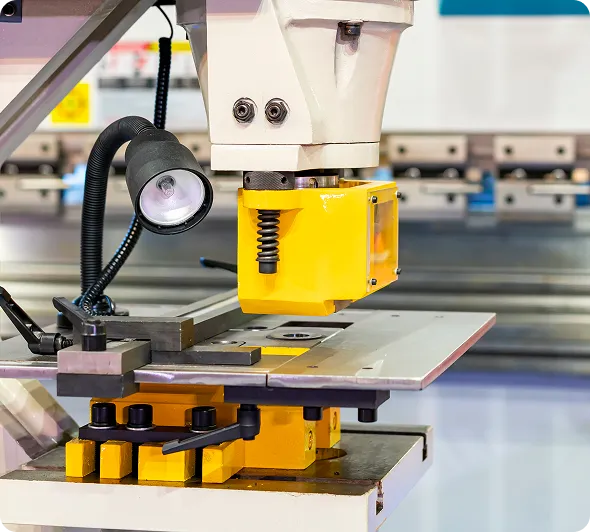
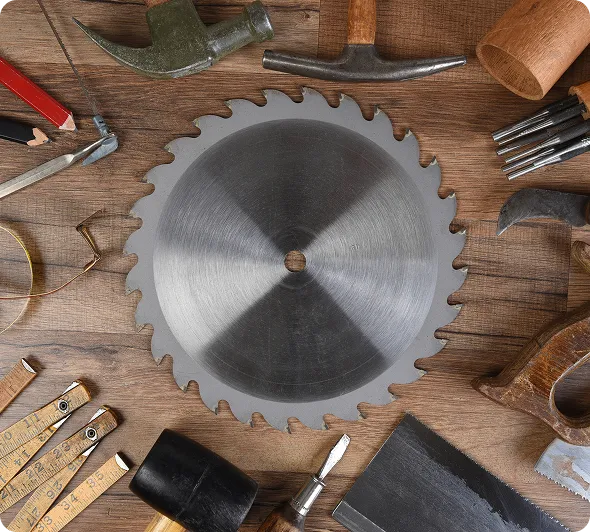
slicing, portioning, trimming (application-defined)
dicing, slicing, cross-cut operations
portioning, scoring, cut-to-length (station-defined)
film/web cut-off, perforation, trim
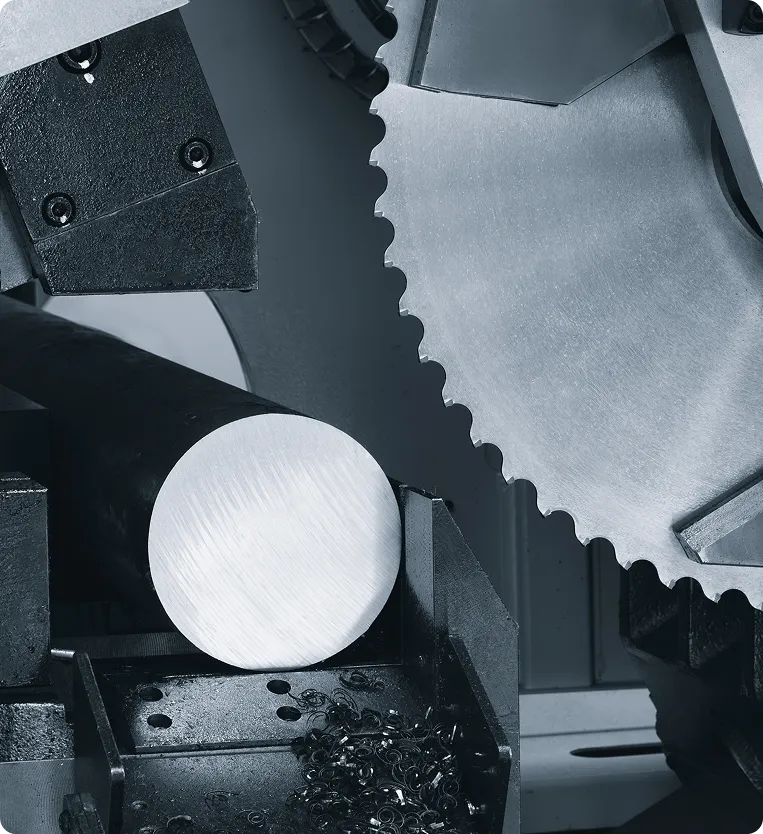
validate fit and cut quality before scaling across lines.
controlled revisions for consistent geometry and edge intent.
[LEAD TIME] (depends on material, finishing, and inspection scope).
[MOQ] (can start small; volume improves pricing).