

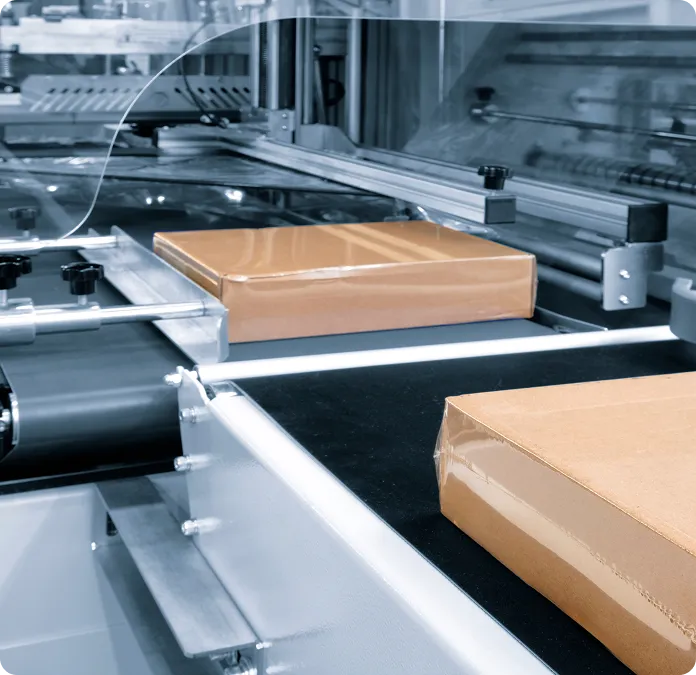
What it is: Matched slitter knife sets optimized for clean slitting of breathable sterile packaging webs.
When used: When fiber pull, edge fuzz, or seal-area contamination is a concern.
What it is: Top/bottom slitting knives used to split pouch or lidding rollstock into lanes.
When used: Narrow slit widths and high lane counts where runout shows up as lane variation.
What it is: Knives that score against an anvil/backing rather than full shear.
When used: Laminate structures where scoring stabilizes separation and reduces tearing.
What it is: Knife and surface strategies to reduce pickup and drag from adhesives.
When used: Medical tapes, adhesive films, and linered materials that foul edges.
What it is: Serrated edges that improve bite and reduce slip at initiation.
When used: Soft laminates and certain nonwovens/films where smooth edges skid.
What it is: Rotary perforation tooling that creates controlled tear lines and opening features.
When used: Medical pouches and packs requiring repeatable opening performance.
What it is: Fine-pitch perforation tools used for controlled separation or functional micro-perf patterns.
When used: When aesthetics, low dust, and consistent performance are required on thin webs.
What it is: Perforation designed to repeat and align with printed or functional zones.
When used: Packaging formats where tear features must align with seals, labels, or formed features.
What it is: Circular knives used for cut-to-length in continuous motion.
When used: High-speed packaging lines where stopping is not feasible.
What it is: Straight knives used for intermittent cutting and cross-cut stations.
When used: When cut length precision and clean edges matter more than continuous motion.
What it is: Trim knives selected to cut without nicking or damaging adjacent seal areas.
When used: When seal integrity and cosmetic requirements are sensitive to edge defects.
What it is: Knife geometries aimed at reducing fiber pull and fuzzing.
When used: Drapes, gowns, wipes, and filter media where particulates must be controlled.
What it is: Trimming knives used to cut or trim thermoformed packaging features.
When used: Blister-style formats where edge quality and dimensional control affect assembly.
What it is: Cut-off blades designed for lidding and cover films.
When used: When cut consistency impacts downstream sealing and placement.
What it is: Blades used to cut flexible or semi-rigid tubing to length.
When used: When burr control and cut squareness/consistency affect assembly fit.
What it is: Blades selected to reduce burr and edge whitening on thin plastics.
When used: Device components where cosmetic and dimensional edges are critical.
What it is: Blades used to meter or wipe coatings on roll-based processes.
When used: When uniform coating and low defect risk depend on stable metering.
What it is: Replacement blades replicated from existing parts when drawings are not available.
When used: Legacy stations or OEM parts without accessible documentation.
for corrosion exposure and cleaning-intensive environments (application-defined). → Materials: Stainless Steels
for controlled environments where wear/toughness balance is needed. → Materials: Carbon & Tool Steels
for abrasive duty or long-run wear needs (application dependent). → Materials: Carbide
may reduce pickup and wear (application dependent; define constraints). → Coatings & Surface Treatments
tuned to resist edge breakdown without brittle chipping in thin-gauge cutting. → Heat Treatment & Hardness
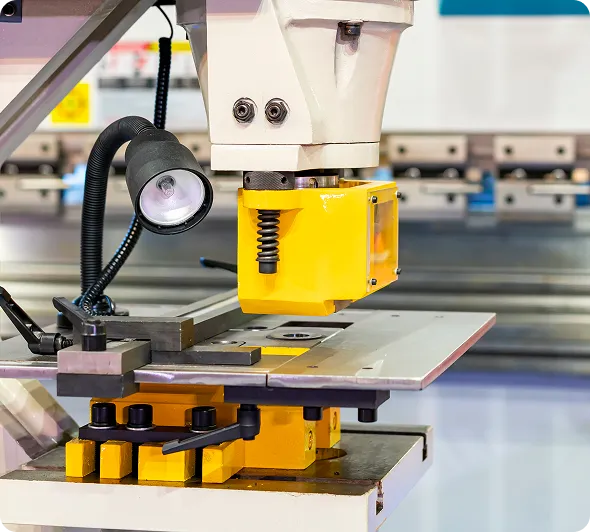
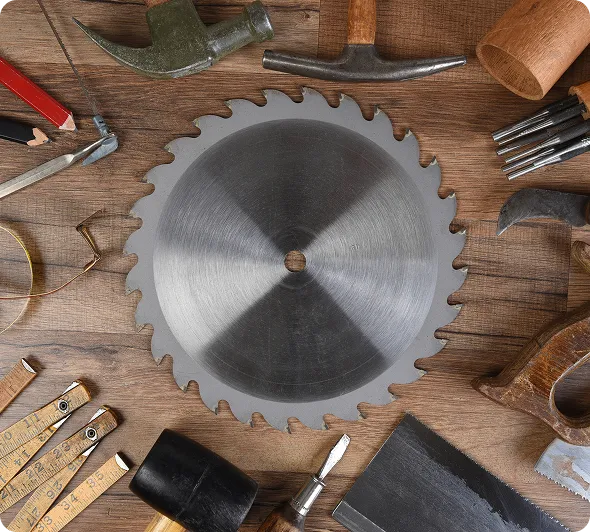
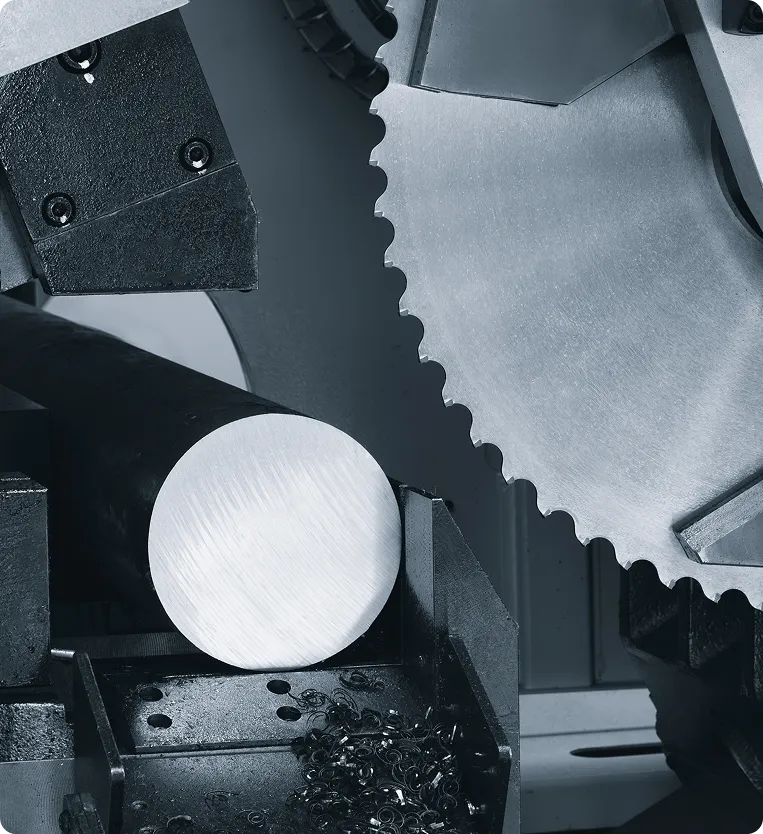
validate edge quality, tear behavior, and lane stability before scaling.
controlled revisions to maintain geometry and process intent.
[LEAD TIME] (depends on material, finishing, and inspection scope).
[MOQ] (many items can start small; volume improves pricing).