Carbide for Extreme-Wear Blade Applications

Use carbide where abrasion dominates—filled polymers, coatings, grit, and long runs—while managing impact and chipping risk through format and edge strategy.

Carbide Solves Wear, Not Every Cutting Problem

Carbide (often tungsten carbide) is selected for industrial knives when the dominant problem is abrasive wear—for example, cutting filled polymers, coated webs, gritty recycled streams, or high-run applications where tool steels dull too quickly.
Carbide is not automatically “better” than tool steel. The tradeoff is typically:
Correct results come from choosing the right carbide format (solid, tipped, inserts) and aligning edge geometry, mounting, and inspection to the station.
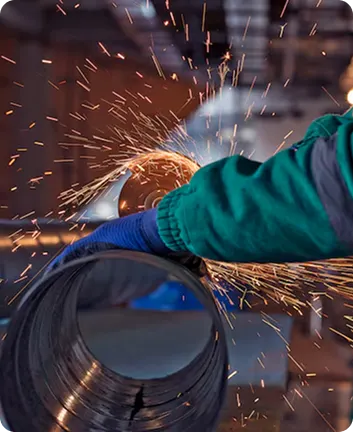
Metal Processing

How We Apply Carbide in Knife Designs

When carbide is specified, Davion aligns the build around:
For most general-purpose knives, start with Carbon & Tool Steels. If corrosion is dominant, see Stainless Steels.
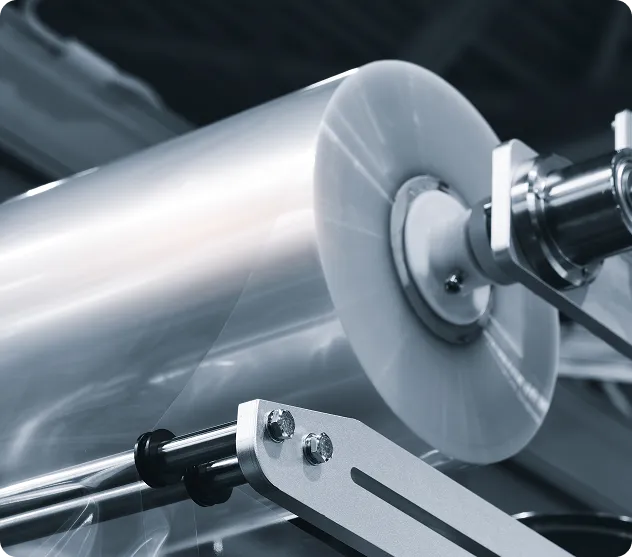
Converting Requires

Three Questions That Decide Carbide

Is abrasion the dominant failure mode?
If you see rapid dulling, dusting, burr growth, or edge rounding due to fillers/coatings/grit, carbide may be justified.
If the stream includes hard inclusions or the station has shock loading, carbide may chip unless the format and edge strategy are designed to tolerate it.
Some operations benefit from insertable/replaceable carbide edges; others prefer solid carbide for maximum wear resistance and stable geometry.
How We Apply Tool Steel Selection in Knife Builds

High-Wear Blade Materials

Extreme Wear Resistance for Demanding Applications

Carbide blades are used where conventional steels wear too quickly. Their high hardness delivers long edge life in abrasive, high-cycle, and filler-loaded materials. We help match carbide grade and edge geometry to your application to balance wear resistance and edge integrity.

Request a Carbide Blade Quote

Share your material and wear issues—we’ll recommend the right carbide solution.
Carbide Blades  |  Tungsten Carbide  |  Wear-Resistant  |  High-Durability  |  Abrasive Cutting
Designed for long service life in high-wear conditions.

Applications & Variants (Carbide Formats & Use-Cases)

Solid Carbide Slitter Knives (Spec-Driven)

What it is: Slitter knives manufactured from carbide where wear resistance is prioritized.

When used: Abrasive webs or long-run slitting where tool steel edges lose performance too quickly.

Carbide-Tipped Knives (Brazed/Attached Tip, Application-Defined)

What it is: Knife bodies with carbide at the cutting edge to improve wear life while retaining a tougher backing material.

When used: When wear is high but the station benefits from additional toughness and easier handling.

Insertable Carbide Cutting Elements (Modular Designs)

What it is: Replaceable carbide inserts used in a carrier body to reduce downtime and replacement cost.

When used: High-run operations where quick edge replacement is more efficient than full knife replacement.

Carbide Rotary Knives (Trim/Cut-Off, Spec-Driven)

What it is: Rotary knives using carbide for wear control in continuous cutting.

When used: Long-run rotary operations where edge life is the limiting factor.

Carbide Granulator Knives (Application-Defined)

What it is: Carbide strategies applied to size-reduction knives where abrasion is dominant.

When used: Regrind operations with abrasive contamination and high throughput requirements.

Carbide Shredder Knives (Application-Defined)

What it is: Carbide selection considered for shredder duty where wear dominates and impact is manageable.

When used: Specific recycling streams where abrasion is extreme and the machine can control shock loads.

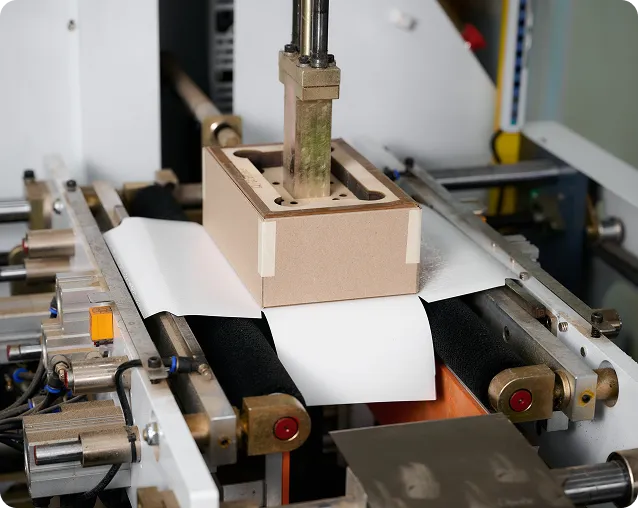
Carbide-Tipped Woodworking Knives (Engineered Panels)

What it is: Carbide edges applied to knives for abrasive engineered woods.

When used: MDF/particleboard/laminated panels where wear drives frequent tool changes.

Carbide for Filled Plastics (Glass/Mineral Filled)

What it is: Carbide selection focused on abrasion from fillers and reinforcements.

When used: Cutting glass-filled plastics, mineral-filled polymers, or abrasive compounds.

Carbide for Coated Webs and Laminates (Spec-Driven)

What it is: Carbide used where coatings create abrasive or high-wear interfaces at the edge.

When used: Coated papers/films and laminate structures that dull tool steels rapidly.

Carbide for Nonwovens/Composites (Application-Defined)

What it is: Carbide selection used where fibers/coatings create abrasive wear.

When used: Composite and specialty materials where edge wear is the limiting factor (station-defined).

Edge-Reinforced Carbide (Micro-Bevel / Honed Edge)

What it is: Edge conditioning used to reduce chipping sensitivity at the cutting edge.

When used: When carbide chips due to shock loading, misalignment, or inclusions.

Carbide vs Tool Steel Decision Point

What it is: A selection choice balancing wear improvement against chipping risk and cost.

When used: When tool steel fails by wear/dulling and process conditions justify carbide’s tradeoffs.

Carbide Surface Finish Strategy (Drag and Pickup Considerations)

What it is: Surface/edge finish choices that influence friction and material pickup.

When used: High-speed cuts or tacky materials where drag and heat are problematic.

Runout-Controlled Carbide Knife Builds (Spec-Driven)

What it is: Carbide knives specified with tighter control on runout-related features to reduce edge shock.

When used: Narrow slitting and high-speed rotary stations where runout drives chipping.

Sample-Based Carbide Knife Matching

What it is: Reverse engineering carbide knives when drawings aren’t available.

When used: Legacy equipment or established carbide solutions that must be replicated consistently.

Materials, Heat Treat & Coatings (Brief + Cross-Links)

Carbide selection often replaces the need for extreme hardness heat treat, but system-level choices still matter:

Carbon & Tool Steels

Tool steel alternatives and baseline selection

Stainless Steels

Corrosion-dominant selection

Coatings & Surface Treatments

Coatings and surface treatments (when relevant)

Heat Treatment & Hardness

Heat treat and hardness logic (for non-carbide components and system context)

How We Apply Tool Steel Selection in Knife Builds

Quality & Inspection (No Fake Certs)

Carbide performance depends heavily on geometry control and edge integrity. Inspection scope can be aligned to:
Quality & Inspection

Typical Applications — Where Carbide Is Often Considered

Carbide is frequently evaluated for:
How We Apply Tool Steel Selection in Knife Builds

What We Need From You to Quote (Checklist)

Carbide quotes depend on your wear mechanism and your impact risk. Provide what you have:

Files & geometry

Station and knife format

Material being cut

Operating conditions

Failure mode

Commercial & documentation

Prototyping, Repeat Orders & Lead Time

Prototype builds

validate wear improvement and confirm chipping risk is controlled.

Repeat orders

controlled revisions to maintain format and edge intent.

Typical lead time

[LEAD TIME] (depends on format, inspection scope, and any special requirements).

MOQ

[MOQ]

Prototyping, Repeat Orders & Lead Time

Determine If Carbide Is the Right Upgrade

Share your application and failure mode and we’ll recommend whether carbide (and which format) is justified.

Frequently Asked Questions

When should I switch from tool steel to carbide?
When abrasion is clearly the dominant failure mode and tool steel wear causes frequent downtime. If impact and contamination are high, carbide may chip unless format and edge strategy are designed accordingly.

Solid carbide maximizes wear resistance; carbide-tipped designs use carbide only at the edge to improve wear while retaining a tougher backing material and potentially easier handling.

Chipping often comes from shock loads, inclusions in the cut material, misalignment, or runout/clearance issues that introduce edge impact. Edge reinforcement and geometry control are common mitigation levers.
Not always. Carbide can outperform in abrasion-dominant conditions, but it can underperform when impact/chipping is the primary risk or when setup conditions are unstable.
Many carbide edges can be re-ground, but strategy depends on the knife format and geometry. Regrind allowances and edge intent should be defined during quoting.
Often, yes—especially when downtime cost is high and inserts allow fast replacement. It depends on station design and whether the cutting edge can be modular.
Coatings can help with wear or pickup in certain cases, but they don’t replace carbide when abrasion is extreme. Selection depends on the wear mechanism and constraints like regrind.
Yes. Sample-based matching is supported; include station context and the primary failure mode so the replacement maintains functional intent.