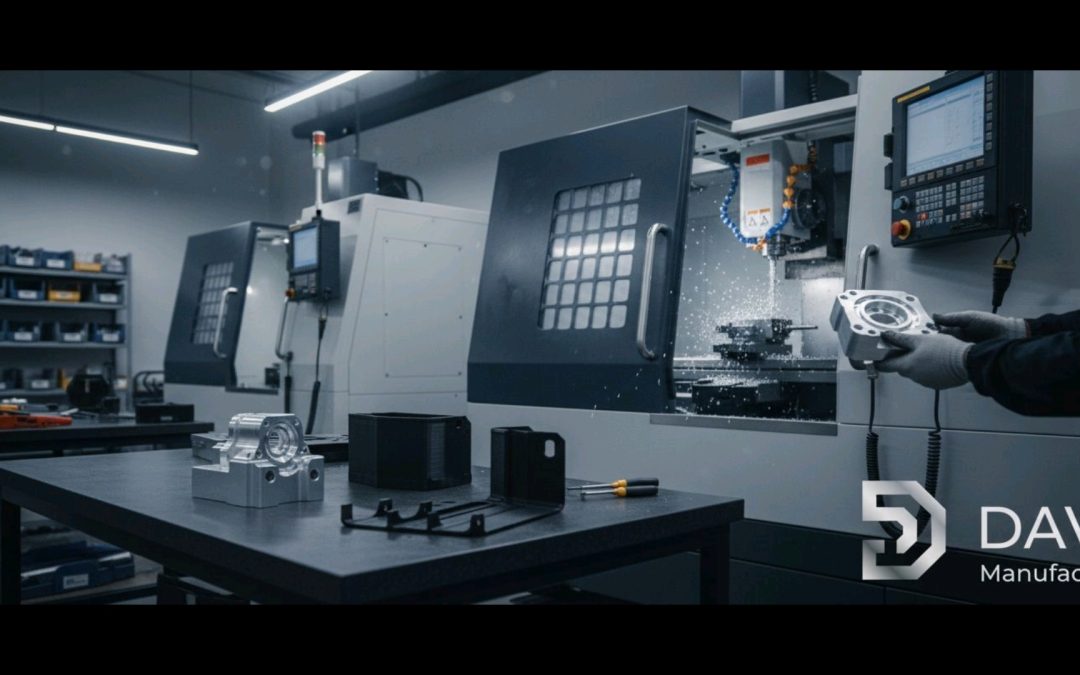

Choosing the right manufacturing partner is one of the most consequential decisions a product team can make, especially when it comes to injection molding. Whether you are a startup preparing for your first production run, an OEM scaling an existing component, or an engineer evaluating multiple suppliers for a new project, the supplier you select will directly influence part quality, lead times, tooling costs, and long-term production reliability.
Knowing what I should ask a supplier before choosing injection molding or die casting is not always straightforward, particularly for teams without deep manufacturing experience. The right questions reveal far more than a price quote.
They uncover how a supplier manages quality, what materials and processes they have access to, how they handle tooling ownership, and whether their production capacity aligns with your project requirements. This checklist-style guide covers the key areas to explore before committing to a supplier, helping you make a more informed and confident decision.
Why Supplier Evaluation Matters More Than Price
It is tempting to select a manufacturing partner based primarily on unit cost, particularly under budget pressure. However, a low quote that results in inconsistent part quality, extended lead times, or tooling that you do not own creates far greater expense over the lifecycle of a product.
A thorough evaluation process reduces the risk of costly mistakes by surfacing potential issues before production begins. Understanding what to ask a supplier before choosing an injection molding service or die casting allows buyers to compare suppliers on factors that determine long-term value: quality systems, material knowledge, tooling infrastructure, and capacity to grow with your project.
Questions About Quality Standards
Quality is the foundation of any reliable manufacturing relationship. Before engaging a supplier, it is important to understand how they define, measure, and maintain quality across their production processes.
What quality certifications does the supplier hold?
ISO 9001 certification is the baseline standard for quality management systems in manufacturing. Suppliers holding this certification have documented processes for quality control, corrective action, and continuous improvement. For industries such as medical devices, automotive, or aerospace, additional certifications such as ISO 13485 or IATF 16949 may be relevant.
Ask for copies of current certifications and check their validity dates. A supplier unable to produce current certification documentation is a significant concern.
How are parts inspected during and after production?
Ask specifically about in-process inspection rather than only end-of-line checks. Reliable suppliers conduct dimensional inspection at multiple stages, use calibrated measurement equipment, and maintain inspection records that can be shared with the customer. Coordinate measuring machines, optical comparators, and statistical process control are indicators of a mature quality system.
What happens when a part fails inspection?
Understanding the non-conformance process tells you how a supplier responds when things go wrong. A well-structured quality system includes documented corrective and preventive action procedures, root cause analysis, and a clear communication process with the customer. A supplier who cannot describe this process clearly may not have one.
Quality standards in manufacturing are not a single checkpoint but an ongoing discipline. Suppliers who treat quality as a system rather than a final inspection are significantly more reliable over the long term.
Questions About Material Options
Material selection has a direct impact on part performance, appearance, durability, and cost. A capable supplier should be able to guide material selection based on the application requirements rather than simply processing whatever material the customer specifies.
What materials do you regularly work with?
For plastic injection molding, the range of available materials is broad, covering commodity plastics such as polypropylene, ABS, and polyethylene through to engineering-grade materials including nylon, polycarbonate, PEEK, and glass-filled variants. For die casting, the primary materials are aluminium, zinc, and magnesium alloys, each with different mechanical properties and cost profiles.
Ask whether the supplier has experience with the specific material your application requires, not just whether they can theoretically process it. Experience matters because different materials behave differently during processing, and a supplier without hands-on knowledge of a specific material is more likely to produce quality issues.
Can you advise on material substitutions if needed?
Supply chain disruptions, cost pressures, or performance requirements may make a material substitution necessary during a project’s lifecycle. A knowledgeable supplier should be able to recommend alternatives that meet the functional requirements of the part without requiring significant tooling changes.
Do you have access to certified or traceable materials?
For regulated industries, material traceability is a requirement rather than a preference. Ask whether the supplier can provide material certificates and confirm how they store and manage material documentation across production runs.
Material options are one of the clearest indicators of a supplier’s technical depth. Suppliers with broad material knowledge and strong relationships with material distributors are better positioned to support complex or demanding applications.
Questions About Tooling Capabilities
Tooling is one of the largest upfront investments in injection molding and die casting, and the decisions made at the tooling stage affect part quality for the entire production lifecycle.
Who owns the tooling once it is built?
This is one of the most important questions to ask before signing any agreement. In many supplier relationships, the customer pays for tooling but the mold or die remains physically at the supplier’s facility. The ownership question determines whether you can move the tooling to a different supplier if the relationship does not work out.
Ensure that tooling ownership is clearly stated in the contract, and confirm what conditions apply if you wish to transfer the tool to another facility.
What is your tooling design and build process?
Ask whether the supplier designs and builds tooling in-house or subcontracts it to a third party. In-house tooling capability generally means faster turnaround, better communication during the design phase, and more direct accountability for tooling quality. Subcontracted tooling introduces an additional layer of complexity and potential delay.
How do you manage tooling maintenance and repair?
Tooling degrades over time through use. Ask about the supplier’s maintenance schedule for molds and dies, how they track tool condition, and what the process is for repair or modification if a design change is needed after production begins.
Tooling capabilities determine not only the quality of the initial part but the consistency of every part produced from that tool over thousands or millions of cycles. This is an area where thorough questioning pays dividends.
Questions About Production Capacity
A supplier may be technically capable but operationally unable to meet your volume requirements on the timelines your project demands. Production capacity questions help identify whether a supplier can genuinely support your project, not just win the business.
What is your current production capacity, and how is it allocated?
Ask about machine availability, shift patterns, and how capacity is managed during peak demand periods. A supplier running at consistently high utilisation with no buffer capacity is a risk if your project requires a rapid scale-up or has seasonal demand peaks.
Can you scale production if our volumes increase?
Production capacity is not a static figure. As your product grows, your supplier needs to grow with it. Ask how they have managed volume increases for existing customers and what their approach is when demand exceeds current machine availability.
Questions About Post-Processing
Many components require additional processing after molding or casting before they are ready for assembly or end use. Post-processing capabilities vary widely between suppliers, and relying on multiple vendors for different finishing stages adds complexity and cost.
What post-processing services do you offer in-house?
Common post-processing operations for injection molded and die cast parts include deburring, surface finishing, painting, powder coating, anodising, plating, heat treatment, and assembly. Suppliers with broad in-house post-processing capabilities can deliver a more complete finished component, reducing the number of supply chain steps involved.
How do you ensure consistency in post-processing quality?
Post-processing introduces additional variables that can affect the final appearance and performance of a part. Ask how the supplier controls consistency in operations such as surface finishing or coating, what inspection steps are applied after post-processing, and how non-conformances at this stage are handled.
Post-processing is often overlooked during initial supplier evaluation but becomes a significant factor in overall quality and lead time once production is underway.
Evaluating the Overall Supplier Relationship
Beyond specific technical questions, the quality of communication and transparency during the evaluation process itself is informative. Suppliers who respond clearly, provide detailed answers, and demonstrate genuine interest in understanding your application are more likely to be reliable partners over the long term.
Ask for references from existing customers in a similar industry or with similar project requirements. A confident supplier will be willing to facilitate these conversations. Ask to visit the facility if geography permits or request a virtual tour with access to the production floor and quality department.
Understanding what I should ask a supplier before choosing injection molding or die casting ultimately comes down to assessing whether the supplier has the technical capability, quality infrastructure, and operational capacity to support your specific project, not just projects in general.
For companies looking for a manufacturing partner with broad capability across both injection molding service and die casting services, it is worth evaluating suppliers who can support both processes, as this gives greater flexibility as product requirements evolve.
Davion Manufacturing offers plastic injection molding services and injection molding company capabilities designed to support businesses from initial prototyping through to full-scale production, with an engineering-driven approach to quality and a flexible production network built for scalability.
Final Thoughts
The supplier evaluation process is an investment of time that pays back many times over in avoided quality issues, reduced tooling risk, and a more reliable production relationship. Knowing what I should ask a supplier before choosing injection molding or die casting gives product teams the structure to compare suppliers fairly and make decisions based on evidence rather than price alone.
Use the questions in this guide as a starting point and add any application-specific requirements relevant to your industry or component type. Contact us today to discuss your project and get expert guidance on selecting the right injection molding service for your needs.
Frequently Asked Questions
1.What certifications should an injection molding supplier hold?
ISO 9001 is the standard baseline. Regulated industries may require ISO 13485 or IATF 16949. Always request current certification documents and verify validity before proceeding with a supplier.
2.Who owns the tooling after it is built?
Ownership depends on the contract. Always confirm in writing that you own the tooling you pay for and that transfer rights are included if you need to move it to another facility later.
3.How do I assess a supplier’s production capacity?
Ask about machine availability, shift patterns, and how they manage volume increases. Request examples of how they have scaled production for existing customers with similar volume profiles.
4.What post-processing services should a supplier offer?
Look for in-house deburring, surface finishing, coating, and assembly. Broad in-house capability reduces supply chain steps, shortens lead times, and gives the supplier more control over final part quality.
5.How important is material knowledge when choosing a supplier?
Very important. A supplier should have hands-on experience with your specific material, not just theoretical capability. Material knowledge affects processing quality, yield rates, and the ability to recommend alternatives.