How to Select the Right Sheet Metal Material: A Guide for Engineers Choosing a Fabrication Supplier
Sheet Metal Material selection represents one of the most critical decisions in sheet metal fabrication, directly impacting product performance, manufacturing efficiency, and total cost of ownership. For engineers tasked with choosing fabrication suppliers, understanding the technical nuances of sheet metal materials ensures optimal outcomes across structural integrity, corrosion resistance, and budgetary constraints.
This comprehensive guide examines the engineering principles behind material selection, providing qualitative frameworks and real-world case studies to support informed decision-making in collaboration with fabrication partners worldwide.
Understanding Material Properties: The Foundation of Selection
Mechanical Properties That Define Performance
When evaluating what is the best material for sheet metal fabrication, engineers must analyse several fundamental mechanical properties that govern performance in real-world applications.
Tensile Strength and Yield Point: The material’s ability to withstand pulling forces without permanent deformation determines structural capacity. Mild steel typically exhibits higher absolute tensile strengths compared to aluminium alloys, though when normalized for density, aluminium’s specific strength often surpasses steel in applications where weight reduction drives design requirements.
Elastic Modulus: Steel’s significantly higher modulus compared to aluminium affects deflection calculations profoundly. In precision enclosures requiring tight tolerances, this substantial difference necessitates careful thickness selection to maintain dimensional stability under load.
Formability and Bendability: The minimum bend radius without cracking varies substantially across materials and tempers. Cold-rolled steel generally accommodates tighter bend radii relative to thickness compared to some aluminium alloys, though specific aluminium grades offer exceptional formability crucial for complex geometries in aerospace brackets and electronic housings.
Thermal and Electrical Considerations
Material selection extends beyond mechanical loading to thermal management and electrical conductivity requirements that often dictate design success.
Thermal Conductivity: Aluminium’s thermal conductivity substantially exceeds steel’s, making aluminium the preferred choice for heat sinks and thermal management applications. A telecommunications equipment manufacturer in Southeast Asia demonstrated significant operating temperature reductions by switching from galvanized steel to aluminium alloy for RF amplifier chassis, extending component lifespan and improving reliability in tropical climates where passive cooling proves essential.
Coefficient of Thermal Expansion: Steel’s lower coefficient of thermal expansion compared to aluminium creates differential expansion challenges in multi-material assemblies. Precision optical equipment manufacturers globally often specify low-expansion alloys for dimensional stability across temperature ranges, particularly in astronomical instruments and laser systems where micron-level stability determines performance.
Aluminium vs Steel Sheet: A Qualitative Comparison
Structural Performance Analysis
The aluminium vs steel sheet debate requires context-specific evaluation rather than universal recommendations, with each material offering distinct advantages depending on application requirements.
Weight Optimization Case Study: An agricultural equipment manufacturer in Brazil reduced assembly weight substantially by transitioning protective covers from galvanized steel to marine-grade aluminium alloy.
Cost Analysis Beyond Raw Material Pricing
Fabrication cost factors extend well beyond per-pound material costs, encompassing tooling wear, machining efficiency, and surface treatment requirements that dramatically affect total program costs.
Tooling Wear Rates: Stainless steels work-hardening behaviour significantly accelerates punch and die wear compared to aluminium, increasing tooling replacement frequency, maintenance labor, and unplanned downtime. A high-volume metal cutting service in Germany reported much higher annual tooling costs for stainless production than for equivalent aluminum parts.
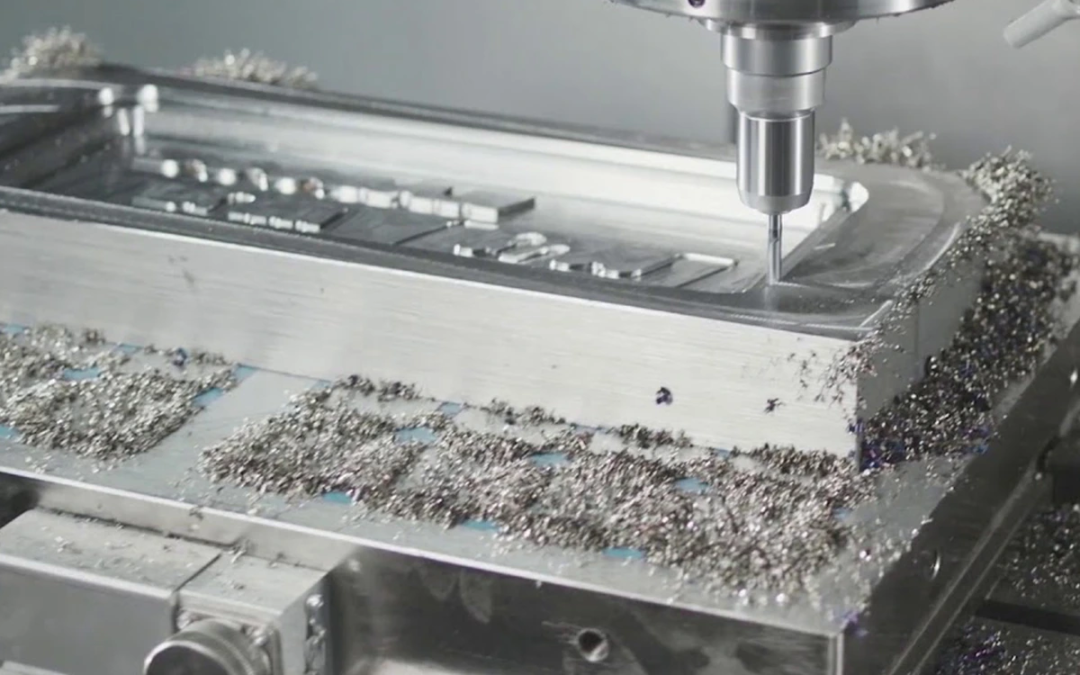
Machining Economics: Aluminium’s excellent machinability enables faster cutting speeds, lower cutting forces, and reduced tool wear compared to stainless steel. In a precision electronics enclosure project in Taiwan involving complex CNC machining, aluminium reduced cycle times dramatically and extended tool life.
Surface Treatment Requirements: Carbon steel requires protective coatings such as powder coating, plating, or galvanizing to prevent corrosion, adding cost, lead time, and process complexity. Many aluminium alloys perform well with simpler treatments like anodizing or chemical conversion coatings.
Corrosion Resistance: Engineering for Environmental Exposure
Mechanisms of Corrosion Across Material Families
Understanding corrosion resistance requires examining the electrochemical processes specific to each material, as surface degradation represents the primary failure mode in many industrial applications. Engineers working with a reliable metal fabrication service must consider these factors when selecting materials to ensure long-term performance.
Galvanic Corrosion in Multi-Material Assemblies: When dissimilar metals contact in an electrolyte, galvanic cells form with the more anodic material corroding preferentially. The galvanic series positions magnesium as most anodic, followed by zinc, aluminium alloys, carbon steel, then stainless steels as most cathodic. Marine equipment manufacturers in Scandinavia specify insulating gaskets and fastener coatings to prevent accelerated aluminium corrosion when joined to stainless steel components, a lesson learned through decades of offshore platform experience.
Passivation and Oxide Layer Formation: Aluminium naturally forms a protective oxide layer that self-heals when scratched in oxidizing environments. This phenomenon enabled a wastewater treatment facility in Australia to specify marine-grade aluminium through their metal fabrication service for corrosive gas scrubber housings, achieving extended service life without protective coatings where mild steel failed rapidly despite galvanizing.
Material Selection by Environmental Classification
Marine and Coastal Environments: Salt spray accelerates corrosion through chloride ion penetration, making material selection critical for longevity. High corrosivity marine environments require either high-grade stainless steel with enhanced pitting resistance, or marine aluminium alloys with superior seawater resistance.
Chemical Processing Applications: Material selection depends on chemical compatibility, not just corrosion resistance. Some chemicals can damage stainless steel, require alternative alloys or engineer plastics for long-term reliability.
Industrial Atmospheric Conditions: Medium industrial environments permit hot-dip galvanized steel, mill-finish aluminium, or basic stainless grades based on aesthetic requirements and maintenance intervals.
Sheet Metal Durability: Fatigue, Wear, and Long-Term Performance
Fatigue Life Considerations in Cyclic Loading
Material selection profoundly affects durability under repeated loading cycles, with different material classes exhibiting fundamentally different fatigue behaviour.
Fatigue Limit Behaviours: Many steels exhibit a fatigue limit below which very long fatigue life can be achieved under ideal conditions, whereas aluminium alloys generally do not show a true fatigue limit. In real-world environments, factors such as corrosion, surface defects, and residual stresses can still limit service life.
Surface Condition Effects: Fatigue strength is strongly affected by surface quality. Rough edges, corrosion, or punching defects reduce life. Laser cutting can provide smoother edges than mechanical punching; however, fatigue performance depends on heat-affected zone control, material type, and any post-processing applied.
Wear Resistance in Sliding Contact Applications
Hardness and Surface Treatment: Applications involving wear require surface hardness consideration beyond base material properties. While base aluminium alloys are softer than steel, hard anodizing significantly increases surface hardness, approaching the lower range of hardened steels but not matching tool steel hardness.
Strategic Material Selection Framework
Decision Matrix Methodology
Engineers should employ weighted decision matrices incorporating quantitative factors appropriate to their specific application class and operating environment.
Performance Weights by Application Class:
- Structural/Load-Bearing Applications: Prioritize strength, stiffness, and weight alongside cost considerations
- Corrosive Environment Exposure: Emphasize corrosion resistance and maintenance requirements over initial material cost
- Thermal Management Systems: Focus on thermal conductivity, weight, and fabricability to achieve performance objectives
Example Application for Electronics Enclosure: For thermal management-critical applications, aluminum alloys typically score superior on thermal conductivity, weight, and fabricability despite lower mechanical strength. This weighted approach systematically evaluates trade-offs, preventing suboptimal decisions driven by single-parameter optimization.
Supplier Capability Assessment
Material selection intertwines with fabricator capabilities, requiring early supplier engagement to align design intent with manufacturing realities.
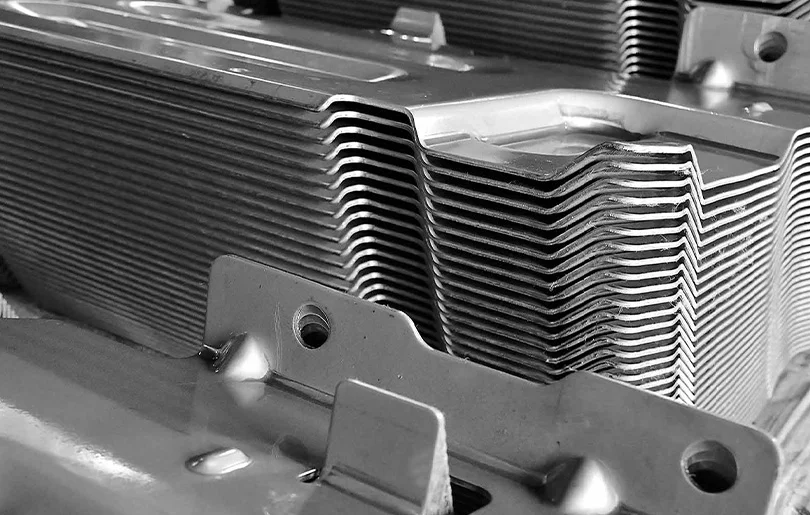
Equipment and Process Compatibility: Verify fabricators possess appropriate equipment for chosen materials. Stainless steel requires higher tonnage press brakes due to higher yield strength and springbuck characteristics. Aluminium benefits from specialized tooling with wider bend radii and polished dies preventing galling during forming operations.
Quality Control Infrastructure: Confirm suppliers maintain material traceability, certificate of conformance protocols, and alloy verification capabilities using positive material identification analysers. An aerospace supplier audit revealed substantially higher material substitution rates at facilities lacking PMI verification versus facilities with certified procedures, highlighting quality system criticality for safety-critical applications.
Advanced Materials for Specialized Applications
High-Strength Aluminium Alloys
Beyond common commercial-grade aluminium, higher-performance applications leverage advanced alloys offering enhanced strength-to-weight ratios.
High-Strength Aerospace Alloys: Copper and zinc-strengthened aluminium alloys provide tensile strengths approaching mild steel while maintaining aluminium’s density advantage, enabling weight-critical aerospace and automotive applications.
Medium-Strength Structural Alloys: Copper-strengthened alloys provide excellent fatigue resistance for aircraft fuselage skins and automotive structural components, though galvanic corrosion risks require careful design when joined to other materials.
Specialty Stainless Grades
Duplex Stainless Steels: Offering substantially higher yield strength than austenitic grades with superior corrosion resistance enables thinner gauge selection. Marine and chemical processing industries increasingly specify duplex grades where strength and corrosion resistance justify premium pricing, particularly in offshore oil and gas applications where weight reduction provides installation cost savings.
Precipitation-Hardening Stainless: Heat-treatable to very high tensile strengths while maintaining moderate corrosion resistance serves structural aerospace components. A landing gear component manufacturer achieved substantial weight reduction versus alloy steel through optimized precipitation-hardening stainless design, demonstrating how advanced materials enable performance previously unattainable.
Integration with Modern Manufacturing Processes
Design for Manufacturing Considerations
Material properties interact with fabrication processes in ways that profoundly affect production economics and quality.
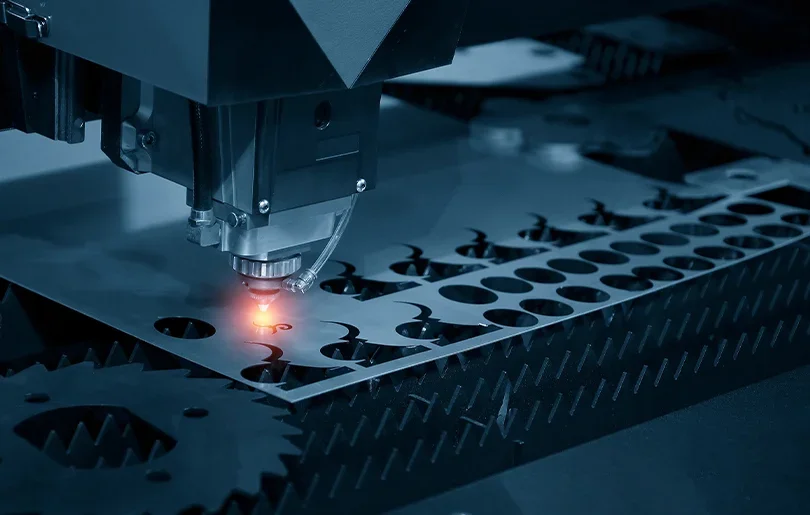
Laser Cutting Parameter Optimization: Reflective aluminium requires higher power density Fiber or disk lasers versus CO₂ lasers optimal for steel. A precision sheet metal fabricator in South Korea documented substantially faster cutting speeds and reduced assist gas consumption switching to fibber laser technology for aluminium production, enabling competitive pricing despite higher equipment investment.
Welding Process Selection: Aluminium necessitates MIG or TIG welding in inert atmospheres preventing oxide formation, while steel accommodates economical MIG welding with active gas shielding. A fabrication cost analysis revealed aluminium welding labour costs substantially exceed steel welding for equivalent joint lengths, significantly impacting assembly-intensive designs.
Hybrid Manufacturing Approaches
Progressive manufacturers worldwide combine multiple processes to optimize functionality and cost.
Sheet Metal and Injection Melding Hybrids: Structural aluminium or steel panels integrated with injection melded polymer features optimize cost and functionality. An electronics manufacturer in Mexico reduced assembly operations dramatically using insert-melded aluminium chassis eliminating numerous fasteners per unit through co-molded bosses and snap features developed with specialized injection molding service partners.
Global Manufacturing Sourcing Strategies
Regional Material Availability and Standards
International Standards Harmonization: North American ASTM and SAE standards govern material properties with designations recognized industry-wide domestically. However, imported materials may reference equivalent European DIN, Japanese JIS, or Chinese GB standards requiring careful verification of mechanical property equivalence.
Supply Chain Lead Time Considerations: Global sourcing introduces lead time and minimum order quantity variables affecting project schedules. Domestic suppliers in developed markets typically maintain shorter lead times for common alloys versus overseas procurement, critical for project scheduling and inventory management.
Sustainability and Lifecycle Analysis
Embodied Energy Comparisons: Primary aluminium production requires substantially higher energy input versus steel production on an equal mass basis. However, aluminium’s superior recycling efficiency and transportation energy savings through lightweighting often Favor aluminium in lifecycle assessments.
Circular Economy Initiatives: Design for disassembly using mono-material construction or easily separable fastening systems facilitates end-of-life recycling. A commercial appliance manufacturer achieved substantially higher material recovery rates through aluminium mono-material chassis design versus mixed material construction, supporting corporate sustainability objectives while reducing material costs through closed-loop recycling programs.
Real-World Case Studies: Material Selection Decisions
Case Study: Renewable Energy Enclosure Design
A solar inverter manufacturer serving global markets faced material selection challenges for outdoor enclosures exposed to diverse climates from desert heat to coastal salt spray. Initial steel specifications required premium coating systems adding substantial cost, while maintaining appearance proved difficult in high-UV environments.
The engineering team evaluated marine-grade aluminium as an alternative, conducting accelerated corrosion testing simulating coastal exposure. Despite higher raw material costs, aluminium eliminated coating requirements and reduced weight by approximately half, simplifying installation logistics. Partnering with a CNC machine service provider experienced in aluminium fabrication, they optimized chassis design with integrated heat sink features impossible with steel construction.
Case Study: Medical Equipment Sterilization Compatibility
A medical device manufacturer in Singapore required material selection for surgical instrument trays subjected to repeated steam sterilization cycles and aggressive chemical disinfection. Initial stainless-steel specifications met sterilization requirements but presented challenges with weight for ergonomic handling and cost for complex geometries requiring extensive machining.
Cross-functional teams including materials engineers and manufacturing specialists evaluated anodized aluminium alternatives. Hard anodized aluminium offered sufficient corrosion resistance for chemical exposure while providing dramatic weight reduction improving healthcare worker ergonomics. However, concerns about anodizing durability under repeated steam exposure required extensive validation testing.
Conclusion
Selecting optimal sheet metal materials requires systematic evaluation of mechanical properties, environmental exposure, fabrication processes, and total lifecycle costs. Engineers partnering with capable fabrication suppliers should employ structured decision frameworks weighing application-specific requirements against material characteristics.
The aluminium vs steel sheet decision exemplifies the complexity inherent in material selection neither material is universally superior, but rather context-dependent optimization balancing strength, weight, corrosion resistance, and fabrication cost factors. Advanced materials including high-strength aluminium alloys and specialty stainless grades expand the solution space for demanding applications. For expert guidance on selecting the right sheet metal materials for your project, contact us today to discuss your requirements with our experienced engineering team.
Frequently Asked Questions
- What factors most significantlyimpactsheet metal durability in outdoor applications?Outdoor durability depends on corrosion resistance, coatings, UV exposure, and climate. Aluminium resists corrosion naturally, while steel needs protective coatings. Proper drainage also increases lifespan.
- How do fabrication cost factors differ between aluminium and stainless-steel production?Fabrication costs vary due to tooling wear, machining speed, welding needs, and finishing. Stainless steel increases tool wear, while aluminium machines faster but can raise welding costs.
- When should engineers specify high-strengthaluminiumalloys versus conventional grades?High-strength aluminium is ideal when weight reduction is critical, such as in aerospace or automotive uses. For fixed or non-weight-sensitive applications, conventional alloys are more cost-effective.
- How does materialselectioninteract with modern metal cutting service capabilities?Material choice affects cutting speed, quality, and cost. Fiber lasers work well for aluminium, waterjets avoid heat damage, and plasma suits thick steel. Early coordination improves efficiency.
- What documentation shouldengineerrequest when qualifying fabrication suppliers for critical applications?Engineers should request material test reports, alloy verification, quality certifications, inspection records, and references. These ensure material accuracy, process control, and reliable fabrication quality.