CNC Machining for Startups (Part 4/5)
CNC Machining Cost Comparison: CNC vs 3D Printing vs Sheet Metal vs Molding
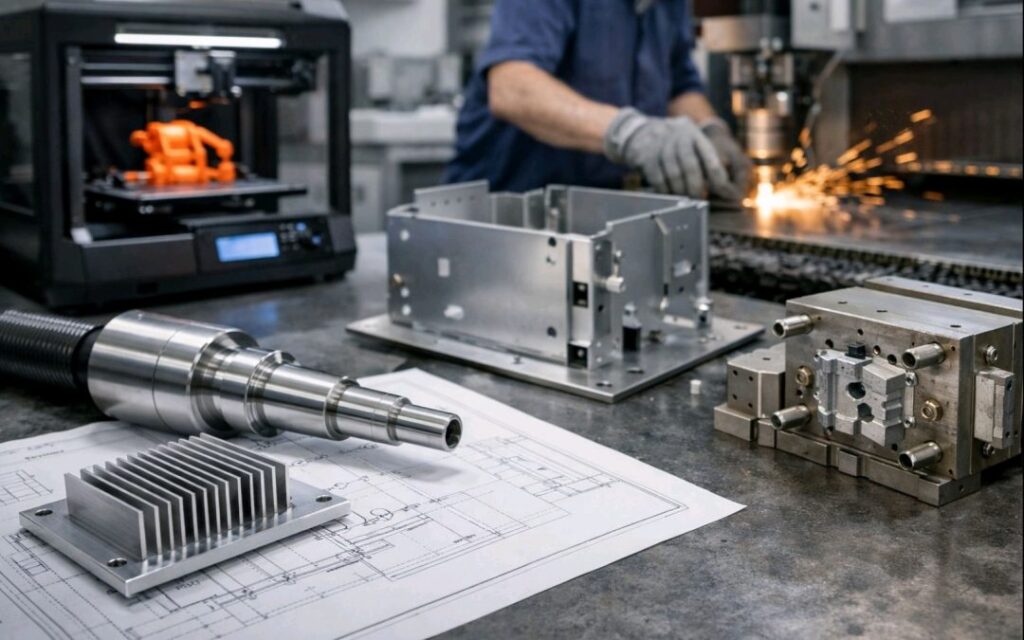
For hardware startups, selecting the wrong manufacturing process can quietly multiply development budgets. In many cases, the biggest driver of CNC machining cost is not the machine time itself but using CNC where another process would deliver the same function faster and cheaper.
Smart engineering teams do not ask, “Which process is best?”
They ask, “Which process is best for this part, at this stage, and at this volume?”
Understanding when CNC machining is the right tool and when it is not is one of the fastest ways to control product cost, lead time, and technical risk.
When CNC Machining Is the Right Choice
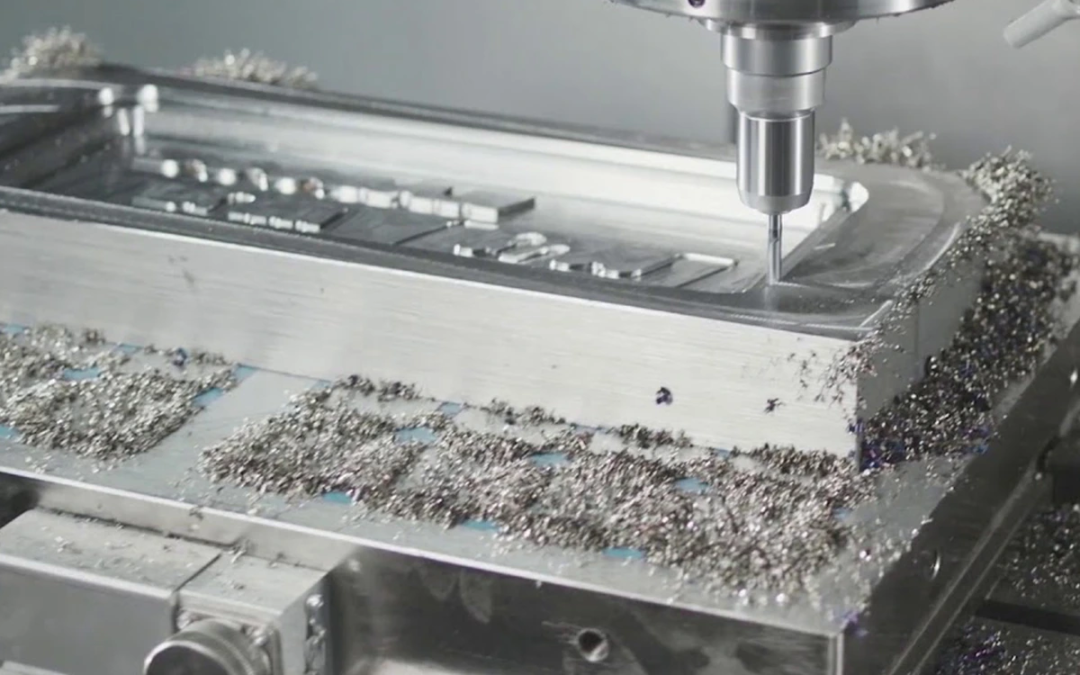
CNC machining remains the gold standard when precision, material performance, and reliability matter more than speed or initial cost.
CNC machining wins when you need:
- Tight tolerances on shafts, bearing seats, bores, and alignment features
- Production-grade materials such as aluminum alloys, steels, titanium, or high-performance polymers
- Excellent thermal conductivity for heat sinks and thermal interfaces
- High mechanical strength and fatigue resistance
- Stable dimensions across temperature changes
In these cases, alternative processes often introduce variability that increases risk later even if they appear cheaper upfront.
Typical CNC applications in startup products include:
- Structural brackets supporting motors, gearboxes, or actuators
- Heat sinks, thermal spreaders, and power electronics bases
- Precision sensor mounts where accuracy directly affects performance
- Custom pulleys, hubs, couplings, and rotating components
These parts often determine whether a system performs reliably in real-world conditions. Attempting to reduce CNC machining cost by switching to lower-precision processes can create downstream failures that are far more expensive.
When 3D Printing Is the Smarter Option
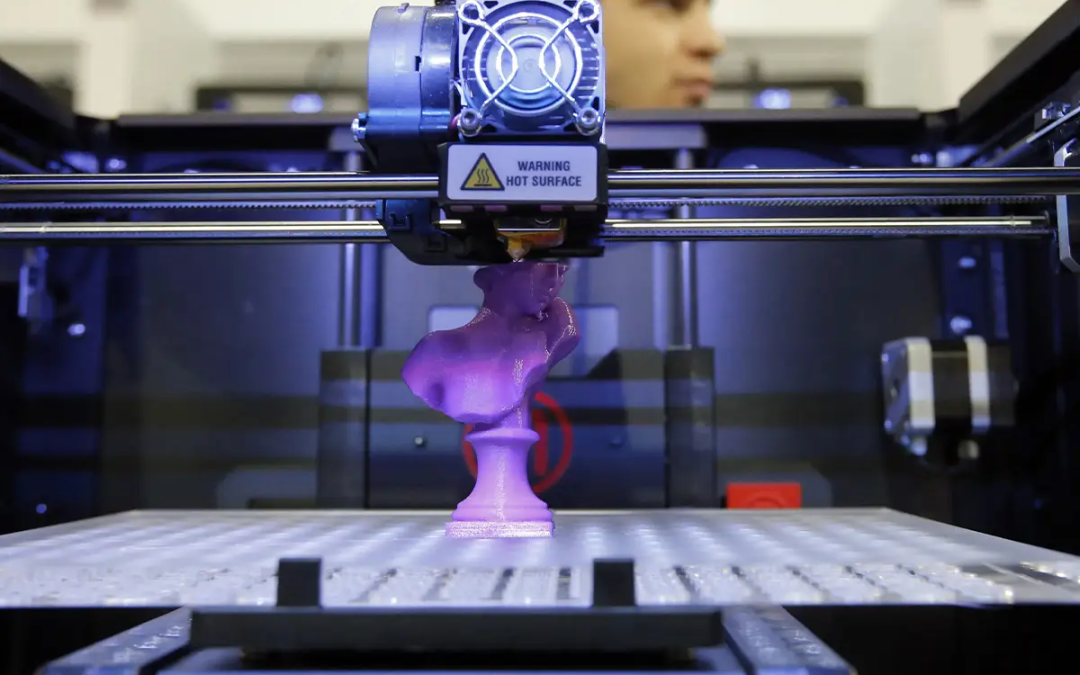
Additive manufacturing excels in early exploration phases where speed matters more than durability or tight tolerances.
Startups should strongly consider 3D printing when:
- Investigating complex geometries with internal channels or organic shape
- Iterating enclosure designs rapidly
- Testing form, fit, and ergonomics
- Load requirements are low
- Parts may change frequently
Good applications include:
- Enclosure mockups and user-interface models
- Internal cable guides and non-critical brackets
- Airflow concept models for ducts or fans
- Mounting provisions for electronics during development
Many teams begin with printed parts, then transition to CNC machining once performance requirements increase. This staged approach prevents overspending on precision before the design stabilizes.
However, printed polymers often have anisotropic strength and poorer surface finish, which can limit their usefulness in structural roles. Using them in high-load situations may appear to reduce CNC machining cost, but frequently leads to redesign cycles that erase those savings.
When Sheet Metal Is Your Friend
Sheet metal fabrication is one of the most underutilized cost-reduction tools in startup hardware.
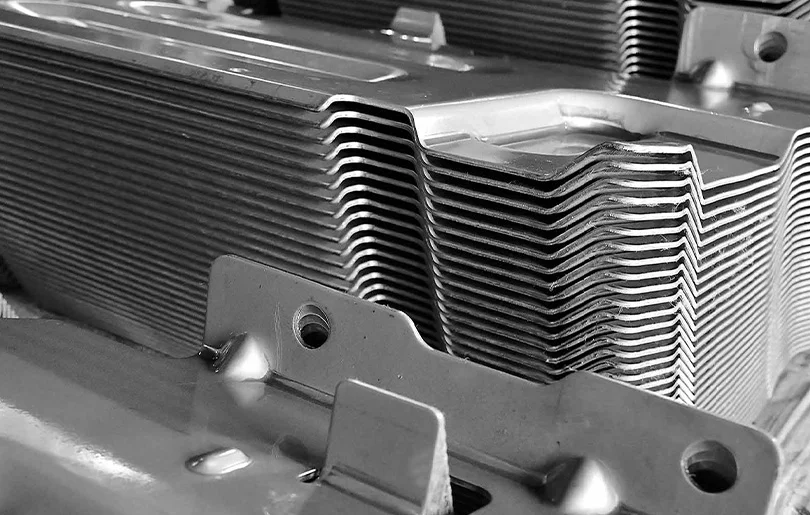
If your design is fundamentally thin-walled, sheet metal can outperform CNC machining in both cost and production speed.
Sheet metal shines when:
- Parts function as enclosures, covers, trays, or frames
- Strength-to-weight ratio is important
- Assembly features like bends, tabs, and captive hardware are beneficial
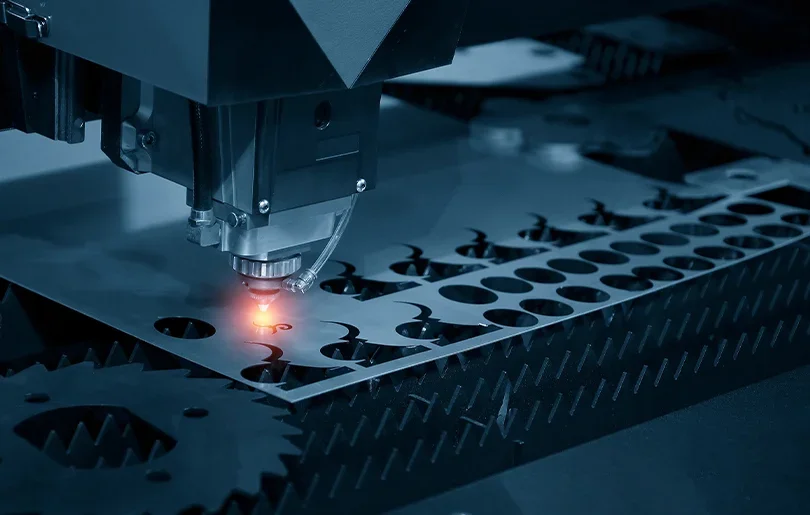
- Flat patterns can be efficiently cut and formed
Typical uses include:
- Electronics chassis and rack systems
- Mounting brackets and equipment trays
- Hinged or removable access panels
- Structural housings for industrial equipment
A single formed sheet metal component can often replace multiple CNC-machined plates and spacers. This dramatically reduces assembly labor, hardware count, and overall CNC machining cost for pilot builds.
When to Consider Injection Molding or Die Casting
High-volume manufacturing methods such as injection molding and die casting introduce tooling costs but dramatically lower per-part pricing once volumes increase.
Startups should consider these processes only when:
- The design has been validated through prototypes
- Functional testing is complete
- Geometry is stable
- Forecast volumes justify tooling investment
- Time to market risk is manageable
At this stage, reducing CNC machining cost per part becomes less relevant than reducing total cost at scale.
However, jumping into tooling too early is one of the most expensive mistakes startups make. Design changes after tooling can require costly modifications—or complete tool replacement.
The “CNC Bridge” Strategy Used by Experienced Teams
Even after transitioning to molded or cast components, many companies maintain a parallel CNC machining pathway.
This approach—often called a bridge strategy—supports:
- Engineering builds and validation testing
- Custom variants or low-volume options
- Spare parts production
- Design improvements without tool changes
- Risk mitigation if supply disruptions occur
Maintaining CNC capability ensures flexibility throughout the product lifecycle while controlling long-term CNC machining cost.
A capable manufacturing partner can analyze break-even points, forecast volumes, and recommend when each process becomes economically justified.
Choosing the Right Process Is a Cost Multiplier Decision
No manufacturing process is universally “best.” Each excels under specific technical and economic conditions.
The real objective is not minimizing the cost of a single part but minimizing total product cost across development, testing, production, and lifecycle support.
Used correctly, CNC machining delivers unmatched precision and reliability. Used incorrectly, it becomes an expensive substitute for processes that were better suited from the start.
Understanding these trade-offs is how experienced engineering teams control CNC machining cost, shorten development cycles, and bring products to market with fewer surprises.
Up Next (Part 5/5)
The most common CNC mistakes that quietly destroy budgets—and how experienced engineers avoid them.