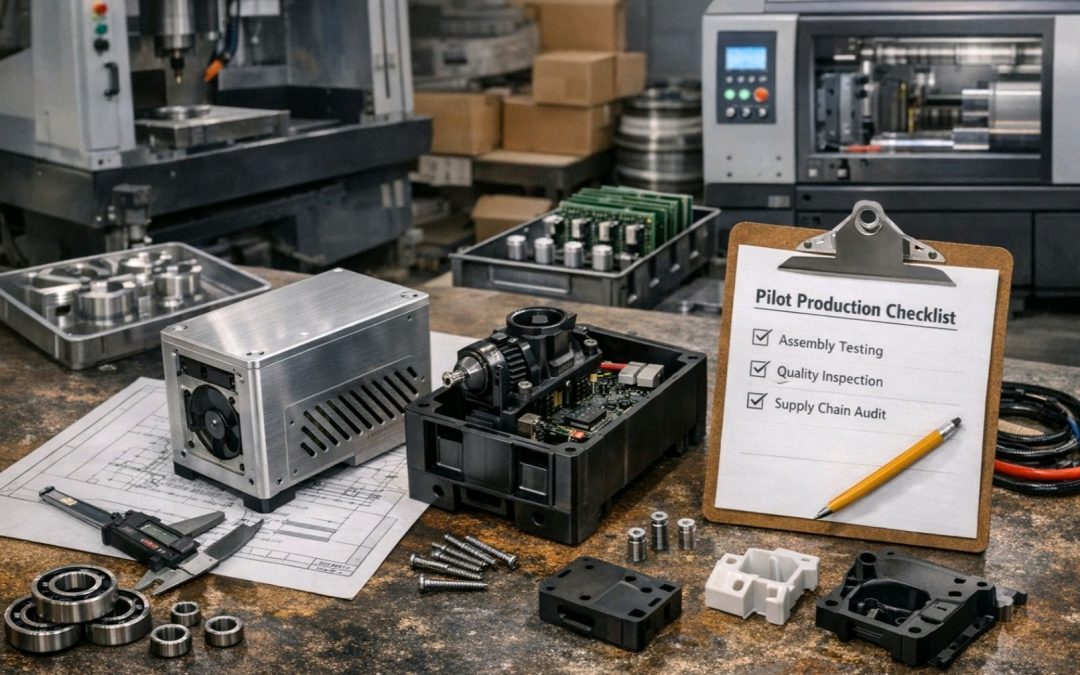
CNC Machining for Startups (Part 2/5): Prototype → EVT/DVT → Pilot Run
In Part 1 of this series we discussed why CNC machining for startups often becomes the first real test of design maturity; validating form, fit, and function before committing to mass production. In this second installment, we’ll walk through the critical transition phases from prototype builds to engineering validation tests (EVT), design validation tests (DVT), and finally pilot runs. Each stage requires a distinct mindset, manufacturing focus, and decision criteria to prevent costly setbacks and ensure your product design scales seamlessly toward production.
From Prototype to Validation Builds: EVT and DVT Explained
Most hardware startups experience a common failure point:
Going from “it works” to “we can build 100 consistent parts.”
This is where structured manufacturing stages like EVT and DVT become indispensable.
🧪 EVT – Engineering Validation Test
EVT is your first step into reproducible manufacturing. After a functional prototype proves the core idea, EVT focuses on confirming:
- Functional performance under real-world conditions
- Mechanical reliability over repeated use
- Consistency across multiple units
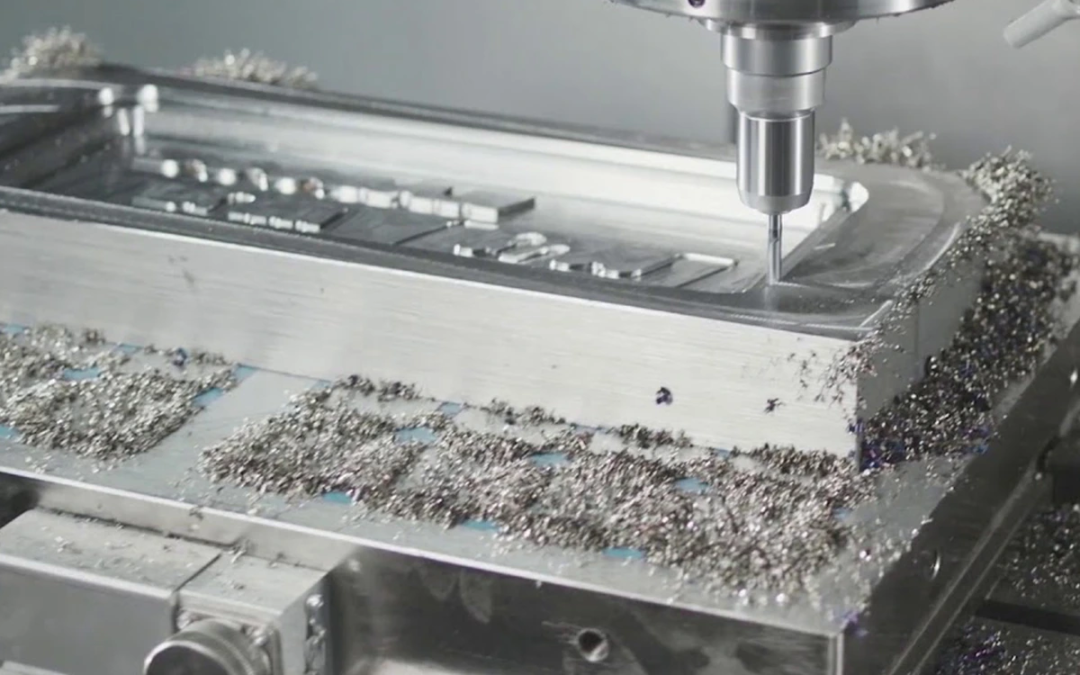
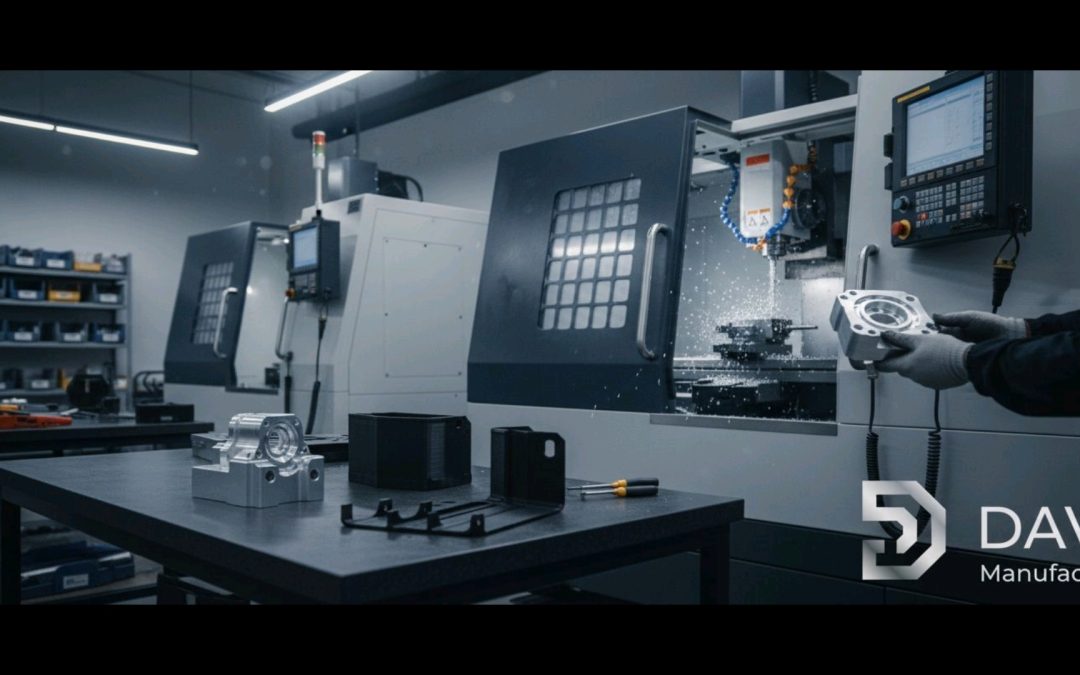
At this stage, many teams rely on precision machining to produce parts with tighter tolerances, more robust surface finishes, and materials that represent the final product intent. Using precision CNC machining services like those offered by Davion Manufacturing ensures engineering teams get parts that behave more like what they’ll ultimately sell.
🎨 DVT – Design Validation Test
Once function is validated, DVT assesses design maturity:
- Cosmetic and aesthetic quality
- Fit and tolerance across assemblies
- User experience considerations
- Manufacturability constraints
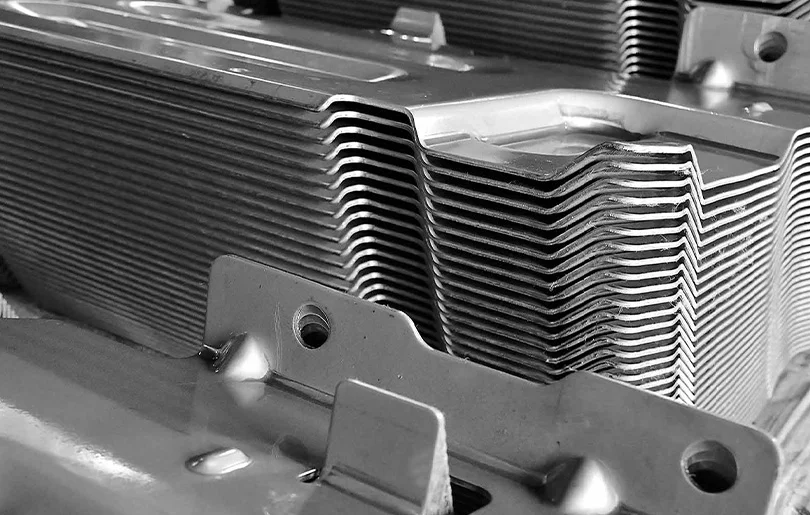
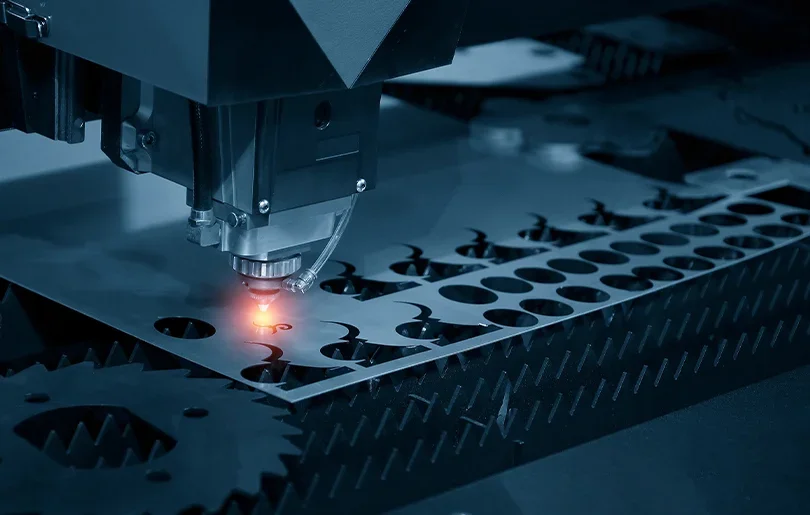
DVT parts trend closer to final geometry and surface quality, often requiring a mix of processes from cnc machining to sheet metal fabrication and finishing services. At this stage, partnering with experienced sheet metal cutting and fabrication services enables startups to evaluate both precision and visual quality before scaling up.
Why Machined Parts Matter in Validation Stages
At both EVT and DVT, CNC machined components serve as a bridge:
- They mimic the geometric and mechanical properties of molded or cast parts
- They enable tighter tolerances on features that matter
- They offer repeatability across small runs without tooling investment
When parts look and behave like production-ready components, engineering teams can more effectively:
- Conduct accurate stress and fatigue testing
- Validate assembly protocols
- Identify critical tolerances that affect performance
- Evaluate supply chain capabilities
In short, using CNC machining early doesn’t just create physical parts — it accelerates learning. And rapid learning reduces risk.
Design for Manufacturability and Assembly (DFM/DFA)
At the EVT/DVT level, DFM (Design for Manufacturability) and DFA (Design for Assembly) become crucial.
Proper design reviews at these stages:
- Reduce unnecessary machining time
- Minimize scrap and rework
- Improve assembly efficiency
- Lower unit cost in pilot runs
A manufacturer with design & engineering expertise who can provide consultative support, adds immense value here. At Davion, the design team helps startups refine CAD models, optimize features for manufacturing, and even perform simulations to prevent downstream issues.
Pilot Production Run: Rehearsal for Full Manufacturing
Once EVT and DVT pieces meet expectations, the next step is a pilot production run. Typically this involves:
- 50–100 units
- End-to-end assembly and testing
- Supply chain coordination
- Workflow validation
This stage is your final rehearsal before committing to large-volume processes such as injection molding or die casting.
📌 Pilot Run Objectives
A pilot run should help you:
- Verify yield and scrap rates
- Confirm vendor delivery performance
- Establish assembly labor time and work instructions
- Validate field failure statistics
- Test packaging and logistics readiness
Even if you plan to transition to high-volume molding or casting later, low-volume CNC machining and precision sheet metal fabrication remain essential during pilot runs because they produce “mold-like” prototype parts without upfront tool costs.
Integrating Prototyping with Production Roadmap
A common mistake in hardware startups is treating prototype builds and pilot runs as isolated activities. Instead, think of them as phases in a continuous validation process:
1. Concept prototype: Does it physically work?
2. EVT parts: Does it work repeatedly and reliably?
3. DVT parts: Does it look, fit, and function like a final product?
4. Pilot run: Can we make many units with acceptable quality and cost?
Each phase feeds insight into the next, and quality manufacturing partners amplify that insight rather than just “turning parts.”
What Drives CNC Cost (Brief Intro to Part 3)
As we will explore in the next chapter, CNC machining cost is influenced by factors including:
- Material choice (metals vs plastics)
- Tolerance requirements
- Part complexity and geometry
- Machining time and setup
- Surface finishes and post-processing
Most teams underestimate these drivers. We’ll break them down in Part 3 so you can budget more accurately and avoid late-stage surprises.
Learn More from Our Knowledge Center
For additional guidance, tutorials, and technical references including material tolerances, finishes, and DFM checklists visit the Davion Knowledge Center.