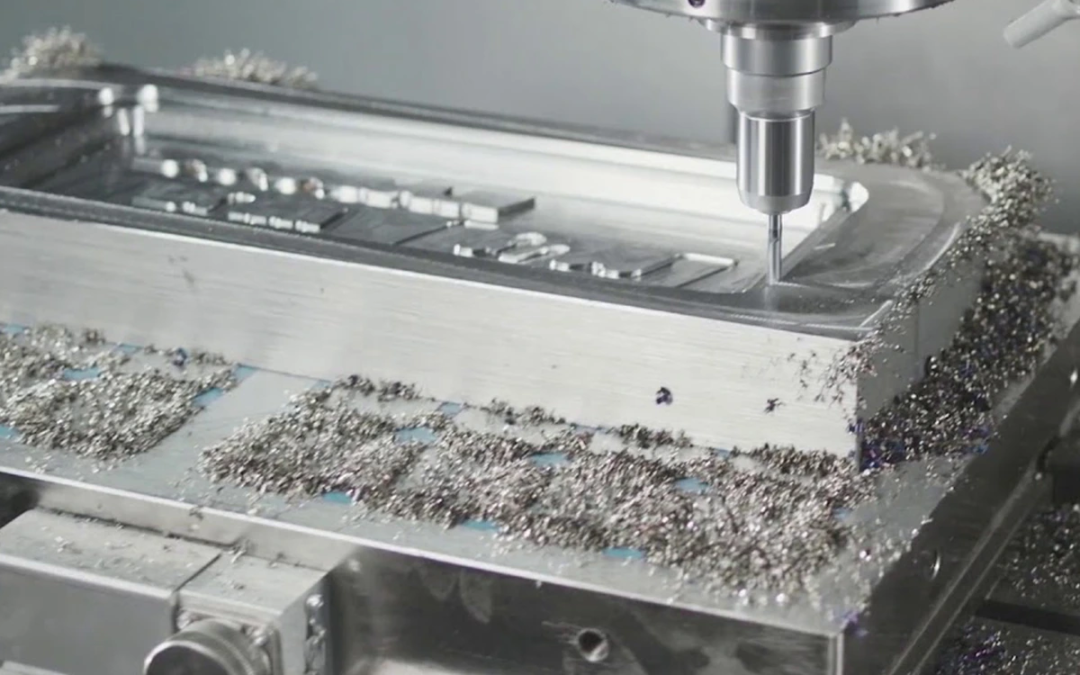
In today’s fast-paced manufacturing environment, OEMs and hardware startups require precision, reliability, and speed. Robotic CNC machining has emerged as a game-changing solution, providing consistent, high-quality components while significantly reducing lead times. By leveraging automation, CNC machinery can achieve tolerances that are difficult to match with traditional manual processes, ensuring both repeatability and quality.
Manufacturers who adopt robotic CNC machining can bring products from prototype to production faster and with greater confidence. Whether producing metal components, precision prototypes, or complex geometries, these services streamline operations while maintaining strict quality standards. For companies seeking reliable manufacturing partners, understanding the capabilities and benefits of robotic CNC machining is critical to selecting the right partner for their product development needs.
Understanding Robotic CNC Machining
Robotic CNC machining combines traditional computer numerical control (CNC) with automation, allowing machines to handle repetitive tasks with minimal human intervention. This integration of robotics enhances both speed and accuracy, enabling manufacturers to produce components with tight tolerances consistently. Achieving consistent dimensional accuracy in robotic CNC machining depends not only on automation, but also on established measurement and manufacturing best practices recognized across the industry.
CNC automation is particularly beneficial in high-volume or precision manufacturing scenarios. Automated systems ensure that each part meets exact specifications, reducing the variability often introduced by manual operation. These systems are capable of continuous operation, handling multiple setups, and producing intricate designs that would be difficult or impossible with conventional machining.
How Robotic CNC Machining Improves Accuracy
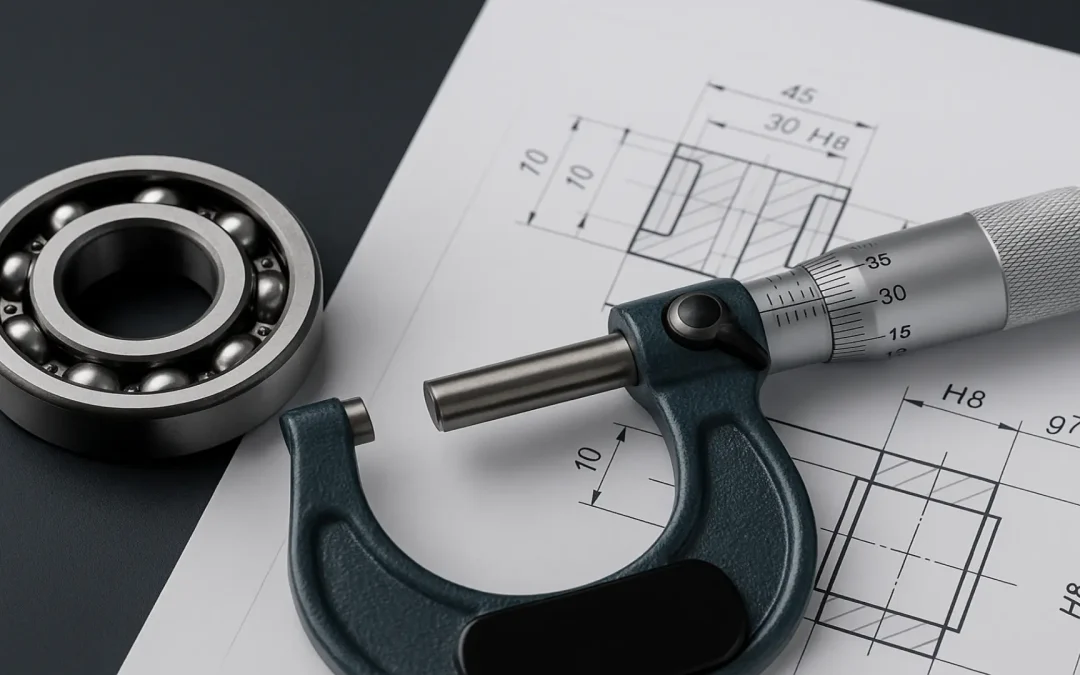
One of the primary advantages of robotic CNC machining is its ability to maintain extremely tight tolerances. By automating processes such as tool positioning, feed rates, and cutting paths, manufacturers minimize the risks of human error. The result is components that consistently meet design specifications, which is crucial for OEMs and startups developing high-performance or safety-critical products.
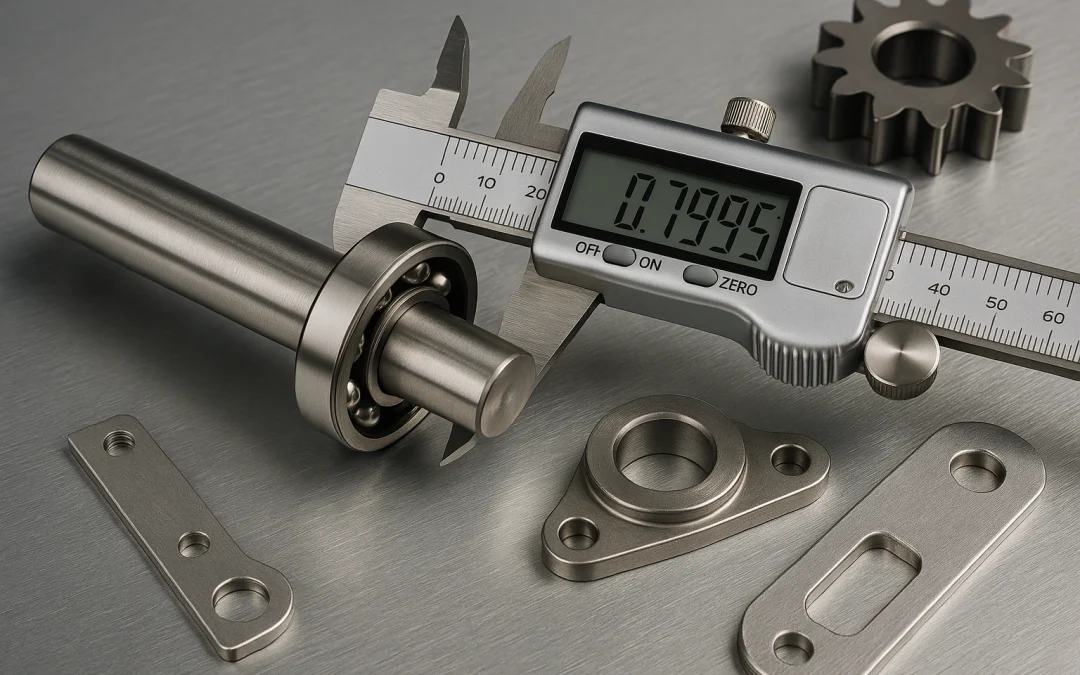
Consistency is another key factor. Robotic systems operate with precision down to microns, ensuring that every part produced matches the design intent. This level of control is especially important when working with complex materials or intricate geometries. Some advanced automated machining systems can incorporate sensor feedback for enhanced precision, further reducing the likelihood of defects.
For businesses seeking quality CNC services, robotic CNC machining provides the assurance that each component will meet quality standards without repeated manual inspection, lowering the risk of costly errors or rework.
Speed and Efficiency Benefits for OEMs and Startups
Robotic CNC machining not only enhances accuracy but also significantly improves speed. High-speed machining reduces cycle times, allowing manufacturers to complete more parts in less time. This efficiency is especially valuable for startups and OEMs that need rapid prototyping or fast production runs.
Automation enables machines to operate continuously with minimal downtime, streamlining the transition from prototype to production. Components can be machined, finished, and prepared for assembly faster, reducing lead times and helping businesses respond to market demands more quickly. The combination of speed and precision makes robotic CNC machining an ideal choice for companies looking to maintain competitive advantage while delivering high-quality products.
Core Robotic CNC Machining Capabilities
Robotic CNC machining offers several key capabilities designed to support precision manufacturing needs:
Precision CNC Machining: Produces components with tight tolerances, ideal for high-performance applications across various industries.
Multi-Axis Machining: Enables the creation of complex geometries and intricate designs in a single setup, reducing production time and improving consistency.
High-Volume Production: Automated systems maintain quality across large production runs, ensuring every part meets specifications.
By focusing on these core capabilities, manufacturers can deliver reliable, repeatable results that meet the demanding requirements of modern product development.
Additional Manufacturing Expertise
Beyond CNC machining, many full-service manufacturing partners offer complementary capabilities that support the complete product development lifecycle:
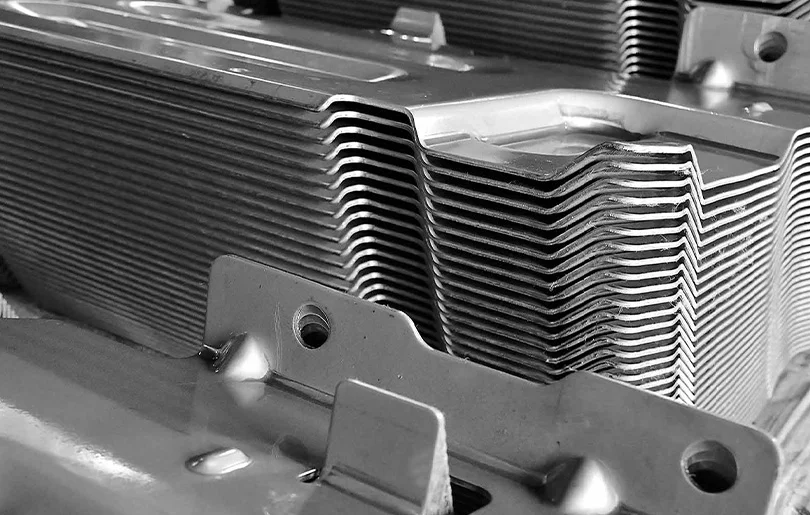
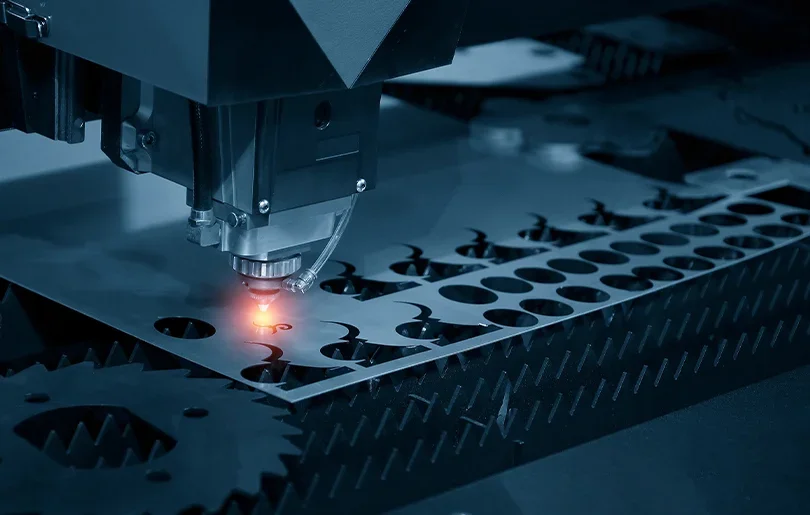
- Sheet Metal Fabrication: Automated cutting, bending, and forming services for creating enclosures, brackets, and structural components.
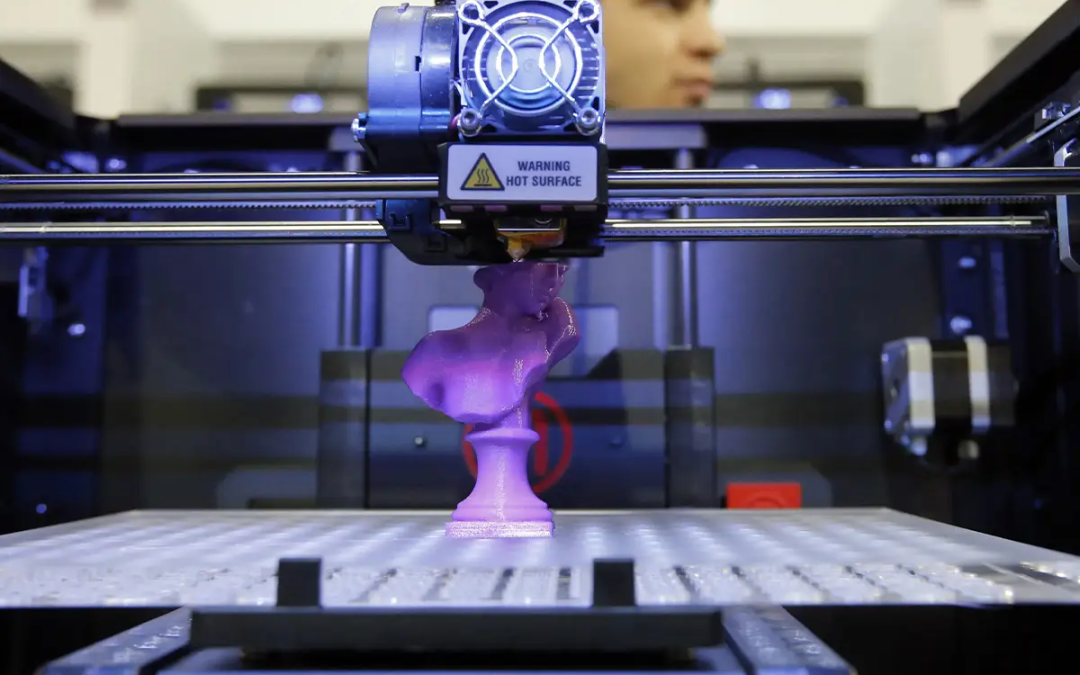
- 3D Printing Services: Rapid prototyping solutions that enable quick design iteration and concept validation.
- Injection Molding: High-volume production of plastic components with consistent quality.
- Die Casting: Metal casting services for complex shapes and high-volume requirements.
Partnering with a provider that offers multiple manufacturing processes under one roof can streamline communication, reduce coordination overhead, and accelerate your time to market.
Why Precision and Automation Matter for Product Development
In product development, reliability and quality control are critical. Robotic CNC machining ensures components are consistent, reducing scrap and minimizing waste. This level of precision also allows for the creation of complex geometries and fine details that might otherwise require multiple processes or manual intervention.
Automation also supports cost-effectiveness. By streamlining production and reducing errors, manufacturers lower material waste and labor costs while maintaining high standards. For OEMs and startups, this means faster time-to-market and a stronger ability to scale production without compromising quality. Precision and automation are no longer optional—they are essential for staying competitive in today’s manufacturing landscape.
How to Choose the Right CNC Service Provider
Selecting the right CNC service provider is critical for businesses that rely on precision manufacturing. When evaluating potential partners, consider the following factors:
Technical Capabilities: Does the provider have experience with your specific materials, tolerances, and geometries? Look for manufacturers with proven expertise in your industry.
Quality Systems: Established quality control processes and certifications demonstrate a commitment to consistent, reliable output.
Engineering Support: Providers with strong engineering teams can offer design for manufacturability (DFM) guidance, helping you optimize designs before production begins.
End-to-End Services: Partners who offer multiple manufacturing processes can simplify your supply chain and improve project coordination.
Communication and Responsiveness: Clear communication and quick turnaround times on quotes and questions indicate a partner who values your business.
How Davion Supports Your Manufacturing Needs
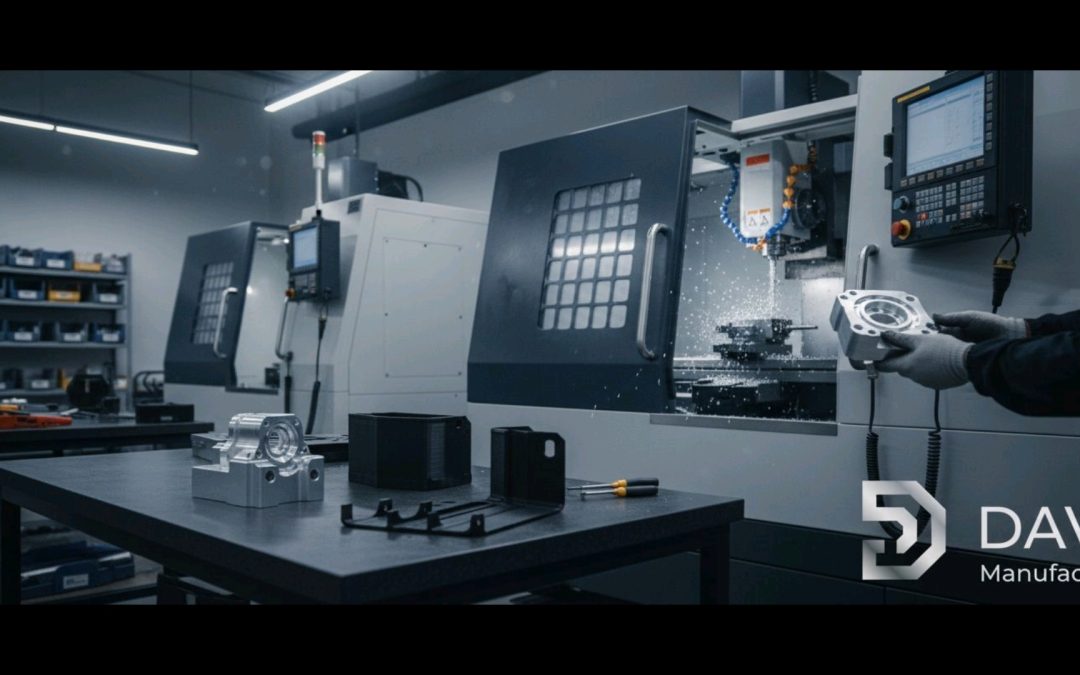
Davion Manufacturing is an engineering-first manufacturing and product development partner. Our team is built around highly trained and experienced engineers and production specialists. We use advanced simulation and analysis tools including CAD, FEA, DFM, DFA, and tolerance analysis to provide accurate technical guidance throughout the process.
Whether you need CNC machining, sheet metal fabrication, 3D printing, molding, or die casting, we support you end-to-end from design optimization and material selection to reducing manufacturing costs and preparing production-ready files.
Conclusion
Robotic CNC machining is transforming modern manufacturing by combining precision, speed, and automation. OEMs and hardware startups that leverage these services gain a competitive edge through improved accuracy, faster cycle times, and reduced risk of human error. From prototyping to production, robotic CNC machining provides a reliable, scalable, and efficient approach to modern manufacturing challenges.
By choosing a provider that offers comprehensive engineering support and end-to-end services, businesses can streamline their workflows, reduce lead times, and achieve consistently high-quality results. For manufacturers seeking precision machining solutions, robotic CNC machining represents a strategic investment in efficiency and long-term growth.Ready to upgrade your manufacturing process? Contact us today to request a quote and discover how robotic CNC machining can elevate your production capabilities!
FAQs
- How does robotic CNC machining improve accuracy?
Robotic CNC machining improves accuracy by automating tool movements, reducing human error, and maintaining tight tolerances consistently across every component.
- What are the main benefits of CNC automation for OEMs?
Automation reduces cycle times, improves precision, ensures repeatability, and supports complex geometries, which is ideal for both prototyping and production.
- Can robotic CNC machining help reduce lead times for startups?
Yes, high-speed machining and continuous automated operation allow startups to move from prototype to production faster, reducing overall lead times.
- How do I find a reliable CNC service provider?
Look for providers with proven technical capabilities, strong engineering support, quality certifications, and experience in your specific industry. Request samples and references to verify their capabilities.
- Why is working with a full-service manufacturing partner beneficial?
A full-service partner can handle multiple processes from CNC machining to sheet metal fabrication and molding which streamlines communication, reduces coordination overhead, and accelerates your project timeline.