Bringing a product from concept to reality often involves technologies like robotic CNC machining, along with a clear understanding of the strengths and limitations of different manufacturing processes. Engineers, hardware startups, and product designers often face the question: “Should I use CNC machining or 3D printing for my prototype?” Both processes offer unique advantages and are suited to different stages of product development. CNC machining, a subtractive manufacturing process, is known for high precision, repeatability, and the ability to work with a wide range of metals and plastics. 3D printing, an additive process, allows for rapid iteration and complex geometries without the need for traditional tooling. Selecting the right method can significantly impact lead times, costs, and the functionality of your prototypes.
Companies offering precision prototyping services provide expert guidance to help businesses choose the right process for their needs. Understanding these differences is essential to make informed decisions that align with your project goals and requirements.
Understanding CNC Machining and 3D Printing
CNC Machining
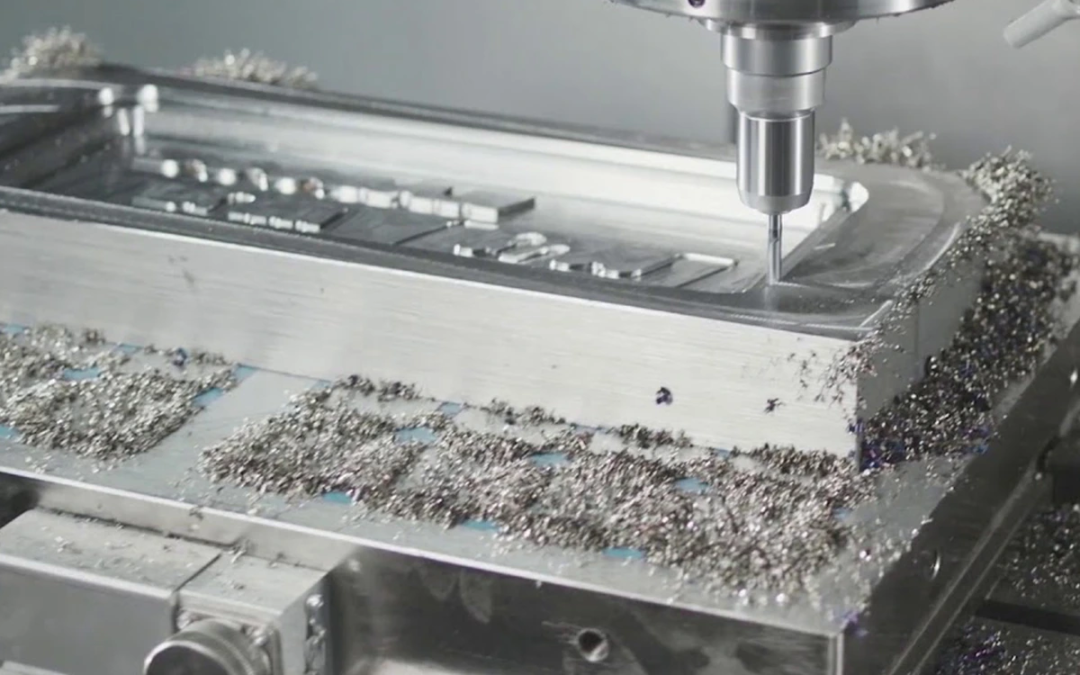
CNC machining uses computer-controlled tools to remove material from a solid block to create a part. This subtractive process delivers high precision and excellent surface finishes. CNC machines can work with metals, plastics, and other engineering materials, making them versatile for both prototypes and production components. The process excels at creating parts with tight tolerances and consistent quality across multiple units.
3D Printing
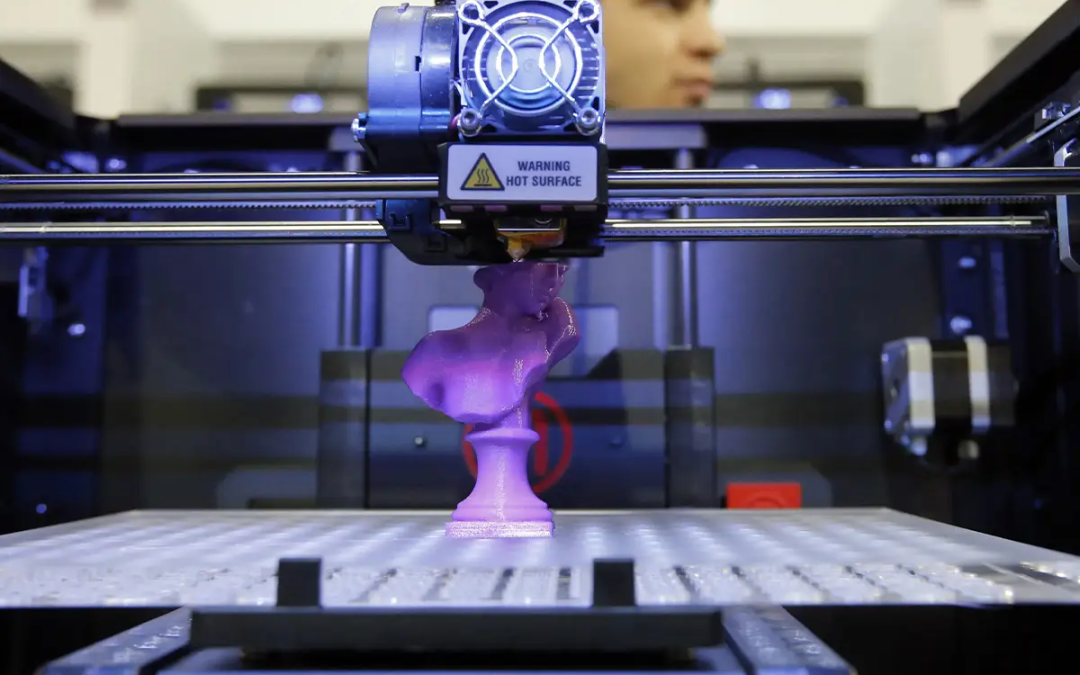
3D printing builds objects layer by layer from digital models. Additive manufacturing allows designers to create complex shapes and geometries that might be impossible or costly with traditional machining. The process is ideal for rapid prototyping, testing form and fit, and iterating quickly on design changes. Modern 3D printing technologies continue to expand material options and improve accuracy, making them increasingly viable for functional testing.
Speed and Lead Times: Rapid Prototyping Considerations
Lead times are a critical factor for startups and hardware developers. 3D printing typically allows for quicker initial iterations since no tooling is required. Engineers can print multiple design variations in a short period, testing different concepts before committing to more costly production methods. The ability to go from CAD file to physical part in hours makes 3D printing particularly attractive for early-stage design exploration.
CNC machining may take longer initially due to programming, setup, and tool selection. However, for functional prototypes requiring strength, tight tolerances, or specific materials, CNC machining can produce ready-to-use parts faster than 3D printing when factoring in post-processing and material limitations. Understanding the workflow and considering the full prototyping timeline helps companies make faster, more efficient decisions for product development.
Precision and Accuracy in Prototyping
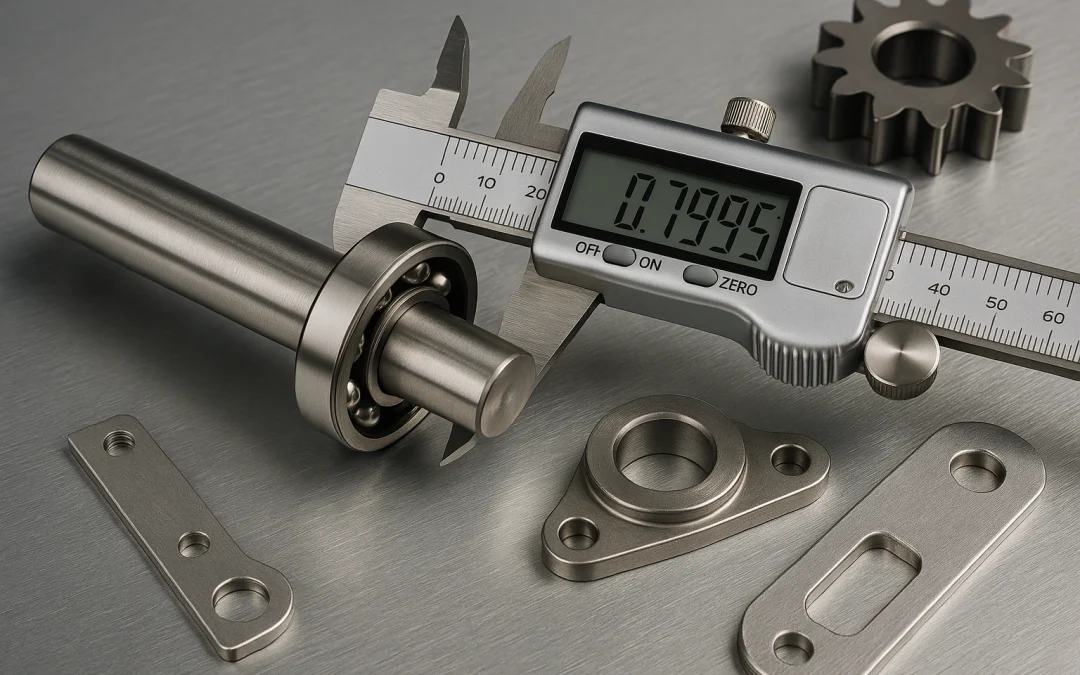
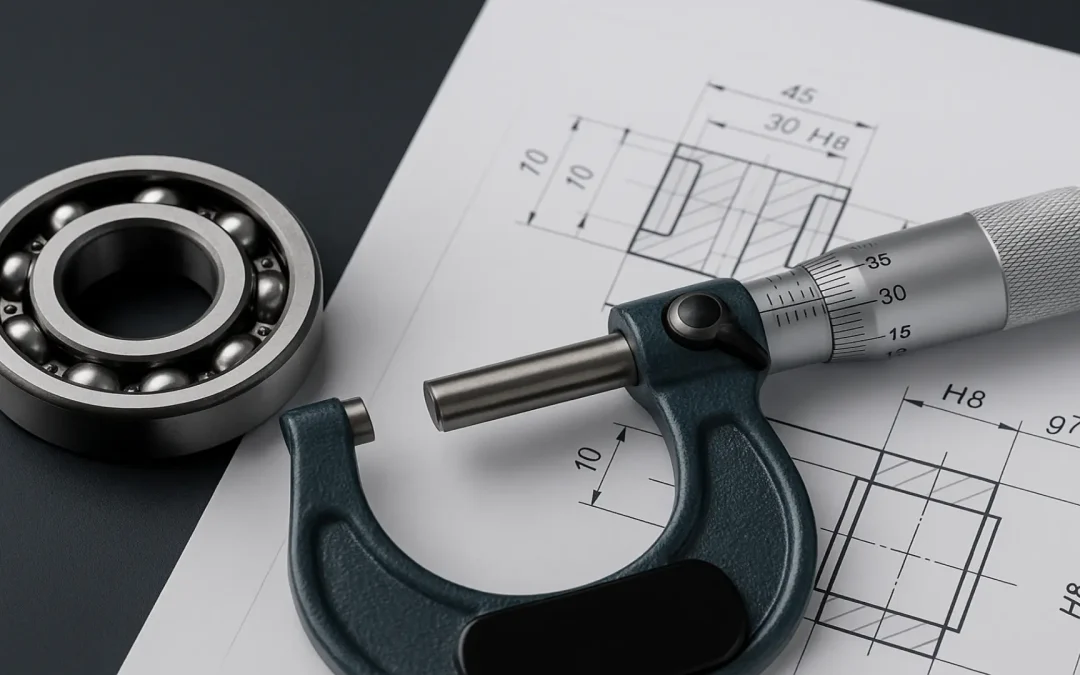
CNC machining excels in producing high-precision parts. Tolerances can be as tight as a few thousandths of an inch, making CNC ideal for functional components and engineering testing. Repeatability ensures that every part matches the design specifications, which is essential when preparing for production scaling. The dimensional accuracy achieved through CNC machining means prototypes can serve as true representatives of final production parts.
3D printing offers flexibility in design but often sacrifices precision, especially in fine tolerances or functional testing. While advances in technology have improved 3D printing accuracy, the layer-by-layer nature of the process can introduce small inconsistencies. This makes it better suited for form, fit, or conceptual prototypes rather than parts requiring exact dimensional control. For applications where visual verification and design validation matter more than precise measurements, 3D printing delivers excellent results.
Cost Implications for Early-Stage Prototypes
Cost is always a key consideration in product development. 3D printing generally has lower upfront costs since it requires no tooling and minimal setup. It is ideal for early-stage design exploration, allowing teams to test multiple iterations without significant investment. The material costs are typically lower for small quantities, and the lack of setup fees makes it economical for one-off prototypes or small batches.
CNC machining, while typically more expensive upfront, produces functional prototypes that closely mimic final production parts. For high-performance applications or testing with production-grade materials, CNC machining can ultimately save time and reduce costs by avoiding redesigns caused by inadequate prototype fidelity. When a prototype needs to withstand real-world testing conditions or demonstrate actual performance characteristics, investing in CNC machining often proves more cost-effective in the long run.
Material Selection and Performance
The choice between CNC machining and 3D printing significantly impacts material options. CNC machining supports a comprehensive range of engineering materials including aluminum, stainless steel, titanium, brass, various plastics, and composite materials. This versatility allows engineers to prototype with the exact materials intended for production, ensuring accurate performance testing and validation.
3D printing materials have expanded considerably but remain more limited compared to CNC options. While technologies like SLA, SLS, and FDM offer different material properties, printed parts may not always replicate the mechanical characteristics of production materials. For applications requiring specific material properties such as heat resistance, chemical resistance, or structural integrity, CNC machining provides more reliable results.
Production Scalability and Customization
When moving from prototype to production, scalability becomes essential. CNC machining supports small to medium production runs with consistent quality, making it ideal for startups preparing to scale. It also accommodates a wide range of materials and complex geometries with minimal additional setup. Once programming is complete, CNC machines can efficiently produce multiple identical parts, maintaining the same precision across the entire run.
3D printing is extremely flexible for complex or unique designs but is less efficient for large-scale production. Its strength lies in customization and rapid iteration rather than volume. For businesses requiring repeatable, high-precision components, CNC machining remains the preferred choice. However, for highly customized products or small batch production where each unit differs, 3D printing offers unmatched flexibility.
Design Complexity and Geometric Freedom
3D printing shines when dealing with organic shapes, internal cavities, lattice structures, or assemblies that can be printed as single pieces. The additive nature allows designers to create geometries that would require multiple operations or be impossible with subtractive methods. This freedom encourages innovative design approaches and can reduce assembly requirements by consolidating multiple parts into one.
CNC machining handles complex features effectively but works within certain constraints. Undercuts, deep pockets, and certain internal features may require multiple setups or specialized tooling. However, modern multi-axis CNC machines can achieve remarkably complex geometries, and the surface finish quality often surpasses what’s achievable with 3D printing. For parts with critical mating surfaces or precise mechanical interfaces, CNC machining delivers superior results.
Choosing the Right Process for Your Project
Deciding between CNC machining and 3D printing depends on several factors:
Design complexity: 3D printing handles organic shapes and internal structures better; CNC is ideal for functional, precision parts with critical dimensions.
Material requirements: CNC can work with production-grade metals and plastics, while 3D printing is limited to printable materials that may not match production material properties.
Timeline: Rapid iteration favors 3D printing for concept validation; high-fidelity functional parts may benefit from CNC machining despite longer initial setup.
Cost considerations: Early-stage exploration is often cheaper with 3D printing, while CNC delivers parts closer to production standards and can prevent costly redesigns.
Volume needs: Low quantities favor 3D printing for speed and cost; higher volumes or production preparation benefit from CNC machining efficiency.
Testing requirements: If prototypes need to undergo real-world performance testing, CNC machining with production materials provides more reliable results.
Selecting a provider that offers comprehensive prototyping services ensures your project benefits from both processes when needed, streamlining the transition from design to production.
How Davion Supports Your Prototyping Needs
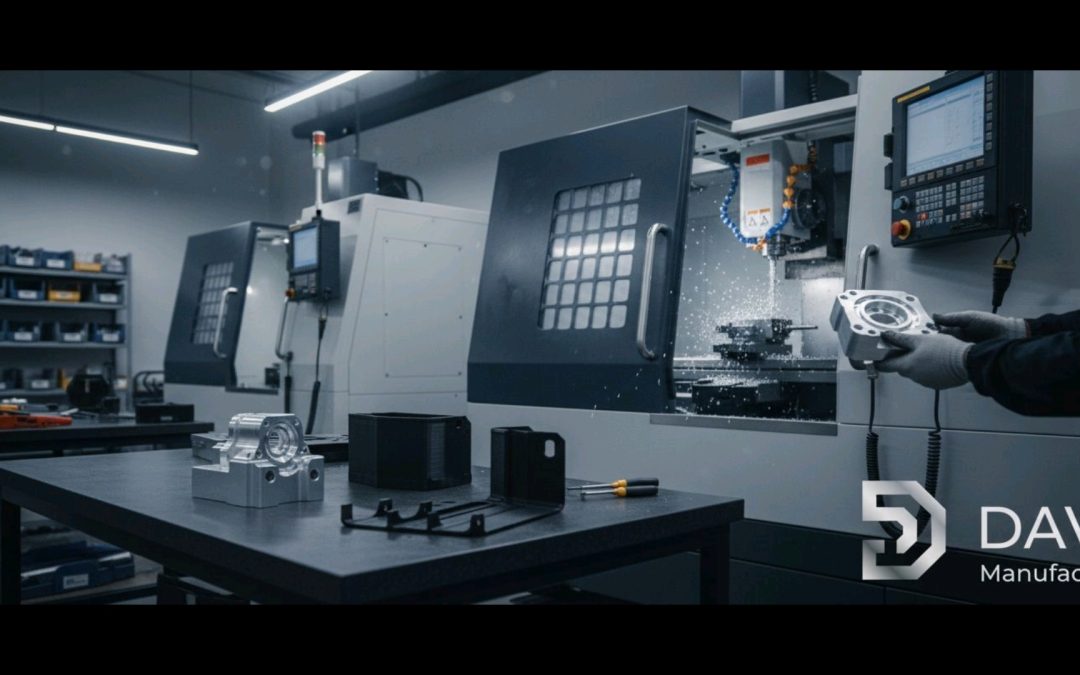
Davion Manufacturing is a manufacturing and product development partner with a strong engineering focus. Our team consists of highly trained and experienced engineers and production specialists who ensure your project receives expert attention. Our engineers use advanced simulation and analysis tools such as CAD, FEA, DFM, DFA, and tolerance analysis to provide precise technical guidance throughout the development process.
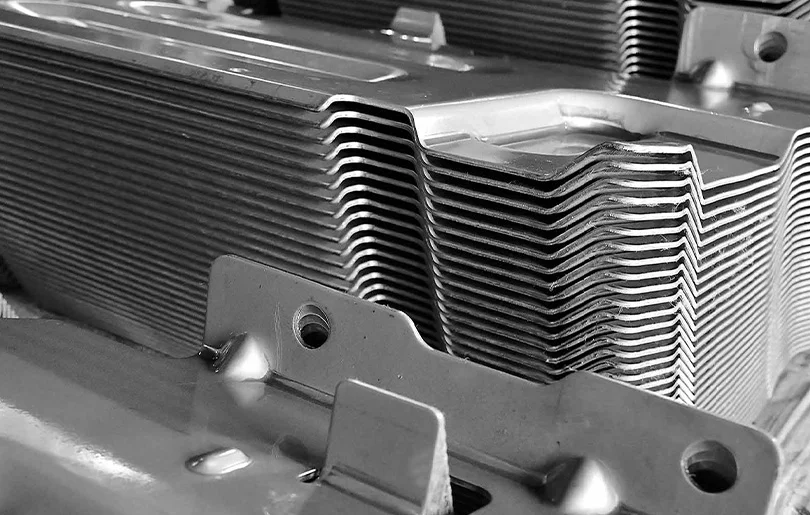
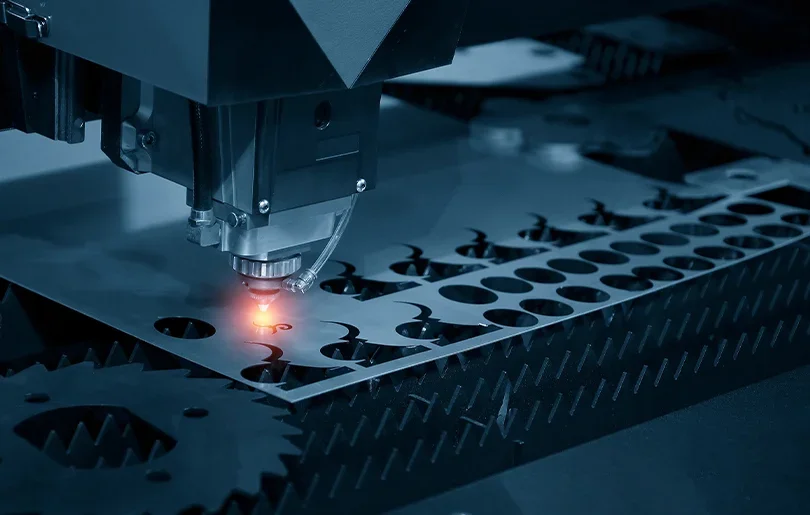
Whether your project requires CNC machining, sheet metal fabrication, 3D printing, molding, or die casting, we support you end-to-end. From design optimization and material selection to cost reduction and preparation of production-ready files, Davion Manufacturing is committed to delivering solutions that meet both quality and efficiency standards.
Conclusion
Choosing the right prototyping method in 2025 is crucial for product success. CNC machining and 3D printing each have distinct advantages: CNC machining delivers precision, material versatility, and repeatability, while 3D printing offers speed, flexibility, and cost-effective design iteration. Engineers, startups, and product designers should evaluate their project goals, material requirements, and timelines when deciding between the two.
By partnering with a precision manufacturing provider capable of both CNC machining and 3D printing, companies gain the flexibility to leverage the strengths of each process. This integrated approach allows you to use 3D printing for rapid concept validation and design iteration, then transition to CNC machining for functional testing and production preparation all within a single partnership that understands your complete product development journey.Contact us today to discuss your prototype and discover the best manufacturing method for your project!
FAQs
- Which is better: CNC machining or 3D printing?
It depends on your prototype’s purpose. CNC machining is better for high-precision, functional parts requiring specific materials, while 3D printing excels in rapid design iteration and complex geometries.
- Can CNC machining handle complex designs like 3D printing?
Yes, modern multi-axis CNC machines can handle intricate features, but certain organic geometries or internal structures may be easier and more cost-effective to achieve with 3D printing.
- How do prototyping lead times compare between CNC and 3D printing?
3D printing is faster for initial concept models and design validation, whereas CNC machining may take longer for setup but produces parts closer to final production standards with superior material properties.
- Is CNC machining more expensive than 3D printing?
Generally, CNC has higher upfront costs due to programming and tooling, but for functional prototypes or production-grade materials, it can be more cost-effective by reducing redesigns and providing accurate performance data.
- Can I use both processes in one project?
Absolutely. Many successful product developments use 3D printing for early design exploration and concept validation, then transition to CNC machining for functional testing and pre-production prototypes. A manufacturing partner offering both services can guide you through this process efficiently.