The decision between Injection Molding vs. Casting fundamentally shapes product economics, quality characteristics, and time-to-market across diverse manufacturing sectors. For product developers and engineers evaluating these processes, understanding the technical distinctions, economic trade-offs, and supplier capabilities proves essential for optimal outcomes.
The question “is injection molding better than casting?” lacks a simple answer because each process excels in distinct scenarios. Injection molding dominates high-volume production of complex plastic parts with tight tolerances, while casting remains preferred for metal components, large parts, and lower production volumes. Understanding the nuances of Injection Molding vs. Casting enables informed supplier selection and process specification.
Understanding the Fundamental Process Differences
Injection Molding: Precision Polymer Processing
Injection molding forces molten thermoplastic or thermoset material under high pressure into closed mold cavities, where it cools and solidifies into the desired geometry. This process operates on a cyclical basis with distinct phases: mold closing, injection, packing, cooling, and ejection.
The injection phase introduces material at elevated pressures, ensuring complete cavity filling even in thin-walled sections and complex geometries. Modern injection molding machines provide precise control over injection speed, pressure profiles, and temperature at multiple barrel zones, enabling optimization for different polymer theologies and part requirements.
Casting Processes: Metal and Polymer Options
Casting encompasses multiple distinct processes unified by the principle of pouring liquid material into molds where it solidifies.
Sand Casting provides the most economical approach for low-volume metal production, creating disposable molds from bonded sand. While offering minimal tooling investment and flexibility for large components, sand casting provides limited dimensional accuracy compared to precision processes. Automotive manufacturers employ sand casting for engine blocks where geometric complexity justifies accepting rougher surface finishes requiring secondary machining.
Investment Casting builds ceramic molds around wax patterns that melt away during mold preparation, enabling complex geometries and excellent surface finishes. Aerospace and medical device industries utilize investment casting for turbine blades, orthopedic implants, and components requiring intricate features in high-performance alloys difficult to machine economically.
Die Casting forces molten metal under pressure into steel dies for high-volume production, analogous to injection molding but for metals with lower melting points like aluminum, zinc, and magnesium. Automotive and consumer electronics industries extensively employ die casting for components requiring strength, dimensional accuracy, and production volumes justifying steel tooling investment.
Mold Design Basics: Foundation for Success
Injection Mold Design Principles
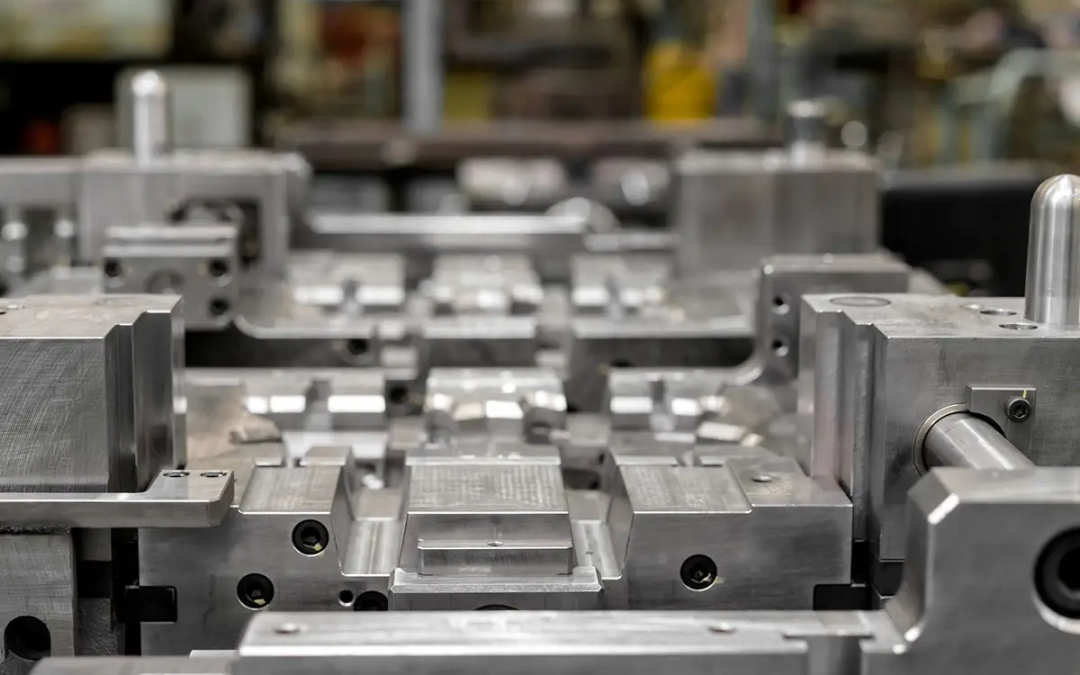
Injection mold design directly impacts part quality, production efficiency, and long-term tooling durability. Understanding mold design basics enables engineers to create manufacturable parts while avoiding costly revisions.
Draft Angles: Vertical surfaces require slight angles facilitating part release from mold cavities without surface damage. Textured surfaces demand increased draft proportional to texture depth. Engineers must balance aesthetic preferences for vertical walls against manufacturing realities demanding adequate draft.
Wall Thickness Uniformity: Maintaining consistent wall thickness throughout part geometry prevents defects including sink marks, warpage, and differential cooling rates causing dimensional instability. Thick sections cool more slowly than thin areas, creating internal stresses manifesting as warpage after ejection. Experienced injection molding service providers recommend transitioning gradually between different wall thicknesses.
Gate Location and Design: Gates introduce molten material into mold cavities, influencing fill patterns, weld line formation, and cosmetic appearance. Gate placement requires balancing optimal flow patterns against visible gate vestiges on finished parts. Hot runner systems eliminate gates on parts by maintaining material temperature in distribution manifolds, improving aesthetics while reducing material waste.
Casting vs Molding Cost: Economic Analysis Framework
Tooling Investment Considerations
Tooling costs represent the primary economic difference between injection molding and casting, fundamentally affecting process selection based on production volumes.
Steel injection molds for production applications represent substantial investments, though costs vary dramatically based on part complexity, cavity count, and tooling features. Simple single-cavity molds for basic geometries cost considerably less than multi-cavity tools with complex side actions, hot runners, and precision tolerances.
For lower volumes or prototype applications, aluminum tooling provides economical alternatives to hardened steel, accepting reduced tool life in exchange for lower initial cost and faster fabrication. Progressive injection molding company partners offer aluminum tooling strategies for market validation before committing to production steel tooling.
Per-Part Production Costs
Thermoplastic resins used in injection molding span wide price ranges from commodity polymers to exotic engineering thermoplastics. Commodity materials like polypropylene provide economical solutions for non-demanding applications, while specialty materials like PEEK cost substantially more.
Injection molding’s automated nature minimizes direct labor per part, with single operators often managing multiple machines producing thousands of parts daily. Cycle times typically range from seconds for small parts to minutes for large components, enabling high production rates.
Casting processes generally involve more manual operations including mold preparation, pouring, and finishing. Sand casting requires substantial labor for mold creation and breakdown, while investment casting’s multi-step process accumulates labor across pattern assembly and shell building.
Production Scaling: Volume Considerations
Production scaling represents a critical decision factor, with optimal process selection varying across volume ranges.
For initial prototypes and small pilot runs, casting processes particularly urethane casting and investment casting provide economical paths to functional parts without injection mold investment. Consumer electronics companies routinely produce initial prototypes through urethane casting, creating parts from CAD data within weeks.
For production volumes in intermediate ranges, aluminum or P20 steel bridge tooling provides viable solutions. These tools accommodate thousands to hundreds of thousands of cycles, enabling market validation and production ramp-up before committing to hardened steel production tooling.
Tooling Lead Times: Time-to-Market Implications
Tooling lead times significantly impact product launch schedules, requiring careful planning and realistic timeline expectations.
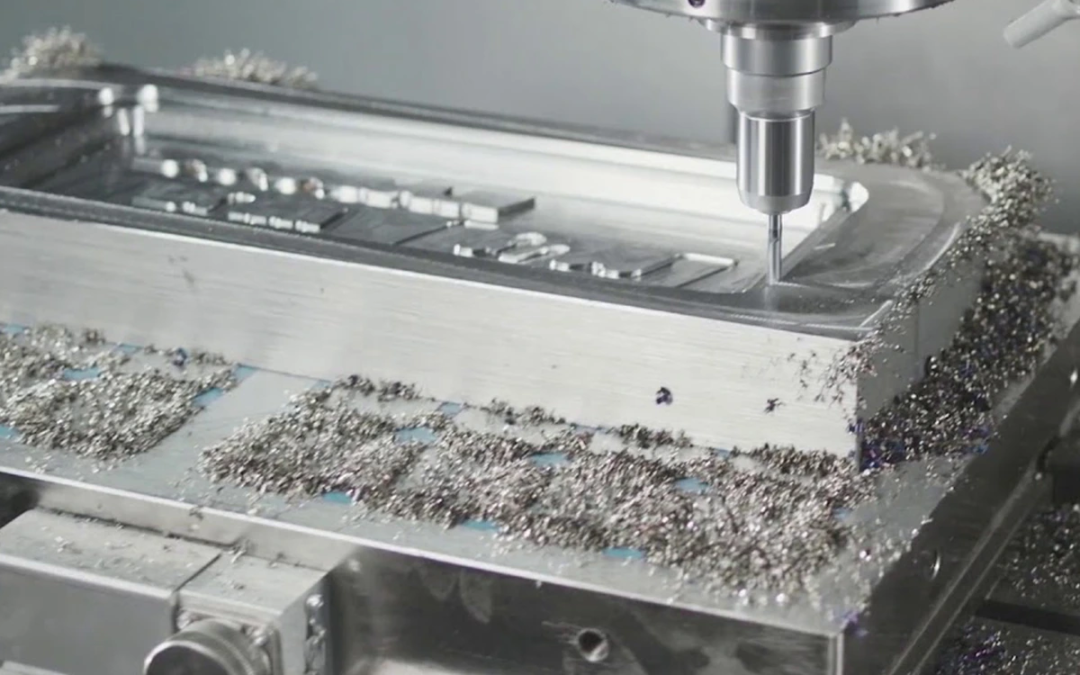
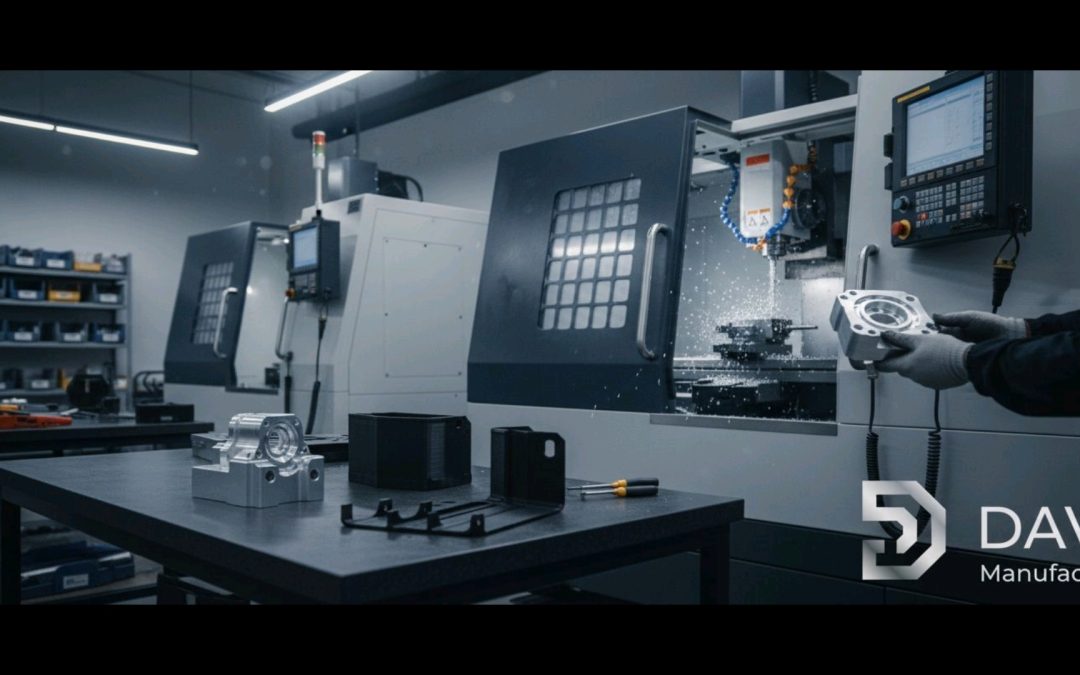
Conventional steel injection molds require substantial fabrication time spanning weeks to months depending on complexity. The process encompasses mold design, steel procurement, cnc cutting service operations for cavity creation, electrical discharge machining for complex geometries, heat treatment, polishing, and assembly.
Advanced planning proves essential, with experienced product developers initiating tooling fabrication well before anticipated production start dates. A North American medical device manufacturer learned this lesson when aggressive launch schedules compressed tooling timelines, resulting in inadequate mold validation time and costly revisions.
Material Selection: Matching Properties to Requirements
Thermoplastic Material Selection
Material selection in injection molding balances mechanical properties, environmental resistance, processing characteristics, and cost.
Commodity Thermoplastics including polyethylene, polypropylene, and polystyrene provide economical solutions for non-demanding applications including packaging and household goods. These materials offer good processability and adequate mechanical properties, though limited temperature resistance restricts use in engineering applications.
Engineering Thermoplastics including nylon, polycarbonate, and ABS provide enhanced mechanical properties, temperature resistance, and dimensional stability. These materials serve automotive, industrial equipment, and consumer durable applications requiring superior performance.
High-Performance Polymers including PEEK and liquid crystal polymers offer exceptional temperature resistance, chemical compatibility, and mechanical properties. Aerospace, medical device, and semiconductor industries employ these materials despite substantially higher costs.
Casting Alloy Selection
Metal casting accommodates diverse alloy families, each offering distinct property profiles.
Aluminum Alloys provide excellent strength-to-weight ratios, corrosion resistance, and thermal conductivity. Different alloy systems optimize for casting characteristics versus mechanical properties. Automotive and aerospace industries extensively employ aluminum castings for weight-critical applications.
Zinc Alloys enable die casting with excellent dimensional accuracy and smooth surfaces. The alloys’ low melting points enable economical production with extended die life. Consumer hardware and electronic housings frequently utilize zinc die casting.
Magnesium Alloys offer the lowest density among structural metals, enabling maximum weight reduction. However, higher material costs and processing challenges limit applications to weight-critical uses where benefits justify additional complexity.
Real-World Application Case Studies
A consumer electronics manufacturer developing a new product line initially specified die cast aluminum housings based on previous experience. However, evolving design requirements including complex internal geometries and integrated snap features prompted process revaluations.
Engineering analysis revealed injection molded polymer housings offered several advantages including complex internal rib structures optimizing strength-to-weight ratio, integrated assembly features eliminating separate fasteners, and lower tooling investment enabling multiple SKU variations.
The team developed hybrid construction employing injection molded structural housing with targeted metal inserts for thermal management and grounding. This approach combined injection molding’s geometric flexibility with strategic metal components addressing thermal requirements.
Conclusion
The question “is injection molding better than casting?” requires nuanced answers reflecting specific application requirements, production volumes, material needs, and economic constraints. Neither process is universally superior, but rather each excels where its advantages align with project requirements.
Injection molding provides unmatched precision, repeatability, and automation for high-volume plastic part production, with sophisticated mold design basics enabling complex geometries. The process’s capital-intensive nature makes it economically favorable at volumes supporting cost amortization.
Casting processes offer unique advantages including metal component production, large part capabilities, and flexible tooling options accommodating various production volumes. Understanding casting vs molding cost factors, including tooling investment and per-part manufacturing costs, enables informed economic analysis. For expert guidance on selecting the right process for your project, contact us today to discuss your requirements with our experienced team.
Frequently Asked Questions
- What production volumes justify injection molding versus casting processes?
Injection molding is cost-effective for thousands of units due to tooling amortization. Sand casting works from single prototypes to thousands, investment casting for hundreds to tens of thousands, and die casting for high volumes like injection molding. - How do tooling lead times differ between injection molding and casting?
Steel injection molds take weeks to months; aluminum prototypes are faster. Sand casting patterns take days to weeks, investment casting wax tooling weeks to months, and die casting timelines match injection molds. - What are the key mold design basics engineers should know?
Ensure proper draft angles, uniform wall thickness, correct parting line, and gate placement. Early review with injection molding partners avoids defects and improves manufacturability. - How should engineers approach material selection for polymers vs metals?
Consider mechanical properties, environmental exposure, and trade-offs: metals offer strength and durability; polymers provide flexibility, lower weight, and often lower cost. - What factors beyond piece price affect casting vs molding cost?
Evaluate tooling amortization, secondary operations, quality, scrap, design flexibility, supply chain, material costs, and testing requirements especially for regulated industries.